
Windrose Just Hit 1 Million Wishlists on a Demo. Skull and Bones Couldn't Do That With $200 Million.
I'm going to be honest with you. I wasn't planning on writing about another survival game this week. There are so many of them flooding Steam right now that it's genuinely hard to keep up. But then Windrose showed up. And the numbers coming out of this game's Steam Next Fest demo are the kind of numbers that make you sit up and pay attention.
Twenty-two thousand concurrent players. On a demo. Over a million wishlists. A 93% positive rating across thousands of reviews. And the game isn't even out yet. This isn't a AAA studio with a hundred million dollar marketing budget. This is a small indie team from Uzbekistan that decided to make a pirate game that people actually want to play. And here's the thing. They almost didn't.
From Free-to-Play MMO to the Pirate Game Players Have Been Waiting For
Windrose wasn't always Windrose. It started life as Crosswind, a free-to-play survival MMO with heavy PvP and live service elements. Sound familiar? It should. That's the exact template that has been failing spectacularly across the AAA space for years now. But here's where the story gets interesting.
After running an alpha playtest, the team at what was then called Crosswind Crew made a decision that most AAA publishers would never have the guts to make. They scrapped the free-to-play model entirely. They ditched the MMO structure. They pivoted to a premium buy-to-play survival game with co-op for up to four players, an offline mode, and a focus on PvE exploration and storytelling over PvP grinding.
Producer Philip Molodkovets explained it simply. His view was that making a high-quality survival game was more important than delivering a mediocre MMO. That's it. That's the philosophy. And it shouldn't be revolutionary, but in 2026, it kind of is.
The game and the studio both rebranded at the PC Gaming Show: Most Wanted showcase in December 2025. Crosswind became Windrose. Crosswind Crew became Windrose Crew. And the entire direction of the project changed from chasing the live service trend to just making something good.
That's crazy to me. A studio looked at the live service gold rush, looked at what was actually working, and said "No, we're going to make the game that players are asking for instead." And now they're sitting on over a million wishlists.
The Demo Numbers Are Absurd
Let me walk you through how fast this blew up.
The Windrose demo dropped on February 17th, a few days ahead of the official Steam Next Fest kickoff on the 23rd. Smart move. Give players time to find you before the flood of demos hits.
Within two days, the demo had already passed 6,000 concurrent players with a 94% positive rating from over 400 reviews. That alone would be a win for most indie games. But it didn't stop there.
The concurrent player count kept climbing. It hit 13,000. Then it passed 17,000. Then it peaked at over 22,000 concurrent players. On a demo. For a game that doesn't have a release date yet.
The demo itself offers four to six hours of gameplay, which is more content than some full AAA releases ship with these days. Players get access to the first three islands of the Archipelago, early quests, their first ship, naval combat, boarding actions, base building, and the game's soulslite combat system. And here's the kicker. There's no time limit on the demo. Play at your own pace.
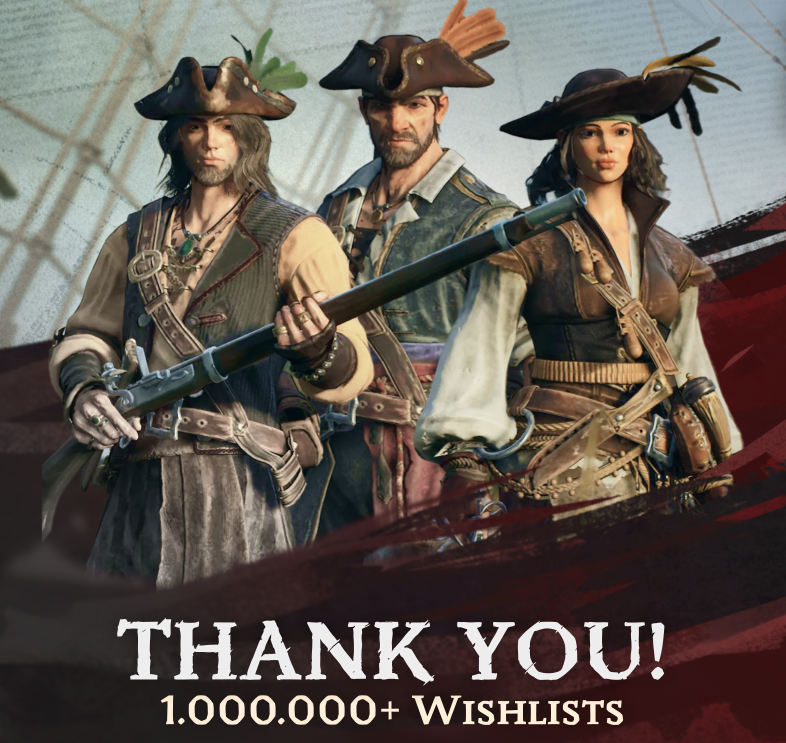
As of today, Windrose has officially crossed over one million Steam wishlists, putting it in the top 30 most anticipated titles on the entire platform. The development team put out a message that honestly made me smile. They said the past week had been a whirlwind and that their biggest goal is to just ship a great game and let players be the judge.
That tells you everything you need to know about the difference in mentality between these guys and the publishers pumping out live service disasters.
Players Are Already Calling It What Skull and Bones Should Have Been

And you know what makes this entire thing that much more insulting for the AAA side of the industry? Players aren't just praising Windrose on its own merits. They're actively comparing it to the biggest AAA pirate game of recent memory and saying the indie version is better.
Skull and Bones. Ubisoft's self-described "AAAA" pirate game. Ten years in development. A reported budget of at least $200 million, with some estimates putting the total investment somewhere between $650 and $850 million when you factor in the multiple complete reboots the game went through. Ubisoft CEO Yves Guillemot defended the $70 price tag by calling it a full quadruple-A experience.
And the result? The game couldn't even crack one million total players, including people who played the free eight-hour trial. On Steam, it peaked at just 2,615 concurrent players. Let me say that again. Skull and Bones, a game that cost somewhere north of $200 million and took a decade to make, peaked at 2,615 on Steam. Windrose, an indie game from a small studio in Uzbekistan that hasn't even launched yet, hit 22,000 on a free demo.
That's not a comparison. That's a verdict.
Even Ubisoft's own developers knew what was happening. One employee told Insider Gaming at the time that they all knew Skull and Bones was a $30-$40 game at best, but that the pricing wasn't in their control. That's the AAA machine in a nutshell. The people making the game know it's not worth the asking price, and the people setting the price don't care.
What Windrose Actually Gets Right
So what is it about Windrose that's resonating so hard with players? It comes back to two questions that I keep hammering on, because they're the only two questions that actually matter. Is it fun? Is it cool?
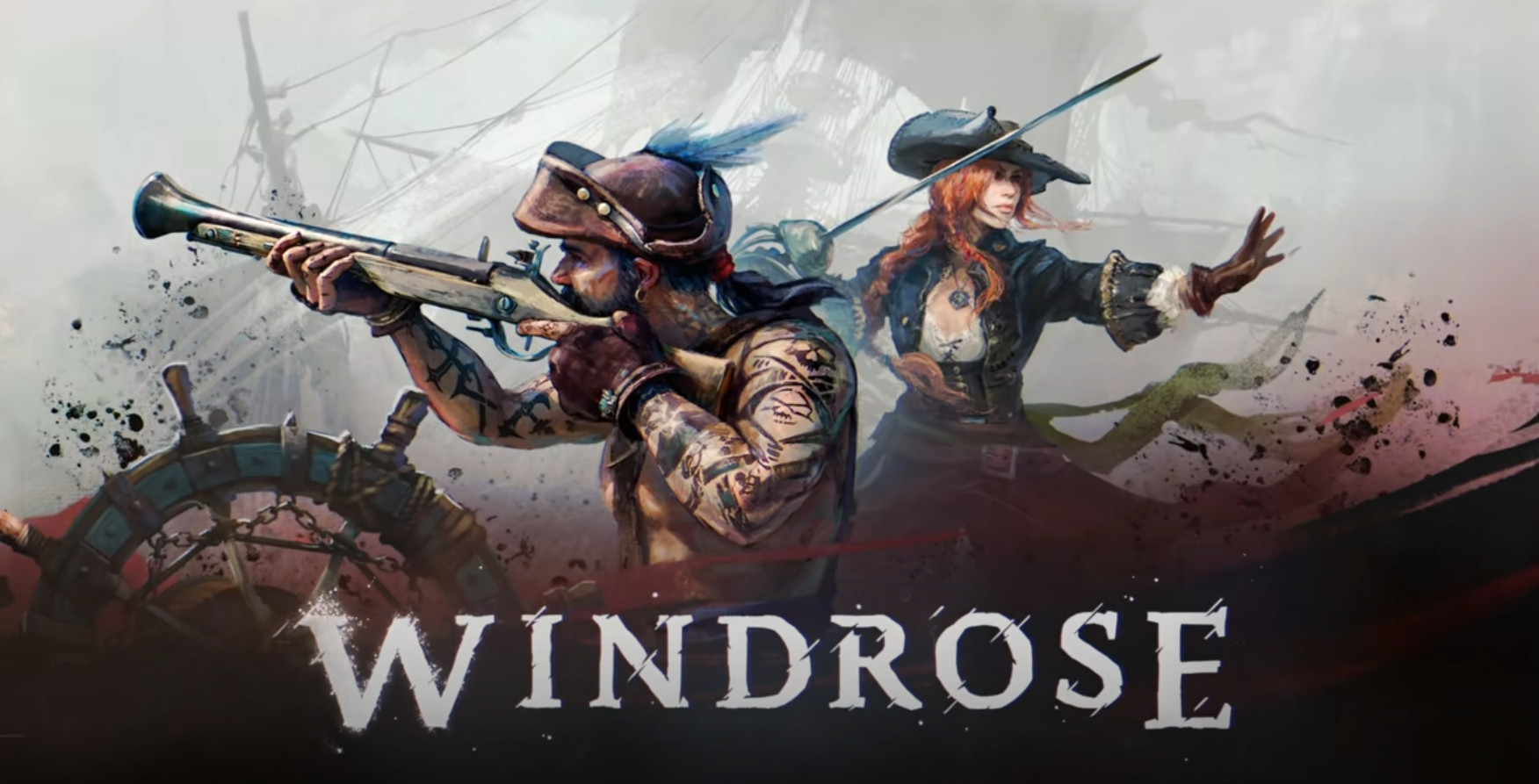
The sailing feels right. Naval combat in Windrose lets you trade cannon fire at range or close in for boarding actions with seamless transitions between ship and shore. You can customize your vessel from a nimble ketch to a versatile brig to a full-on monstrous frigate. The game actually lets you be a pirate captain, not just steer a boat around and watch numbers go up.
The combat has weight. Windrose uses what the developers call "soulslite" combat. Stamina-based attacks, parries, dodge rolls, and a variety of melee weapons and firearms including sabers, rapiers, halberds, greatswords, pistols, and muskets. It's not just button mashing. There's a skill element that makes every encounter feel like it matters.
The building system is genuinely impressive. Multiple Steam reviews specifically called out the building system as one of the best they've experienced in a non-voxel survival game. You can go from simple shelters to elaborate mansions and fully developed pirate forts, and the whole thing is intuitive enough that you're not fighting the UI to get what you want.
It respects your time. Four to six hours of demo content with no arbitrary playtime limits. Procedurally generated biomes so every run feels different. Progress carries over between worlds. Co-op for up to four players. Dedicated servers coming for Early Access. This is a game built around what players actually want from the experience, not what a monetization consultant thinks will maximize engagement metrics.
One Steam review that keeps getting shared around sums it up perfectly. The player said they were expecting something like Sea of Thieves but that Windrose was already turning out to be something far greater. Another player said they played over ten hours non-stop on just the demo. On a demo.
The Story Is Set in an Alternate History, and It Actually Sounds Cool
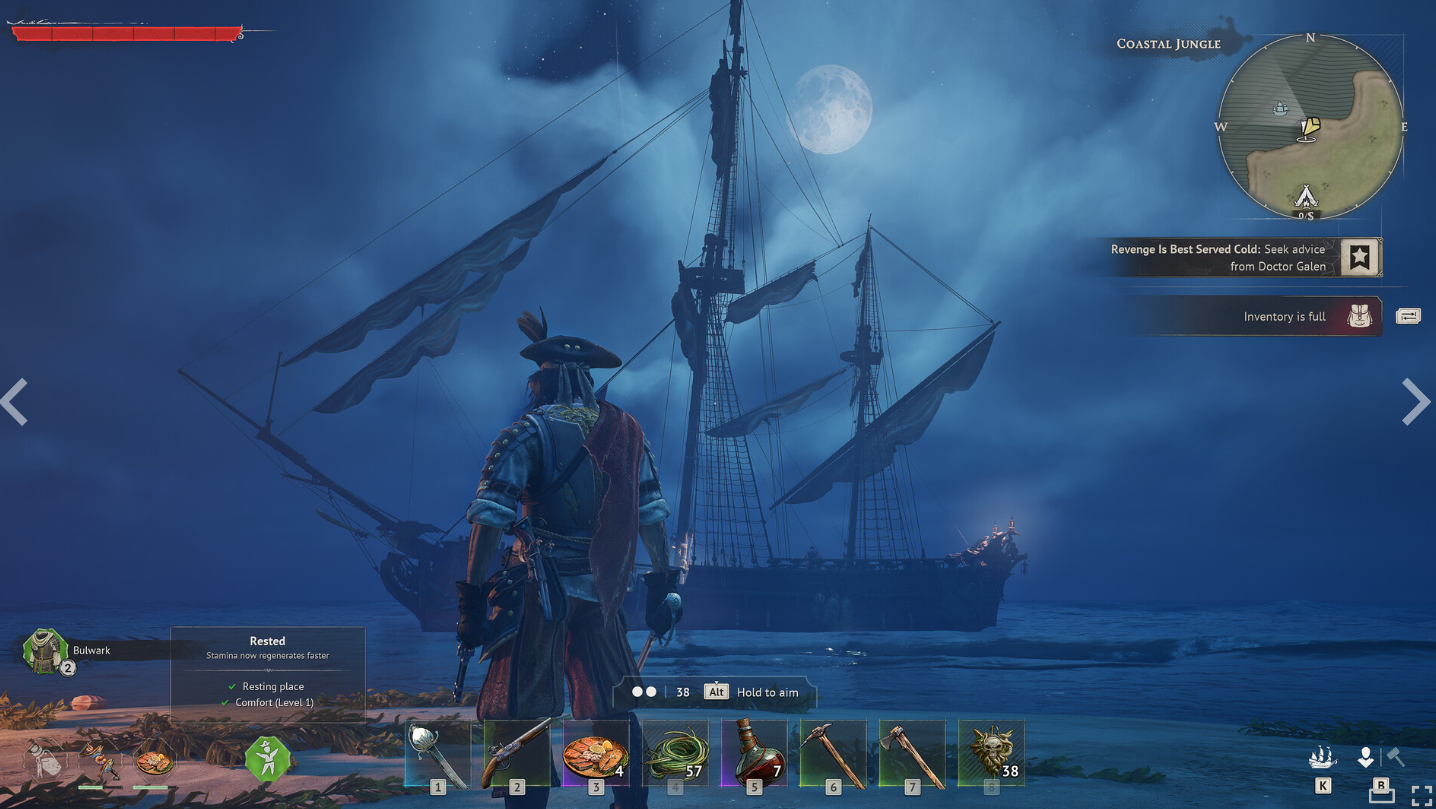
The narrative hook is that you're a captain who dares to challenge Blackbeard. But this isn't just a straight historical pirate game. Windrose is set in an alternate version of the Age of Piracy where Blackbeard has made a deal with dark, supernatural forces and now commands an undead fleet. The British Navy has been wiped out, and the last bastion of resistance is Tortuga.
It starts grounded, survival and revenge, and then opens up into this larger conflict between empires, pirate clans, and mysterious powers lurking on the horizon. That mix of historical pirate fantasy with supernatural elements is exactly the kind of creative vision that gets lost when a game has to go through seventeen layers of executive approval and market research validation.
This Is the Indie Playbook Working Exactly as It Should
Credit where credit's due. What Windrose Crew did here is textbook. They had a concept that wasn't working. They listened to their playtest feedback. They made a hard decision to pivot away from the trendy model and toward the one that would actually result in a better game. And then they delivered a demo that was so generous and so polished that it basically marketed itself.
No massive advertising spend. No celebrity endorsements. No "AAAA" branding. Just a good game that speaks for itself.
And that's the thing that keeps coming up over and over again in these indie success stories. The formula isn't complicated. Make something fun. Make it affordable. Respect the player's time and intelligence. Let the game do the talking.
Windrose Crew hasn't announced an exact release date yet, but they're targeting Early Access on Steam sometime in 2026. Based on what the demo is showing, this is absolutely one to keep on your radar. Wishlist it. Try the demo while it's still available during Steam Next Fest. And if you've been burned by every AAA pirate game that has promised you the world and delivered a puddle, this might be the one that finally gets it right.
The pendulum is swinging, and it's swinging hard. While the AAA side of the industry keeps chasing trends, burning billions, and blaming players when things don't work out, studios like Windrose Crew are just quietly making the games we actually want to play. And the numbers are starting to prove it.
We'll see how the full Early Access launch goes. But I wouldn't bet against these guys. Not with numbers like this.
Share this article
Comments

James Brooke
Founder & Editor
Gaming industry analyst and video editor covering gaming trends, indie games, and industry analysis.
About the author →Related Articles
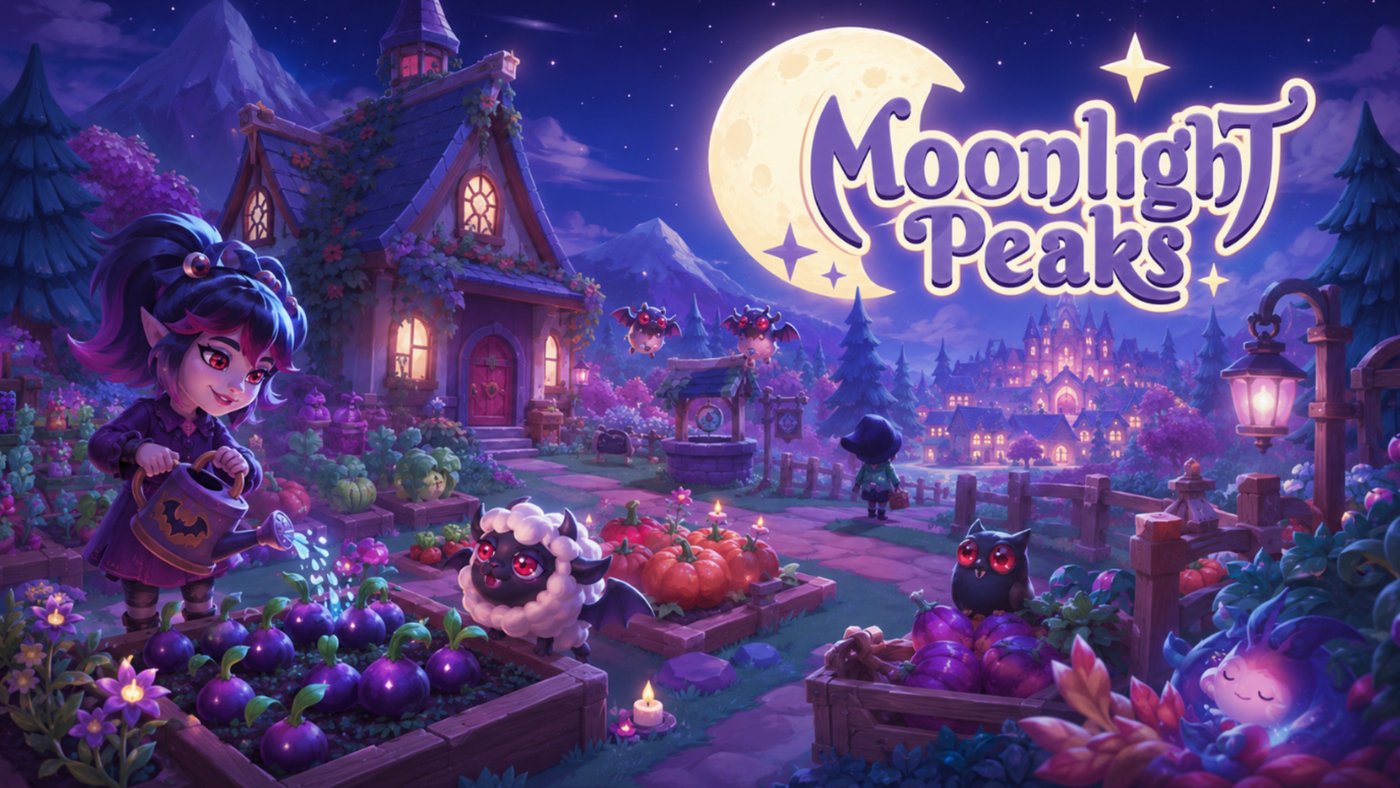
Moonlight Peaks Is a Vampire Farming Sim That Just Launched to 87% Positive on Steam. For $35.
You play as Dracula's kid who ran away from home to start a farm. You sleep in a coffin. You water crops with magic spells. 87% positive on Steam in two days. $34.99 and no nonsense.
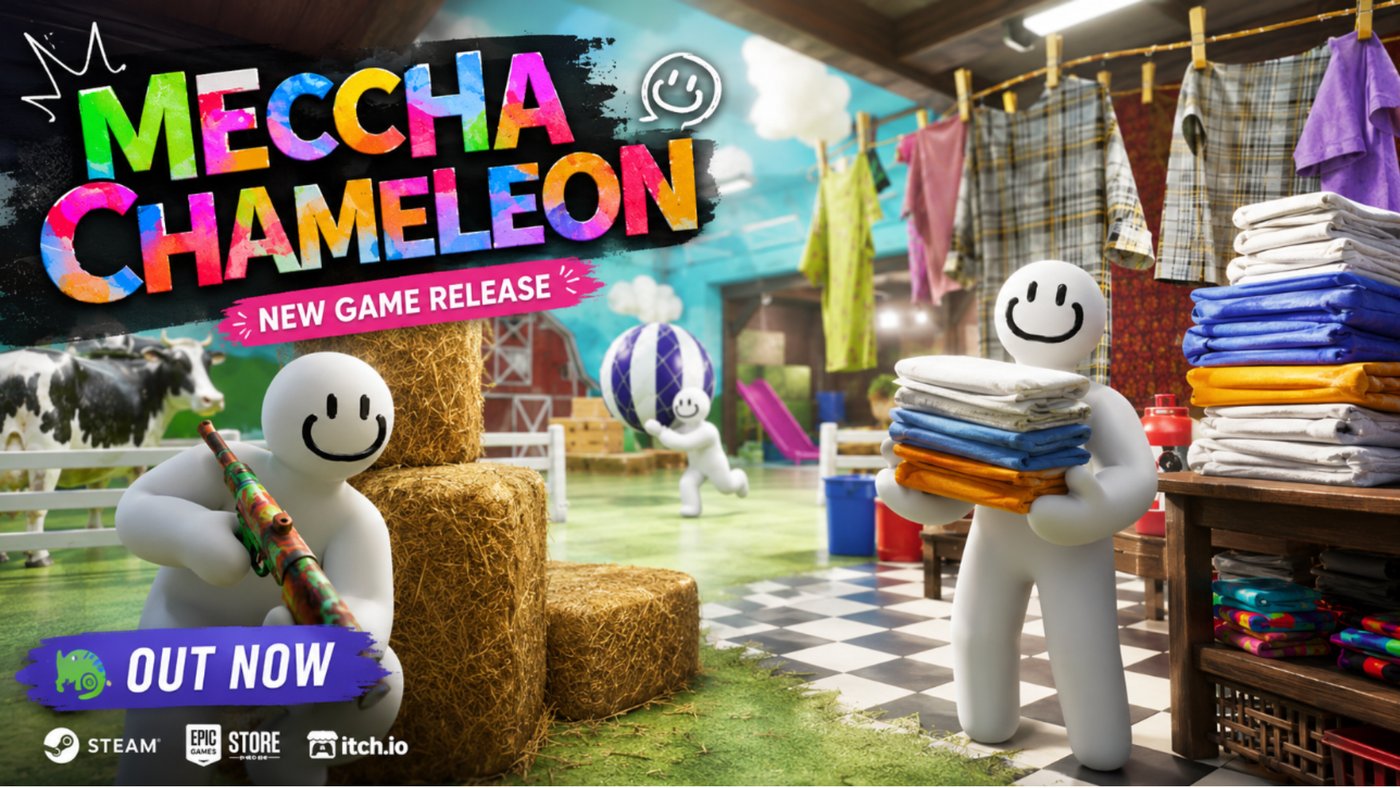
Meccha Chameleon Sold 2 Million Copies in a Week. It Costs Six Dollars. One Person Made It.
One developer. Six dollars. Two million copies in a week. 132K concurrent players. It outsold Forza and Final Fantasy on the Steam charts. A game about painting yourself to look like a wall.
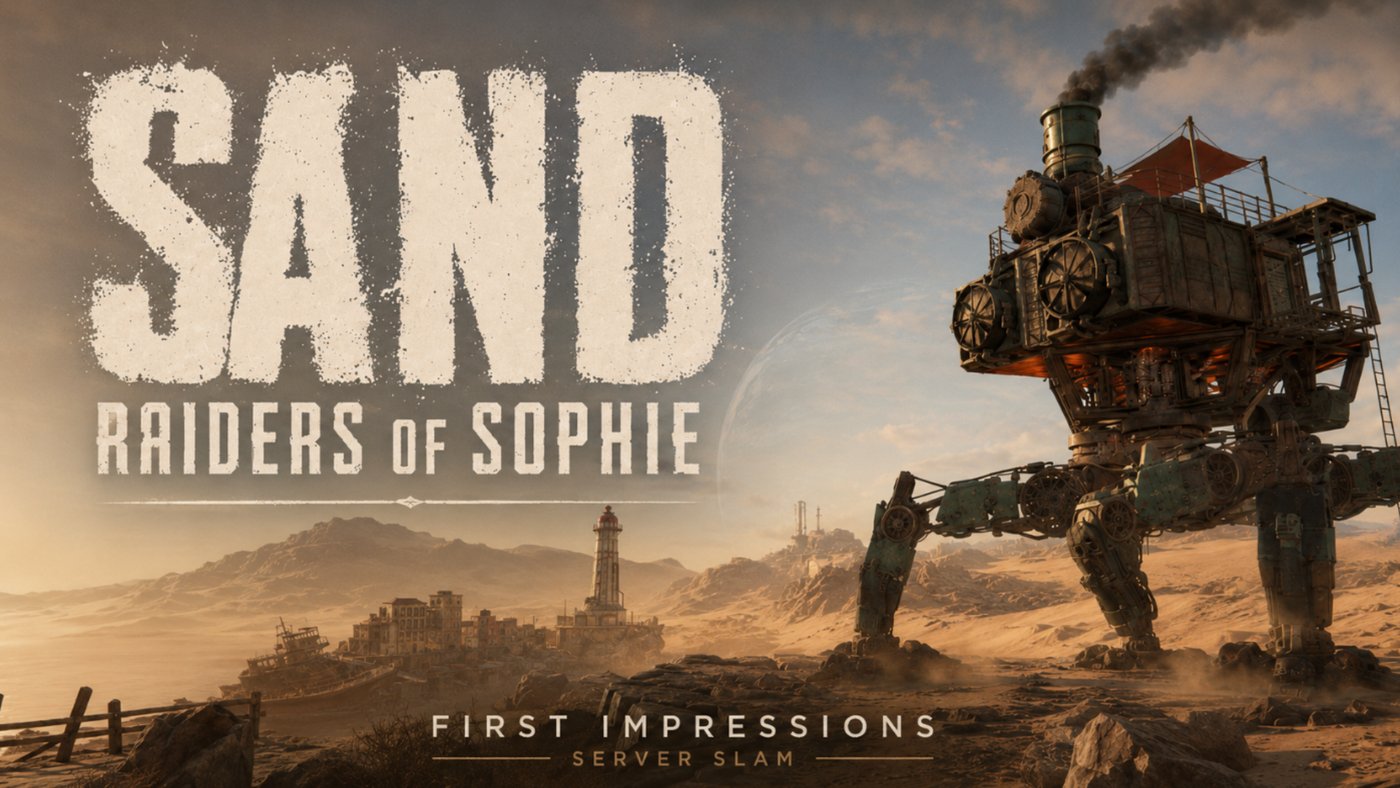
Sand Raiders of Sophie Playtest: I Played All Weekend. Here's Where It's At.
I've been following this game for over a year. Played the early alpha. The server slam this weekend was a completely different experience. When it worked it was fantastic. Here's where it's at.
You May Also Like
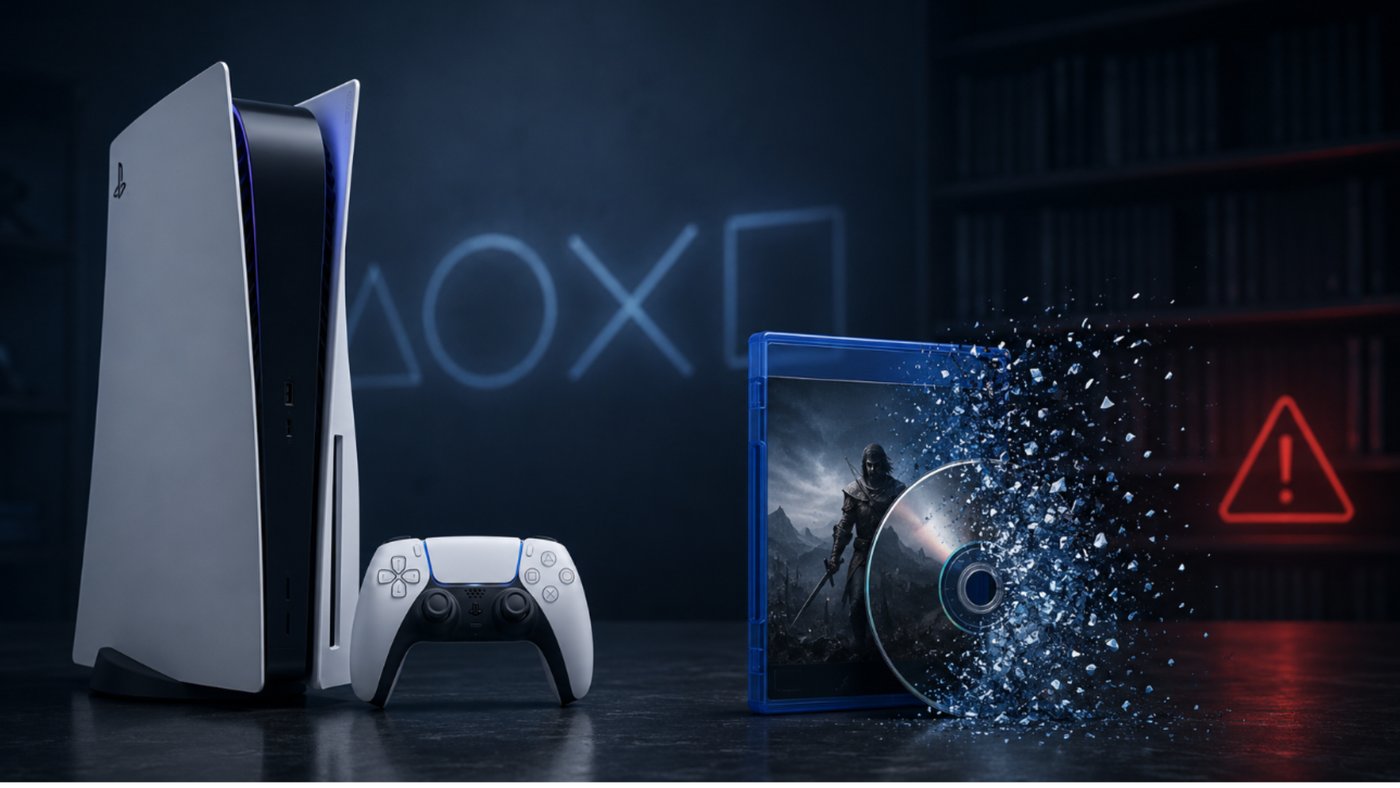
Sony Is Killing Physical Games. Their Own Studio Just Trolled Them About It.
170,000 signatures. Six days of silence. Dominoes making memes. And Insomniac publicly confirming Wolverine gets a real disc while the parent company kills the format. Sony's silence is the statement.
Hunger: The Extraction RPG That Might Finally Get It Right
The team that built Hell Let Loose is back with something completely different. Hunger is an extraction RPG set in Napoleonic Europe and from everything I've seen in the playtest it already looks ready for early access.
Latest Patch Notes in Gaming — Week of June 29 – July 5, 2026
Diablo IV launched its biggest season yet. Overwatch let the community redesign every hero. The Sims 4 overhauled autonomy. Nine games patched on a single day. Ten games total — here's every update.