
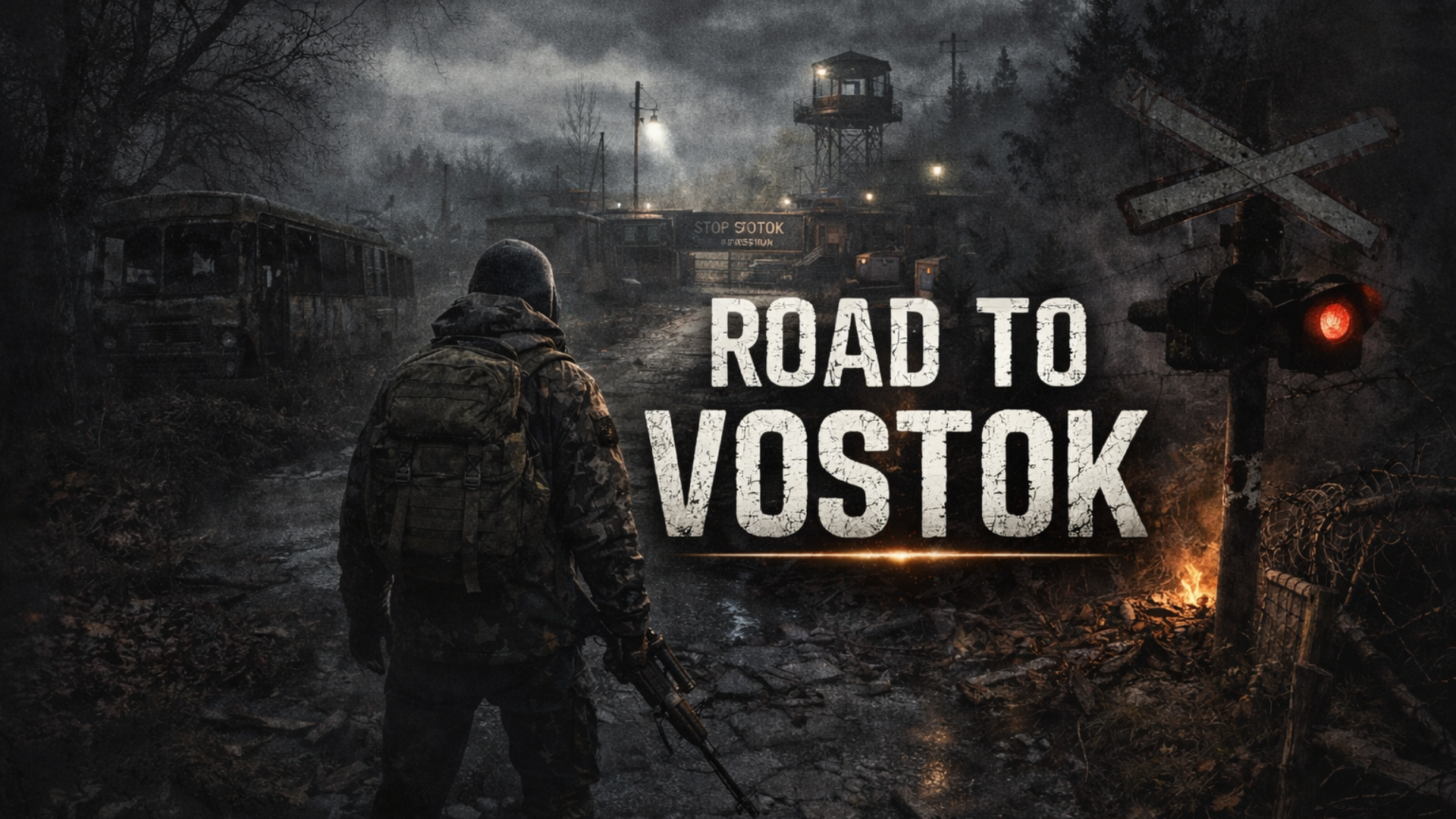
One Guy. No Publisher. No Multiplayer. $15. Road to Vostok Just Launched and It's Already Winning.
How do you explain this to a boardroom?
One developer. A former Finnish army lieutenant named Antti Leinonen. Working alone since June 2022. He built a hardcore single-player survival shooter set in a post-apocalyptic border zone between Finland and Russia. He released four free demos. He collected 800,000 demo players and over 3,000 bug reports before he ever asked anyone for a single dollar. He ported his entire game from Unity to Godot, a process that took 615 hours, because Unity's fee changes threatened his independence. He turned down every publisher contract that came his way.
And yesterday, Road to Vostok launched into Steam Early Access at $14.99 with a 25% launch discount. It hit over 5,000 concurrent players on day one. The Steam reviews are sitting at Very Positive.
That's crazy to me. And here's the thing. It shouldn't be.
This Is What "Selfishly Made" Looks Like
I talk a lot about the concept of games being "selfishly made." The idea that the best games come from developers building something they personally want to play, not something a focus group validated or a sales team greenlit. Zelda exists because Miyamoto wanted to bottle his childhood. Stardew Valley exists because ConcernedApe thought Harvest Moon kept getting worse. Road to Vostok exists because Antti wanted to play a hardcore survival game that respected the player enough to be a purely single-player experience.
And that decision alone tells you everything you need to know about the philosophy behind this game.
Look at the extraction shooter space right now. Look at how many studios have thrown hundreds of millions of dollars at multiplayer survival games and watched them collapse. Road to Vostok looked at that entire landscape and said, "No. I'm making this for one player. Me."
No PvP. No server infrastructure bleeding money. No battle passes. No live-service treadmill. Just a game.
I'm just going to say it. That is absurdly refreshing.
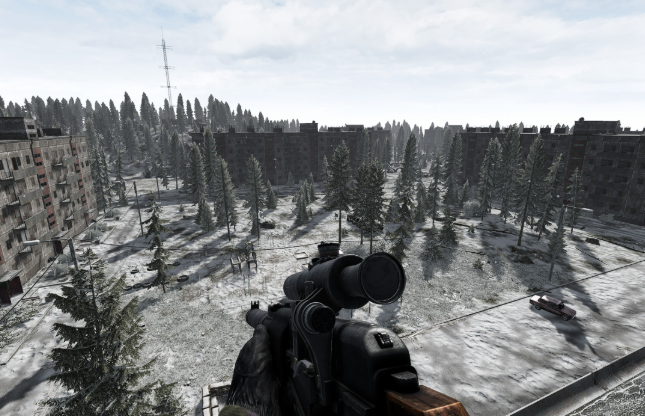
The Unity to Godot Story Is the Whole Point
If you've been following this project, you already know the engine story. But if you haven't, it's worth sitting with for a second.
In 2023, Unity tried to change its fee structure in a way that would have hit indie developers hard. Antti had been using Unity for over 11 years. Over 4,000 days of working with that software. And when Unity pulled that move, he made the call to port his entire game to the open-source Godot engine.
615 hours. That's how long the full port took. And when it was done, he said those hours were worth it because Godot gave him something Unity never could. Full control. No licensing surprises. No corporate entity that could change the rules on him mid-development.
He even went further than that. He's tweaked the Godot engine so heavily that he doesn't even consider it Godot anymore. He calls it the "Road to Vostok engine."
This is a guy who would rather spend 615 hours rebuilding his entire project than hand control of his work to a company that proved it couldn't be trusted. That's not stubbornness. That's conviction. And it's the same conviction that made him turn down every publisher deal.
That tells you everything you need to know.
The Price Is the Statement
Let's talk about the $14.99 launch price. Because in 2026, when AAA games are pushing $70 to $80 for experiences that launch broken and get abandoned within a year, a solo developer is charging you fifteen bucks for a game he's been building transparently for years.
And here's what makes it even better. One of the most talked-about Steam reviews right now isn't even about the gameplay. It's about the regional pricing. A player from a developing country wrote that they expected to pay double what the game actually cost. They saved up for two weeks and ended up spending half of what they budgeted. They called the pricing "incredibly reasonable" and specifically credited Antti for making the game accessible to players who would otherwise have to wait for a deep discount or resort to piracy.
Credit where credit's due. That's not just good pricing. That's a developer who actually thought about who his audience is and made sure they could afford to be part of it. While other publishers are squeezing every possible dollar out of every possible market, this guy is doing the opposite.
$14.99 during the launch window. $19.99 after that. No deluxe editions. No supporter packs. No season passes.
That's it. End of story.
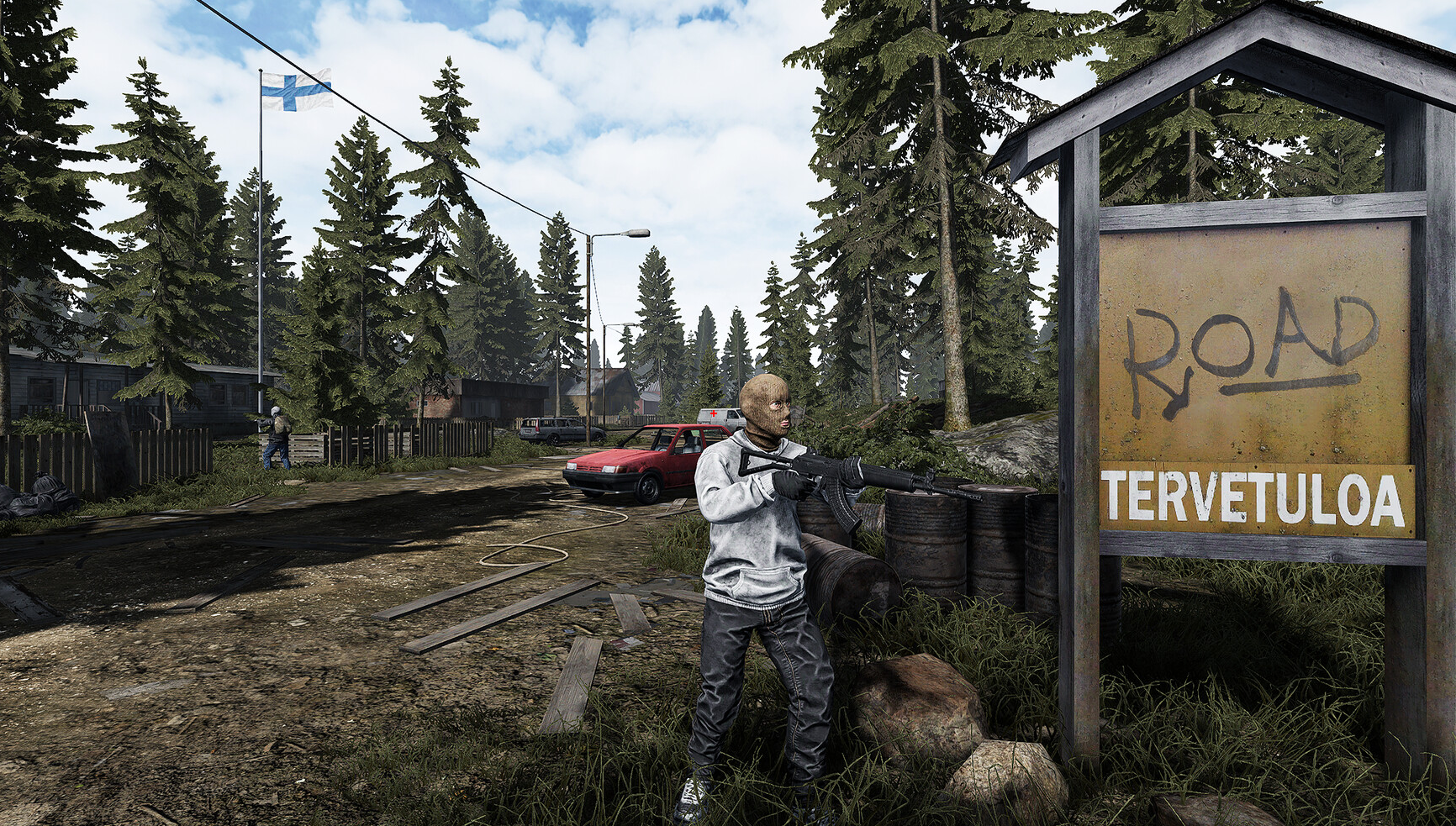
What You're Actually Getting
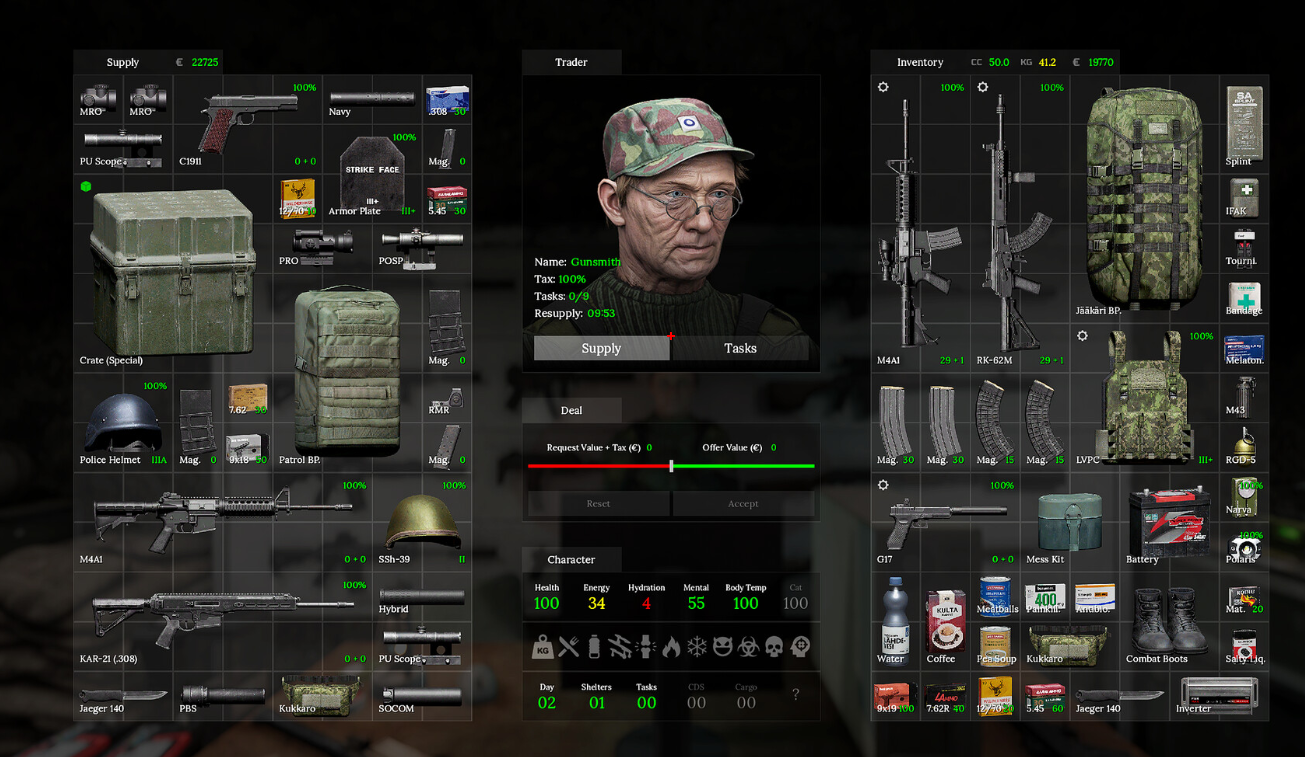
Road to Vostok is a hardcore single-player survival FPS set in a post-apocalyptic border zone between Finland and Russia. Your goal is to survive, scavenge, trade, and eventually work your way toward Vostok, a militarized zone deep in Russia where permadeath is real. You die in Vostok, you lose everything. Your character. Your gear. Your stashed loot. All of it.
The regular zones are punishing but fair. You lose your equipped gear on death, but your shelters and stashed items survive. Vostok is where the game stops being forgiving entirely. And here's the key. You don't have to go to Vostok. You can play the entire game as a sandbox survival experience, building up your shelters, managing your health systems, trading with NPCs, and never stepping foot in the permadeath zone. That's your call.
The Early Access build includes multiple map zones, dynamic world events, a full day-night cycle that runs on a 2 hour 40 minute real-time loop, a detailed health system with fractures, bleeding, dehydration, and temperature management, manual magazine loading, weapon customization, and an Ironman mode for the truly unhinged among us.
Is it perfect? No. It's Early Access. Some reviews mention the game being dark to the point of needing a flashlight you might not have yet. Others note that compared to games like STALKER Anomaly, the "hardcore" label doesn't quite hit as hard in its current state. That's fair. Antti has been transparent that this game is going to be in Early Access for two to four years. There's a roadmap. There are planned builds with specific feature milestones, including modding tools, bullet penetration systems, and new maps.
And to be honest with you, the fact that the community is giving constructive feedback instead of burning the place down tells you something about the trust this developer has earned. You don't get that trust from marketing. You get it from four demos, 35 devlog videos, and years of showing your work.
The Bigger Picture
I keep coming back to the same pattern. One developer. Small team. Clear vision. No publisher interference. Fair price. Transparent development. And the result is a game that launches stable, gets positive reviews, and builds a loyal community on day one.
Road to Vostok isn't the first game to prove this model works. But it might be one of the cleanest examples of it. Antti didn't just make a good game. He made every single decision in a way that prioritized his independence and his players over short-term profit.
He chose Godot over Unity because he wanted control. He chose single-player over multiplayer because it was the right scope for a solo developer. He chose $15 over $40 because he wanted the game to be accessible. He chose transparency over hype because he wanted trust.
And you know what makes this entire thing that much more interesting? He's doing this from Finland. As a solo developer. With part-time contractors helping occasionally. No venture capital. No publisher safety net. Just a guy making the game he wants to play.
While AAA studios with thousands of employees and budgets measured in hundreds of millions are laying people off, closing studios, and shipping broken products at premium prices, this one guy in Finland just quietly launched a $15 game that works.
We've seen this story before. And we're going to keep seeing it. Because the pendulum is swinging. And games like Road to Vostok are exactly why.
Here's to hoping Antti keeps doing exactly what he's been doing. Because so far, every single decision has been the right one.
Share this article
Comments
Related Articles
REPLACED: Eight Years, a War, and Zero Compromises
The game was finished. The reviews were positive. They delayed it anyway.
Best Indie Games Under $30 That Are Better Than $70 AAA Games in 2026
Slay the Spire 2 hit 574K concurrent players at $25. Schedule I has 98% positive reviews from one developer. Here's every indie game under $30 outperforming AAA in 2026.
The Isle Might Be Gaming's Wildest Comeback Story, and It's Happening Right Now
A decade of drama. A complete rebuild. A community that refused to quit. The Isle is growing again, and the numbers are wild.
You May Also Like
Eidos Montreal Spent Hundreds of Millions on a Game Nobody Will Ever Play. Then They Fired 124 People.
Seven years. Four game engines. Hundreds of millions of dollars. A Deus Ex sequel killed to fund it. Then Embracer canceled Wildlands and fired 124 people. Full breakdown with receipts.
Take-Two Told Investors It Was "All In" on AI. Then It Fired the Entire AI Team.
In February, Take-Two's CEO called AI central to the company's strategy. In April, the entire AI team was laid off. Eight months before GTA 6. After an "outstanding" $1.76 billion quarter. The receipts don't lie.
Mortal Shell 2 Looks Incredible. And It's Being Made by 30 People.
Cold Symmetry left AAA in 2017 with four developers. Mortal Shell sold 2 million copies. Now Mortal Shell 2 has 60+ handcrafted dungeons, an open world, firearms, and a team of 30. This is how indie gets it right.