
Take-Two Told Investors It Was "All In" on AI. Then It Fired the Entire AI Team.
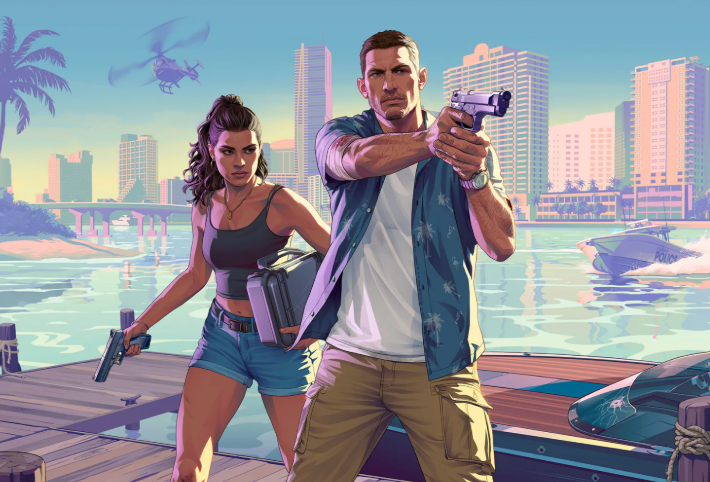
How do you go from "generative AI squarely falls within the category of innovation" to laying off your Head of AI and his entire department in less than two months?
I just don't get it, man.
On April 2, Luke Dicken, Take-Two Interactive's Head of AI, posted on LinkedIn that his time with the company, and the time of his team, had "come to an end." He didn't mince words. He didn't sugarcoat it. He just asked people to help his former colleagues find new jobs.
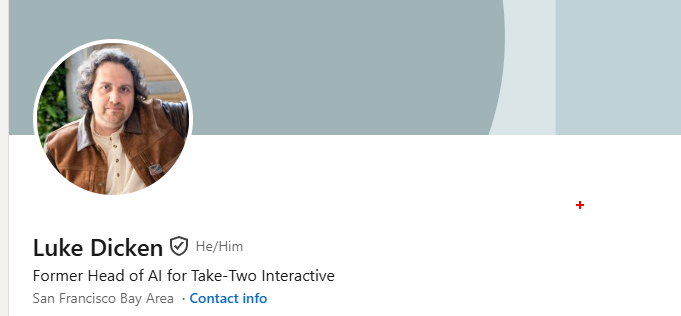
"We've been developing cutting edge technology to support game development now for 7 years," Dicken wrote. "These folks know how to match innovation and novel problem solving approaches with strong product design chops to create systems that empower people throughout the development workflow."
Seven years. That's how long these people spent building AI tools for game development across Zynga and Take-Two. And just like that, gone.
At least four other team members have posted similar announcements on LinkedIn. The director of AI research. The senior manager of SRE. Two senior data scientists. One of them wrote simply, "My team was recently laid off." Take-Two's senior director of AI development was even more direct, saying the layoffs came from "shifting priorities from upper management."
Take-Two declined to comment.
The Receipts
Here's where this gets really interesting. Because the timing of these layoffs against Take-Two CEO Strauss Zelnick's own public statements is something else entirely.
February 2026. Earnings call. Zelnick tells investors that Take-Two is "actively embracing" generative AI to "drive efficiencies" and "reduce costs." His exact words: "Just a reminder, our strategy has three parts: be the most creative, be the most innovative and be the most efficient company in the entertainment business. And generative AI squarely falls within the category of innovation and is already moving into the category of efficiency."
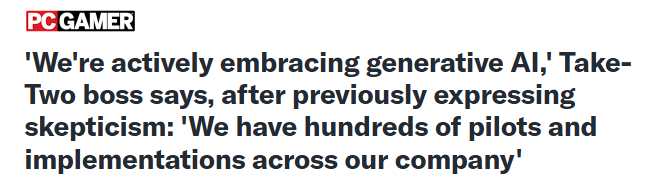
That was less than two months before he laid off the people responsible for making that happen.
And here's the thing. This isn't even the first time Zelnick has talked out of both sides of his mouth on AI. He's told investors that the company is running "hundreds of pilots and implementations" across teams. But in other public appearances, he's called AI an "oxymoron" and said the technology could never create a game like Grand Theft Auto.
So which is it? Is AI a core part of your innovation strategy that you're actively embracing? Or is it an oxymoron that can't do what human developers do? Because you can't fire your AI team and claim both of those positions at the same time.
Come on, guy.
The Context Makes It Worse
Let me add some context that makes this whole thing even harder to understand.
Take-Two just reported what it called an "outstanding" quarter. $1.76 billion in net bookings. Zynga's Toon Blast crossed $3 billion in lifetime net bookings. The company is not struggling financially.
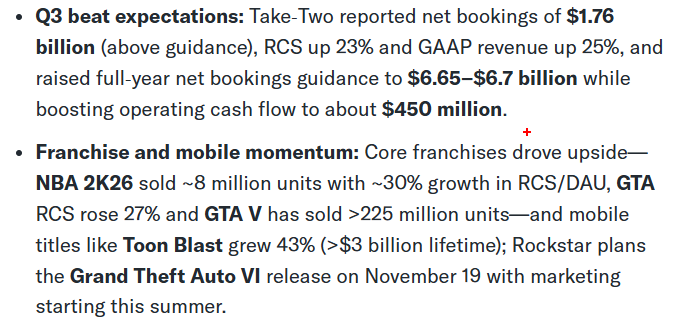
And GTA 6 launches on November 19. That's eight months from now. This is the biggest entertainment release in a generation. Zelnick himself called the upcoming fiscal year "groundbreaking" and "potentially the most significant in Take-Two's history."
So the company is profitable. The biggest game in the world is about to drop. And this is the moment they chose to gut the AI team? The team that spent seven years building tools to support game development?
If AI wasn't delivering value, fine. That's a business decision. But then stop telling investors you're "all in." Stop claiming AI is central to your innovation strategy. Stop running earnings calls where you tout generative AI as a competitive advantage while quietly planning to lay off the people doing the work.
That is just insane to me.
Shifting Priorities
The most revealing detail in all of this comes from Take-Two's senior director of AI development. In his LinkedIn post, he wrote that the layoffs resulted from "shifting priorities from upper management."
That tells you everything you need to know. This wasn't about AI not working. This wasn't about the technology failing to deliver. This was about executives changing their minds.
Seven years of work. An entire department of specialized professionals. Tools built, research conducted, systems designed. And then upper management shifts its priorities and all of that gets wiped out.
This is what happens when a company treats technology strategy like a trend cycle. You invest when AI is the hot topic on every earnings call. You pull back when the narrative shifts or when someone in the C-suite reads a headline that makes them nervous. And the people who actually built the stuff are the ones who pay for the whiplash.
Take-Two's own stock took a hit last month when investors started worrying that Google's Genie AI tool might let anyone make world-class games without massive studios. President Karl Slatoff had to go on the record saying "Genie is not a game engine" and that it shouldn't be compared to traditional game development tools.
So in the span of a few weeks, Take-Two had to calm investors who were afraid AI would disrupt the company, then laid off the team that was supposed to be their answer to that disruption. I'm just going to say it. If you're making strategic decisions based on whichever direction the wind is blowing this quarter, you don't have a strategy.
The Bigger Pattern
Take-Two isn't the only company doing this. The gaming industry's relationship with AI has been schizophrenic for the past two years. Executives hype it to investors. Players push back against it. Developers get caught in the middle. And the people actually building the tools keep getting whipsawed between "this is the future" and "actually, never mind."
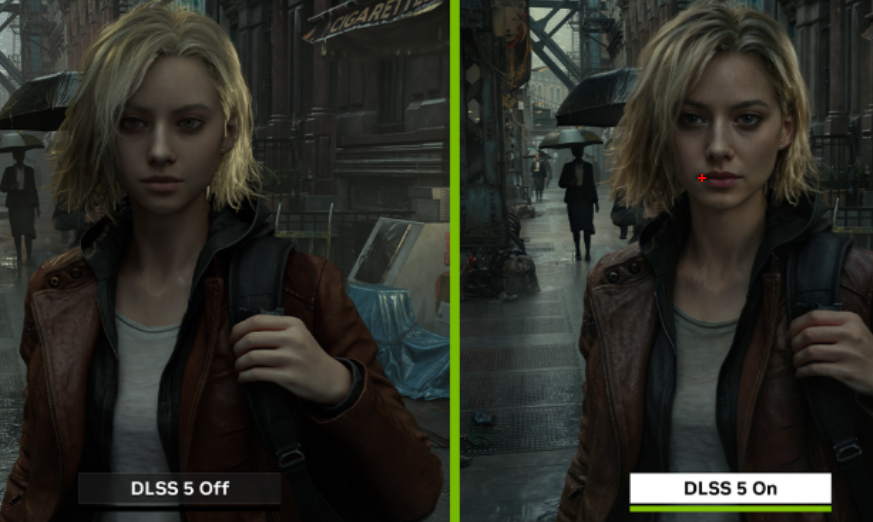
This is the same industry where studios are shipping AI-generated assets without disclosure, apologizing when they get caught, and then doing it again at the next studio. The same industry where Krafton's CEO took advice from ChatGPT to try to cheat his business partners. The same industry where NVIDIA blindsided developers with DLSS 5 demos their executives approved without telling them.
There is no coherent AI strategy in gaming right now. There's just a bunch of executives reacting to whatever the last headline was.
What Actually Happened Here
Let me tell you what I think happened. Take-Two built an AI team because it was the smart thing to talk about in 2023 and 2024. Every tech company was doing it. Investors wanted to hear it. The AI team existed at least partly because having one looked good on an earnings call.
And now, as the narrative around AI in gaming has gotten more complicated, as players push back harder, as the cost-to-value equation gets scrutinized, as the PR risk of being associated with AI increases, the team became expendable.
These people didn't stop being good at their jobs. The technology didn't stop being useful. Upper management just decided it wasn't worth the complexity anymore. And seven years of work walked out the door.
That's the part that should make everyone in the industry pay attention. It doesn't matter how long you've been building something. It doesn't matter how much value you've created. If executive priorities shift, you're out. We see you. We know what you are. You're not fooling anybody.
The Human Part
I've been covering layoffs on this site for weeks now. Sony closing studios. Epic firing a thousand people. Bluepoint gone. Dark Outlaw gone. And now Take-Two cutting an entire specialized department.
At some point, we have to stop treating each of these stories as an isolated incident and recognize the pattern. These aren't tough business decisions being made by leaders who agonized over them. These are reactive moves by executives who are managing stock price, not people.
Luke Dicken spent a decade building AI capabilities at Zynga and Take-Two. His team spent years creating tools that were supposed to be the future of game development at one of the biggest publishers in the world. And now he's on LinkedIn asking people to help his colleagues find work.
There's a version of this story where Take-Two communicates honestly with investors. Where Zelnick says "we're evaluating our AI strategy" instead of "we're all in." Where the team gets transitioned instead of eliminated. Where seven years of institutional knowledge doesn't vanish overnight.
But that would require these guys to treat their employees like people instead of line items. And at this point, I just don't see that being the case. I really don't.
Share this article
Comments
Related Articles
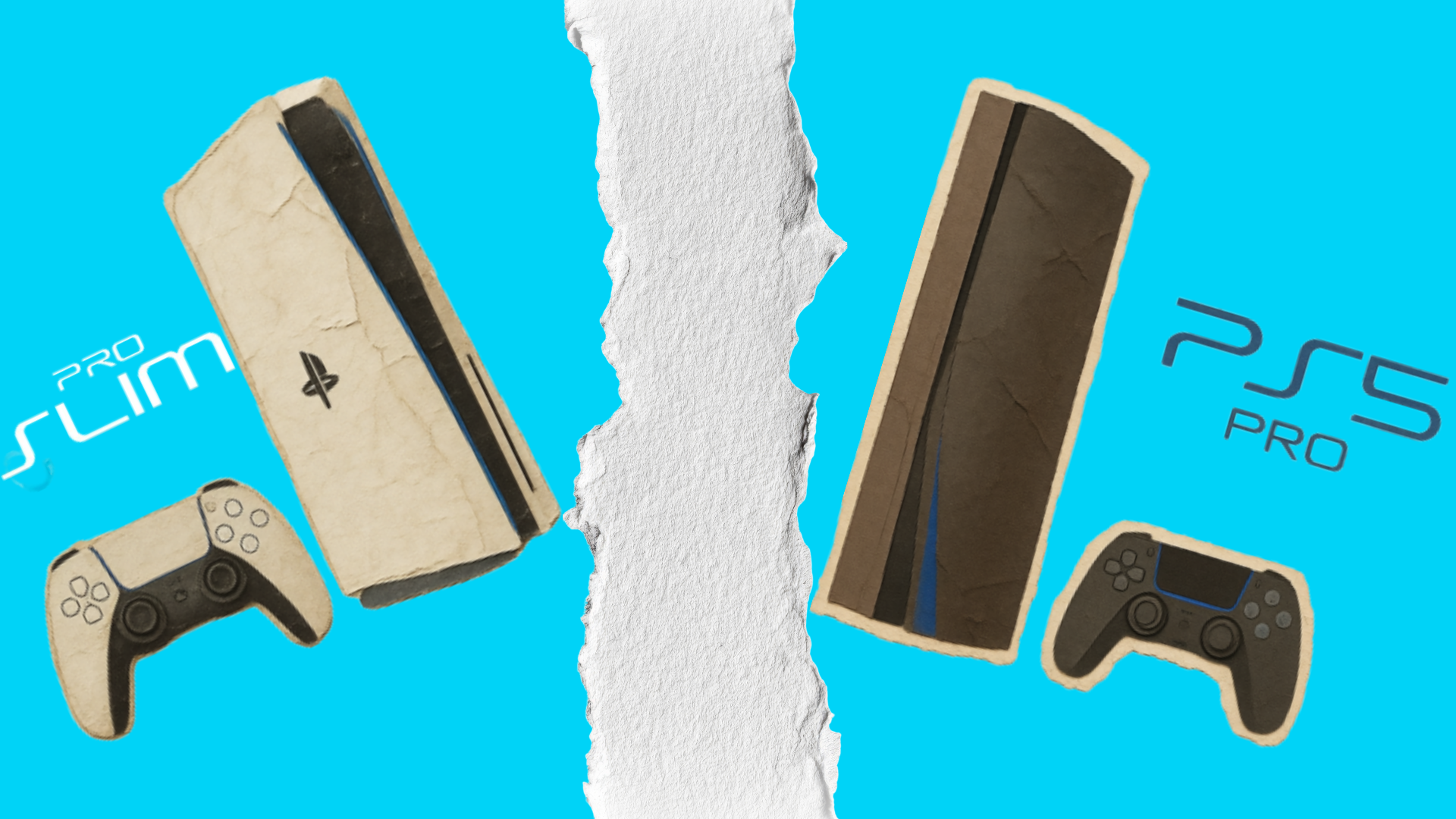
Sony Is Charging You More for a Console It Can't Even Sell You On
The PS5 Pro is now $899. Sony has closed 8 studios since launch. Marathon is already dropping. Here's the full breakdown of why this price hike is indefensible.
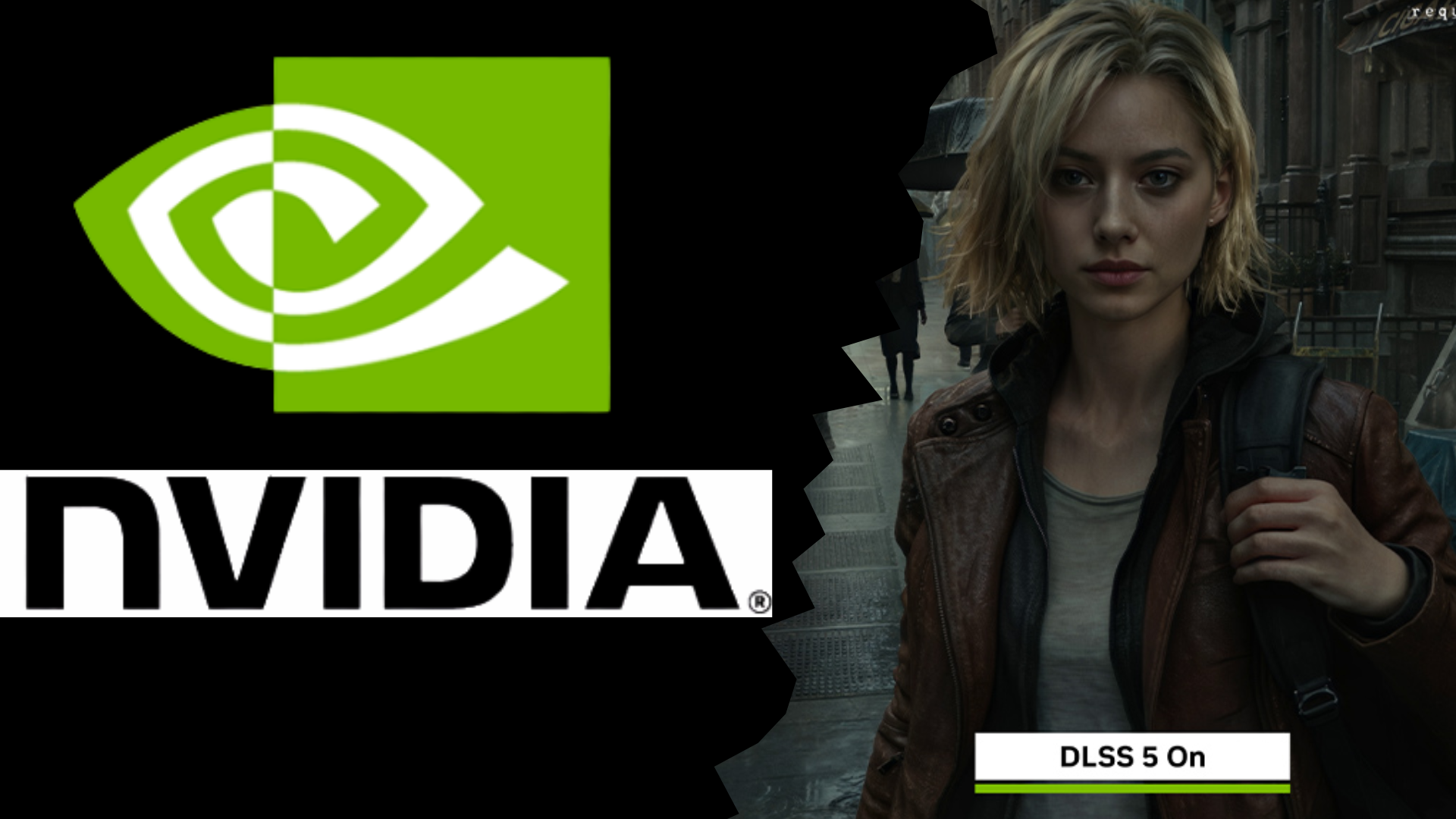
NVIDIA's DLSS 5 Controversy Isn't About the Tech. It's About Who Gets to Decide What Your Games Look Like.
Capcom and Ubisoft developers were blindsided by NVIDIA's DLSS 5 demo. Their executives approved it without telling them. Full breakdown at EarlyMeta.
Krafton's CEO Used ChatGPT to Scheme His Way Out of a $250 Million Payout. A Judge Just Destroyed Him.
The PUBG maker's CEO ignored his own legal team, took advice from ChatGPT, built a secret task force called "Project X," and tried to cheat Subnautica's creators out of $250 million. A Delaware court just shut it all down.
You May Also Like
REPLACED: Eight Years, a War, and Zero Compromises
The game was finished. The reviews were positive. They delayed it anyway.
One Guy. No Publisher. No Multiplayer. $15. Road to Vostok Just Launched and It's Already Winning.
A solo Finnish developer turned down every publisher, ported his game from Unity to Godot in 615 hours, released four free demos, and just launched a $15 hardcore survival game to 5,000+ day-one players and Very Positive Steam reviews. Full breakdown at EarlyMeta.
Eidos Montreal Spent Hundreds of Millions on a Game Nobody Will Ever Play. Then They Fired 124 People.
Seven years. Four game engines. Hundreds of millions of dollars. A Deus Ex sequel killed to fund it. Then Embracer canceled Wildlands and fired 124 people. Full breakdown with receipts.