
Phil Spencer Is Out and Xbox Just Handed the Keys to an AI Executive
Where do I even begin with this one?
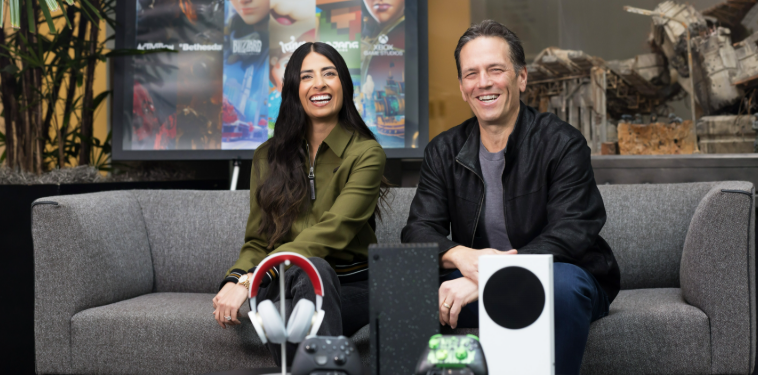
On Friday, February 20th, Phil Spencer announced his retirement after 38 years at Microsoft. The man who has been the face of Xbox for over a decade is done. And that alone would have been enough to send shockwaves through the entire gaming world.
But that's not all that happened. Sarah Bond, the president of Xbox and the person everyone assumed would succeed Spencer, also resigned. Same day. And in their place? Asha Sharma. The president of Microsoft's CoreAI division. A former COO of Instacart. A former VP at Meta. A person with zero experience in the video game industry.
That tells you everything you need to know about where Microsoft's head is at right now.
The Spencer Legacy Is Complicated
Credit where credit's due. Phil Spencer genuinely cared about gaming. He brought back backward compatibility. He championed Game Pass. He pushed cross-play. He led the $69 billion Activision Blizzard acquisition. For a while there, it felt like Xbox was heading in the right direction.
But the Spencer era also gave us thousands of layoffs, studio closures that made no creative sense, and a console generation that never found its footing. Xbox Series X/S sold roughly 34 million units while PlayStation 5 cleared 84 million. Hardware revenue dropped 32% in the holiday quarter. Content and services revenue fell 5%. Overall gaming revenue dropped 9%, coming in $623 million below the prior year. Microsoft's own CFO called it "below expectations."
And this is the same leadership that closed Tango Gameworks, the studio that made Hi-Fi Rush, a game Xbox's own marketing VP called a "breakout hit." They closed Arkane Austin, the studio behind Prey. Spencer defended these closures by saying he had to "run a sustainable business." But you can't spend $69 billion acquiring studios and then close them a couple years later and call it sustainability. That's not a strategy. That's cleanup after a spending spree.
Sarah Bond Walking Away Is the Part Nobody Expected
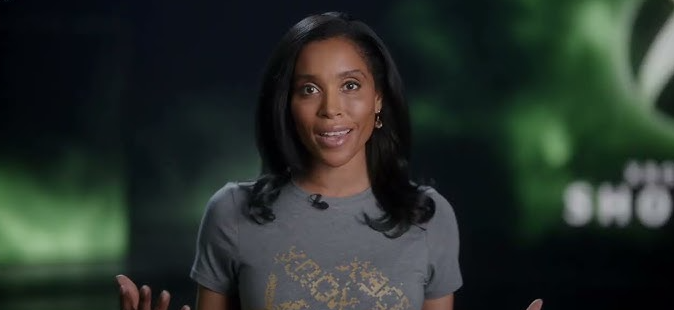
Bond was the heir apparent. She shaped Xbox's platform strategy, expanded Game Pass, navigated the Activision integration. She was the succession plan.
In her LinkedIn statement, she said she'd completed the commitment she made four years ago to help lead Xbox through the Activision transition. Maybe that's true. But you don't lose both the CEO and the presumed successor on the same day without people asking questions.
I'm not going to pretend I know what happened behind closed doors. But when the person everyone expected to take over instead walks out the door, that's not a smooth transition. That's a sign that whoever is coming in is bringing a different vision entirely.
The Pepsi Guy at Apple Problem
And here's where we get to the core of this whole thing.
Look, I'll be honest with you. I don't know Asha Sharma personally. I have no doubt she's talented. Her resume is impressive. She ran messaging platforms at Meta that reached billions of users. She helped push Instacart to profitability. She's on the board of Home Depot. She ran Microsoft's CoreAI product division.
But none of that is gaming. And I'm going to say that again as clearly as possible. None of that is gaming.
This is the Pepsi executive at Apple situation. In 1983, Apple brought in John Sculley, the president of Pepsi, to run the company. The idea was that his consumer marketing expertise would translate to technology. It didn't. Sculley eventually forced out Steve Jobs and nearly ran Apple into the ground.
I'm not saying Sharma is going to crash Xbox into a wall. I genuinely hope she doesn't. But the pattern is impossible to ignore. When you take someone whose entire career has been in AI, grocery delivery operations, and social media, and you hand them one of the three biggest gaming brands on the planet, you're betting that gaming doesn't need gaming people at the top.
And I just don't agree with that.
She's Saying the Right Things. That's Not Enough.

To her credit, Sharma's first statements are almost perfectly crafted. Three commitments. Great games. The return of Xbox. The future of play. She told Variety that great games have "deep emotional resonance" and "a distinct point of view." She cited Firewatch as a game that moved her. She said she has "no tolerance for bad AI" and that "games are and always will be art, crafted by humans."
That's all the right language. Every word of it.
But saying the right things and understanding them in your bones are two very different animals. The gaming community has been burned too many times. They've heard the promises. They've watched the studio closures. They've sat through the price hikes. Saying "great games" as your priority is easy. Building the culture, creative freedom, and long-term investment strategy that actually produces them? That requires someone who understands gaming not as a platform to be optimized, but as a creative medium that lives and dies on trust.
Matt Booty's promotion to Chief Content Officer is the one part of this that makes sense. He's been in gaming for years, worked at Rare, overseen nearly 40 Xbox studios. But here's the thing. In this structure, the gaming content person reports to the platform operator. Not the other way around. When decisions come down to creative investment versus operational efficiency, the person making the final call is the one whose entire career has been about operational efficiency.
And in gaming, that has historically been a recipe for exactly the kind of decisions that got Xbox into this mess.
Why Microsoft Made This Call
If you're wondering why Microsoft put an AI executive in charge of gaming, the numbers explain it.
Xbox gaming revenue was $5.96 billion last quarter. Microsoft's Intelligent Cloud business did $32.9 billion in the same period. More than double the entire division Xbox sits inside. AI revenue is surging. Gaming revenue is shrinking. And Satya Nadella, a CEO who has always been clear that Microsoft's future is cloud and AI, looked at those numbers and made his call.
This isn't about what's best for gaming. This is about what's best for Microsoft. They see gaming as a platform to be integrated into their broader AI and cloud strategy. Not as a creative business that needs a creative leader.
That's the real story. That's what nobody at Microsoft is going to say out loud.
I Hope She Proves Everyone Wrong
I want to be clear. This is not personal. I'm sure Asha Sharma is brilliant at what she does. Gaming has surprised us before, and the community can be wrong about its initial reactions.
So I genuinely hope she walks in, listens to the developers, empowers Matt Booty and the studios, makes the right long-term investments, and delivers the kind of lineup that makes Xbox feel essential again. I hope in two years we're all writing articles about how wrong we were.
But right now? Based on the track record of putting non-gaming executives in charge of gaming companies? Being skeptical isn't cynicism. It's pattern recognition.
Gaming needs gaming people. People with the finger on the pulse of what works and what doesn't. People who don't need to be told that closing the studio that made Hi-Fi Rush was a mistake. People who know it in their gut because they've been playing games their entire lives and they understand what makes them matter.
That's not something you learn at Instacart. That's not something you develop running AI product divisions. That's something that lives in you.
We'll see which one it is.
Share this article
Comments

James Brooke
Founder & Editor
Gaming industry analyst and video editor covering gaming trends, indie games, and industry analysis.
About the author →Related Articles
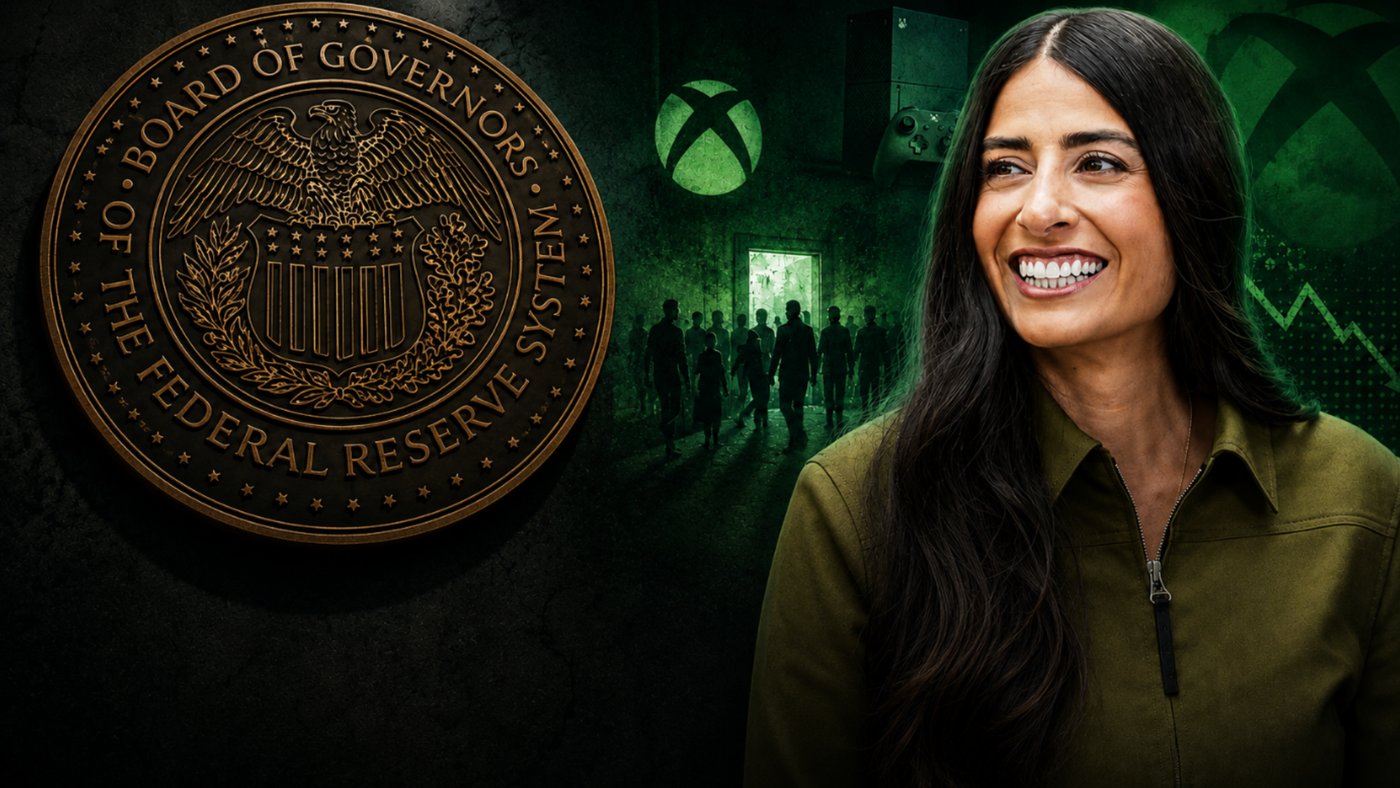
Xbox Just Cut 3,200 Jobs. Three Days Later the CEO Is Advising the Federal Reserve.
3,200 jobs cut. The internal memo published on Twitter. 64 cents lost on every dollar invested. 14 layers of management. And three days later the CEO who did it all is advising the Federal Reserve on jobs. You cannot make this up.
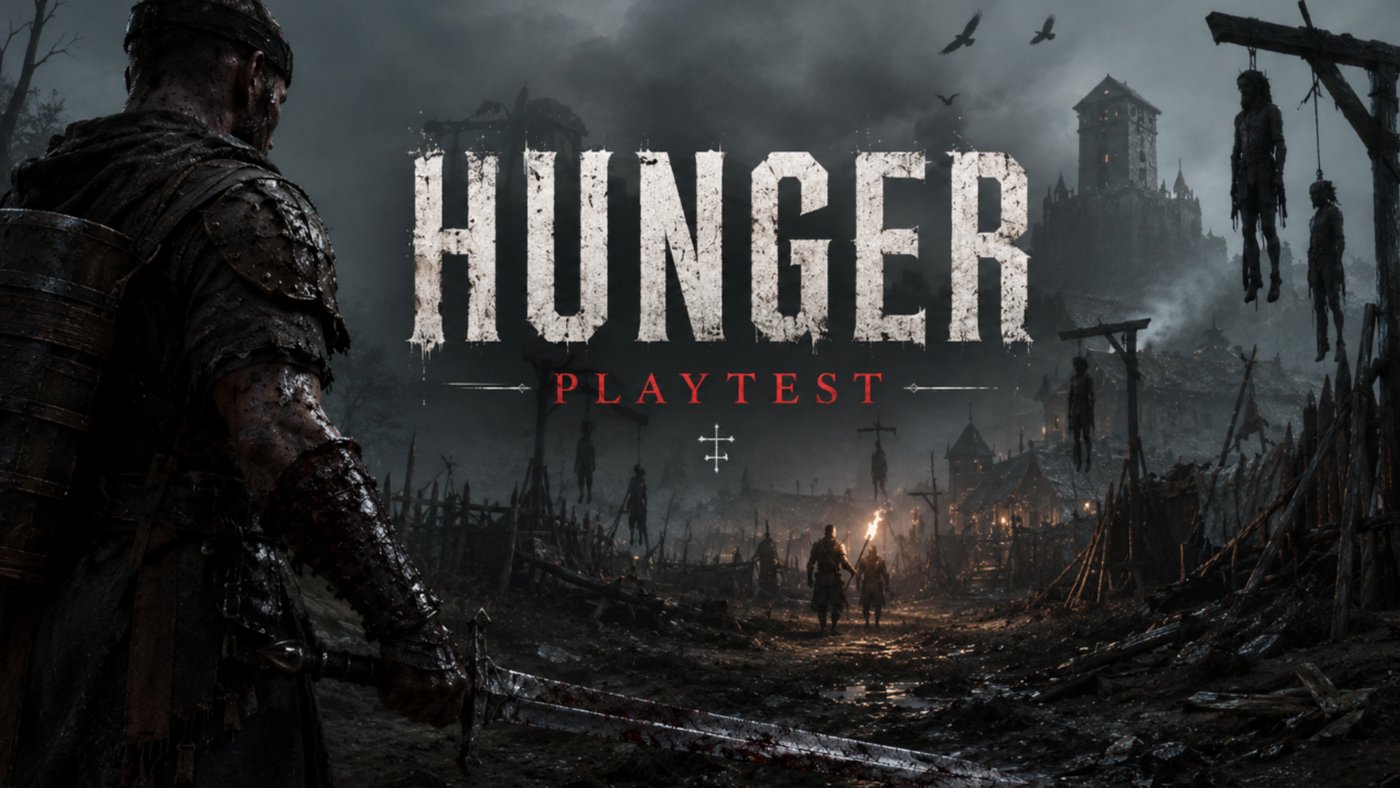
Hunger: The Extraction RPG That Might Finally Get It Right
The team that built Hell Let Loose is back with something completely different. Hunger is an extraction RPG set in Napoleonic Europe and from everything I've seen in the playtest it already looks ready for early access.
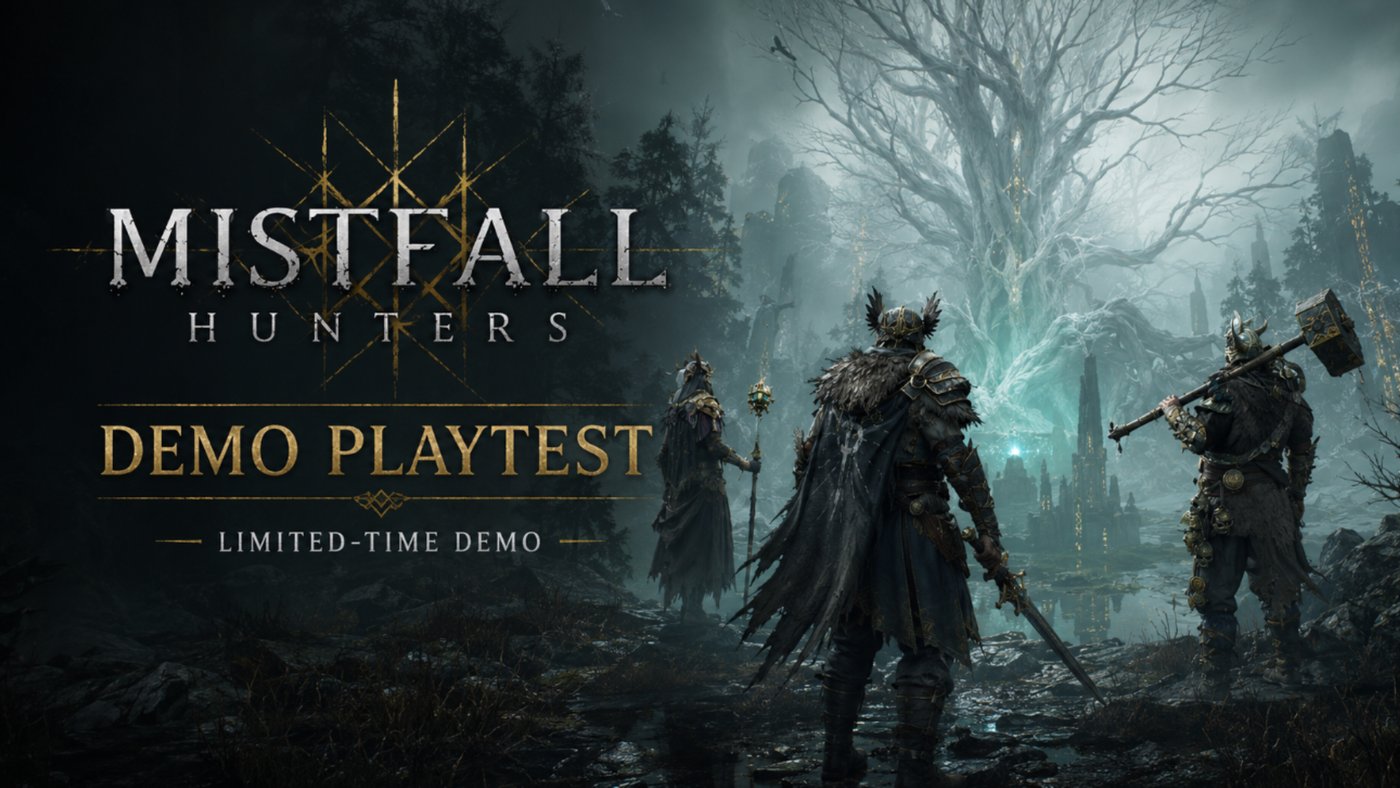
Mistfall Hunter Feels Great to Play. The Monetization Framework Should Worry You.
The combat is improved. The world is immersive. The classes are distinct. But behind the Norse veneer is a monetization framework that should give everyone pause. And the studio's real ownership is something they've tried very hard to keep quiet.
You May Also Like
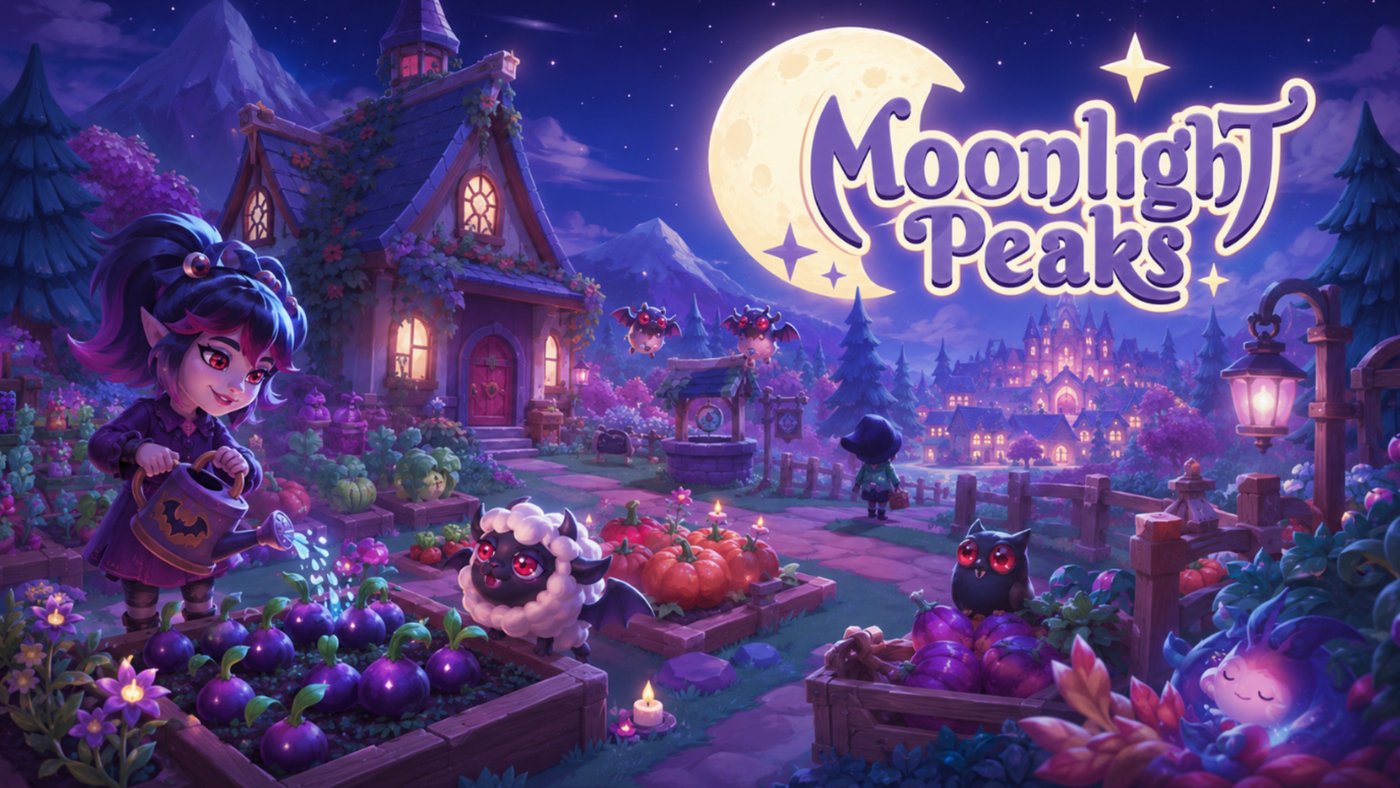
Moonlight Peaks Is a Vampire Farming Sim That Just Launched to 87% Positive on Steam. For $35.
You play as Dracula's kid who ran away from home to start a farm. You sleep in a coffin. You water crops with magic spells. 87% positive on Steam in two days. $34.99 and no nonsense.
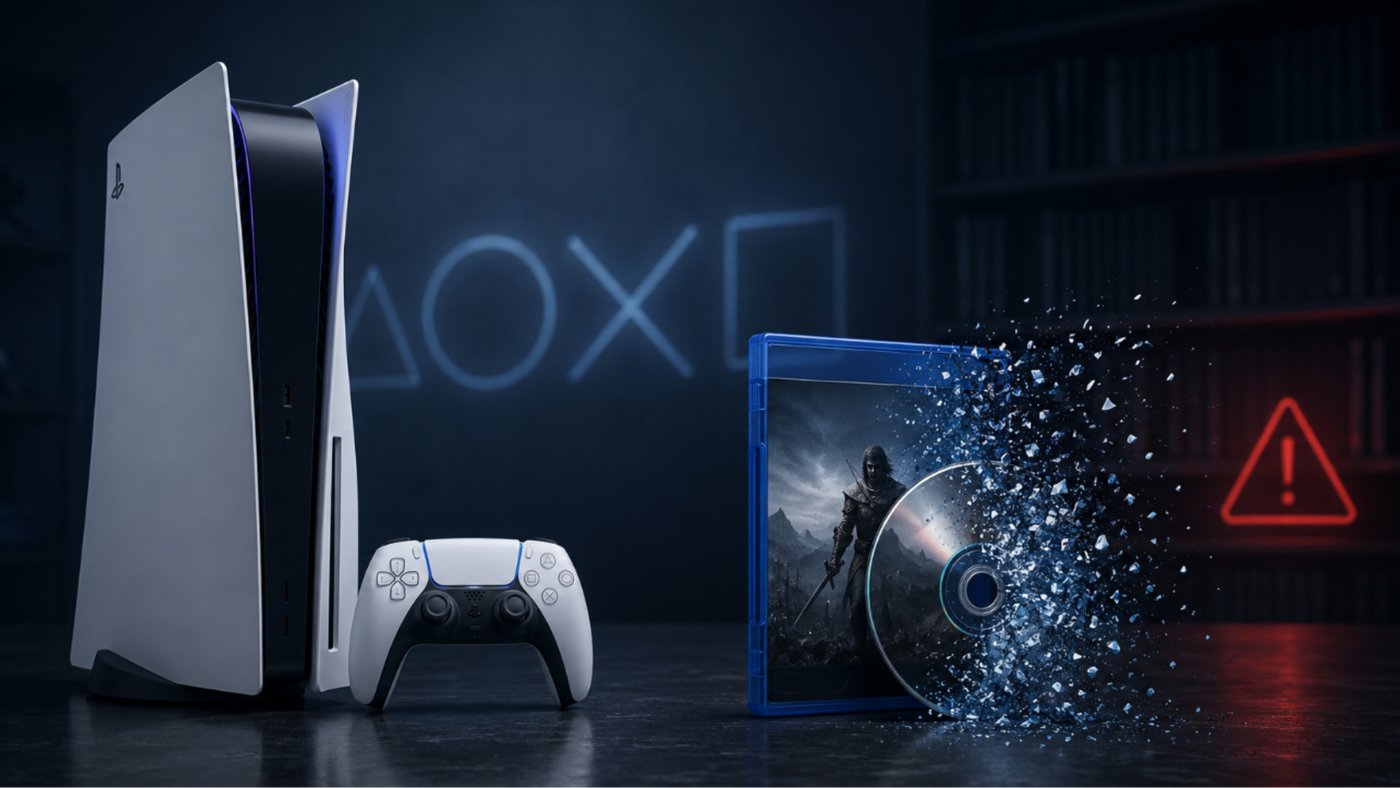
Sony Is Killing Physical Games. Their Own Studio Just Trolled Them About It.
170,000 signatures. Six days of silence. Dominoes making memes. And Insomniac publicly confirming Wolverine gets a real disc while the parent company kills the format. Sony's silence is the statement.
Latest Patch Notes in Gaming — Week of June 29 – July 5, 2026
Diablo IV launched its biggest season yet. Overwatch let the community redesign every hero. The Sims 4 overhauled autonomy. Nine games patched on a single day. Ten games total — here's every update.