
NVIDIA's DLSS 5 Controversy Isn't About the Tech. It's About Who Gets to Decide What Your Games Look Like.
How do I talk about this one?
Because the DLSS 5 controversy isn't really about DLSS 5. Not at its core. It's about something much uglier. It's about executives at the biggest companies in gaming signing off on technology that overwrites their own artists' work, and those artists finding out at the same time we did.
Let that sink in.
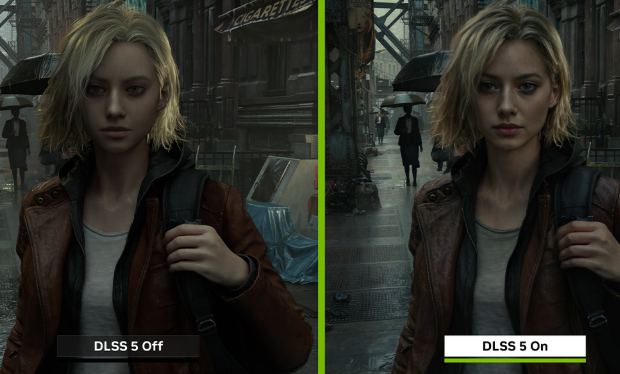
On March 16, NVIDIA unveiled DLSS 5 at its GTC 2026 keynote. CEO Jensen Huang stood on stage and called it "an AI-powered breakthrough in visual fidelity." What it actually is, translated into normal human language, is a generative AI system that takes a game's visuals and re-renders them in real time to look more "photorealistic." Not upscaling. Not frame generation. A full neural rendering pass that changes how your game looks.
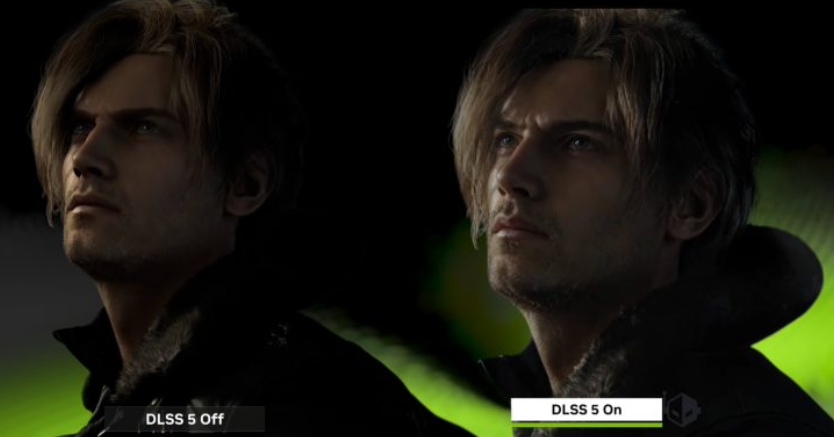
And the very first thing they showed was Resident Evil Requiem. One of the most visually stunning games of the last two years. A game that has been universally praised for its art direction. And DLSS 5 turned protagonist Grace Ashcroft into something that looked like it came out of an Instagram beauty filter. Smoother skin, plumper lips, eye bags removed. The internet immediately called it "yassified." The DLSS 5 YouTube reveal pulled an 84% dislike ratio.
That should have been the story. Bad demo, bad optics, NVIDIA miscalculated.
But then the real story started coming out.
The Developers Didn't Know
According to Insider Gaming, developers at both Capcom and Ubisoft were blindsided by the DLSS 5 reveal. They had no idea their games were being used. They found out when we did.
"We found out at the same time as the public," one Ubisoft developer told Insider Gaming.
Think about that for a second. You spend years building a character. You sculpt the face, you design the lighting, you make deliberate choices about how every single element looks. And then you wake up one morning and find out that NVIDIA just showed the world an AI-altered version of your work, and your own company approved it without telling you.
And here's the thing. NVIDIA's press release specifically named Capcom, Ubisoft, and Bethesda as supporting partners. NVIDIA's Senior Director of Global PR, Ben Berraondo, publicly claimed that Capcom approved the altered Grace Ashcroft. So somebody at these companies said yes. It just wasn't the people who actually made the game.
That tells you everything you need to know about where the power sits in this industry.
The executives made the call. The artists got overwritten. And now the PR teams are scrambling to clean up the mess.
Capcom's Damage Control Says More Than They Intended
Within a week of the DLSS 5 disaster, Capcom rushed out a statement in an investor Q&A. Their position, paraphrased: We will not use AI-generated assets in our games. But we will use AI for productivity and efficiency.
On the surface, that sounds reasonable. Responsible, even.
But hold up. If that's your position, why did your executives approve NVIDIA's demo that literally altered your game's character models using generative AI? You can't have it both ways. You can't say "we don't use AI-generated assets" and also sign off on a public showcase where AI fundamentally changes what your characters look like.
That's not a policy. That's a contradiction. And the gap between those two positions is exactly where developers get hurt.
Capcom devs were reportedly shocked. Not just by the demo itself, but by the implication that leadership might be softening on AI. The studio has historically positioned itself as anti-generative-AI. Now the artists at the company are left wondering if that was ever really true, or if it was just PR until the right deal came along.
I can't lie, the timing of Capcom's statement makes it look more like crisis management than conviction. You don't clarify your AI policy a week after your game gets turned into the poster child for AI slop unless you're trying to put out a fire your own leadership started.
Jensen Huang's Whiplash Tour
And then there's Jensen.
At GTC, when the backlash started rolling in, Huang was asked directly about the criticism. His response? He called gamers "completely wrong."
His exact framing was that DLSS 5 "fuses controllability of geometry and textures and everything about the game with generative AI" and that everything is "in the direct control of the game developer."
Okay. Cool. Except NVIDIA's own engineers and internal slides reportedly indicate that DLSS 5 works from the same data as previous DLSS versions and is not more deeply integrated into game engines. It takes a 2D frame as input and runs generative AI over it. That's a filter. You can call it "content-control generative AI" all day long. It's a filter.
And then, days later, Huang went on the Lex Fridman podcast and suddenly softened his tone. Said he understands the concerns about "AI slop." Said he doesn't love it either.
I'm just going to say it. You can't call people "completely wrong" on Tuesday and then say you understand their concerns on Friday. That's not a nuanced position. That's a guy who saw the engagement numbers and realized the damage was worse than he thought.
Like... what are we doing here? The CEO of a $3 trillion company publicly dismisses the concerns of the entire customer base his gaming division serves, watches the backlash get worse, and then does a soft 180 on a podcast. How do these guys have jobs?

The Real Problem Nobody Wants to Say Out Loud
Here's where I'm going to zoom out.
The DLSS 5 controversy is not about whether the tech works. It probably does work, in some technical sense. By fall when it actually launches, it might even look better than the demo. That's not the point.
The point is that this technology exists to override artistic intent. That is its function. It takes what artists built and says, "What if this looked more like what our AI thinks photorealism should be?" And it does this in real time, frame by frame, without the artist having any say in the final output.
That's not a tool. A tool gives the person using it more control. This takes control away from the people who actually make the games and puts it in the hands of a hardware company's neural network.
And the fact that developers at the studios whose games were used in the demo didn't even know about it makes it a hundred times worse. Because it means the decision to adopt this kind of tech isn't being made by the people who care about how the games look. It's being made by executives who care about maintaining relationships with NVIDIA. It's being made by business development teams. It's being made by people who have never sculpted a character model in their lives.
This is "They're Making Games for Everybody Except the Player" meets "Security Is an Illusion." The artists aren't safe. Their work isn't sacred. Their creative vision can be overwritten by a hardware partner's AI, approved by their own executives, and unveiled to the world without so much as a heads-up email.
It Gets Worse When You Look at the Hardware
Let's do the math, because the math makes this even more absurd.
DLSS 5, as demonstrated, requires two NVIDIA RTX 5090 graphics cards to run. That's two GPUs that retail for approximately $2,000 each. So we're talking about $4,000 worth of graphics hardware just to power a feature that the overwhelming majority of gamers, developers, and critics have said they do not want.
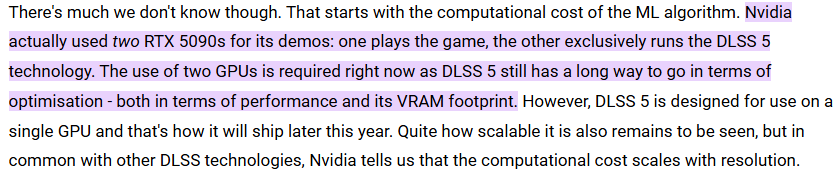
The tech doesn't launch until fall 2026. There is no game engine integration yet. And NVIDIA revealed it over half a year early, with a demo that used someone else's game without the artists' knowledge, and the CEO called the backlash "completely wrong."
That's WILD.
Who is this for? It's not for gamers. Gamers made that abundantly clear with an 84% dislike ratio. It's not for developers. Developers told Kotaku they universally hated it. It's not for artists. The artists at Capcom didn't even know it was happening.
So who is it for?
It's for investors. It's for GTC keynote attendees. It's for the narrative that AI is going to revolutionize everything, including things that don't need to be revolutionized. DLSS 5 isn't a product for gamers. It's a proof of concept for shareholders.
The Sameification, Automated
I've talked before about the Sameification of AAA gaming. The convergence toward identical aesthetics, identical mechanics, identical feel. Every game running the same engine, chasing the same look, designed by the same corporate incentives.
DLSS 5 is the Sameification made literal. It is technology designed to push every game toward the same "photorealistic" baseline, regardless of what the developers intended. It doesn't care if your game has a distinctive art style. It doesn't care if your lighting choices were deliberate. It takes whatever you made and runs it through a neural network that thinks it knows better.
And you know what makes this entire thing that much more insulting? The indie games that are thriving right now, the ones taking market share from AAA, succeed because they look different. They succeed because they have a creative vision that isn't filtered through focus groups and AI optimization. They succeed because someone made something they personally loved the look of.
That's the future these guys are trying to overwrite. Not just with bad business decisions, but with actual software that literally overwrites it in real time.
Credit Where Credit's Due
I do want to say this. The gaming community's response to DLSS 5 has been encouraging. Not the trolling, not the memes, although some of those were genuinely funny. The substantive pushback. Players articulating why art direction matters. Developers speaking up, even anonymously, about the disconnect between their work and executive decisions. Capcom devs being willing to express shock and concern. Digital Foundry's Alex Battaglia calling out the tech for messing with artistic vision.
That's consequences as language. NVIDIA showed the world what this tech does, and the world said no. 84% dislike ratio. Universal dev backlash. A CEO forced into a soft reversal within a week. That matters. That's the community doing exactly what it should do.
And to Capcom's credit, their official position is that AI-generated assets won't appear in their games. Whether that holds remains to be seen, especially given the contradictions, but at least it's a line drawn. More studios need to draw that line publicly.
What Happens Now
DLSS 5 launches in fall 2026. Between now and then, NVIDIA will polish it. They'll cherry-pick better comparison shots. They'll get some studios to implement it more carefully. They'll try to reframe the narrative.
But the damage is done. Not to NVIDIA's stock price. Not to their quarterly earnings. The damage is to trust. The gaming community now knows that this technology exists, that it's designed to alter games without developer input, and that executives will approve its use without telling their own teams.
That's the precedent. That's what DLSS 5 represents beyond the tech specs and keynote hype. It's a future where the people who make games have even less control over how those games reach the player. Where a hardware company's AI gets to decide what "better" looks like. Where artistic intent is something that can be optimized away.
I don't like any of this.
The artists who build these worlds deserve better. The players who buy these games deserve to see what the developers actually made. And the executives who signed off on that demo without telling their own teams need to answer for it.
That's where we're at right now.
Share this article
Comments

James Brooke
Founder & Editor
Gaming industry analyst and video editor covering gaming trends, indie games, and industry analysis.
About the author →Related Articles

Sony Is Killing Physical Games. Their Own Studio Just Trolled Them About It.
170,000 signatures. Six days of silence. Dominoes making memes. And Insomniac publicly confirming Wolverine gets a real disc while the parent company kills the format. Sony's silence is the statement.

Best Games Coming in July 2026: 5 Headliners and 5 Under the Radar
Two massive remakes drop on the same day. A DOOM expansion. A Splatoon game nobody expected. And enough indie picks to fill the gaps before September obliterates your wallet. Here's what's worth playing in July.
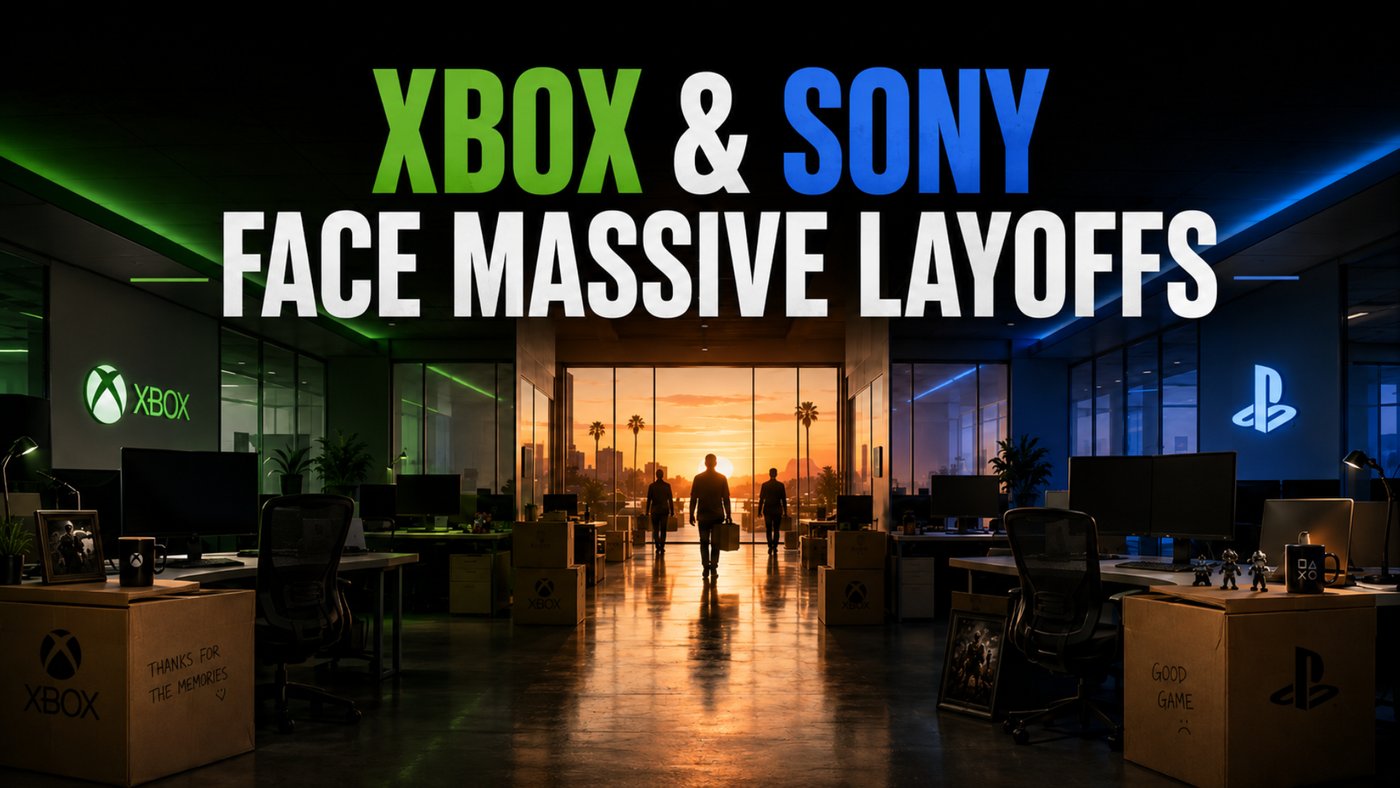
Gaming's Bloody Summer Starts Tomorrow. Xbox Isn't the Only One Cutting.
Microsoft's fiscal year ends tonight. The cuts start tomorrow. And it's not just Xbox. Sony, EA, and BioWare are all expected to face closures in July. Here's what we know heading into the bloodiest summer the gaming industry has seen.
You May Also Like
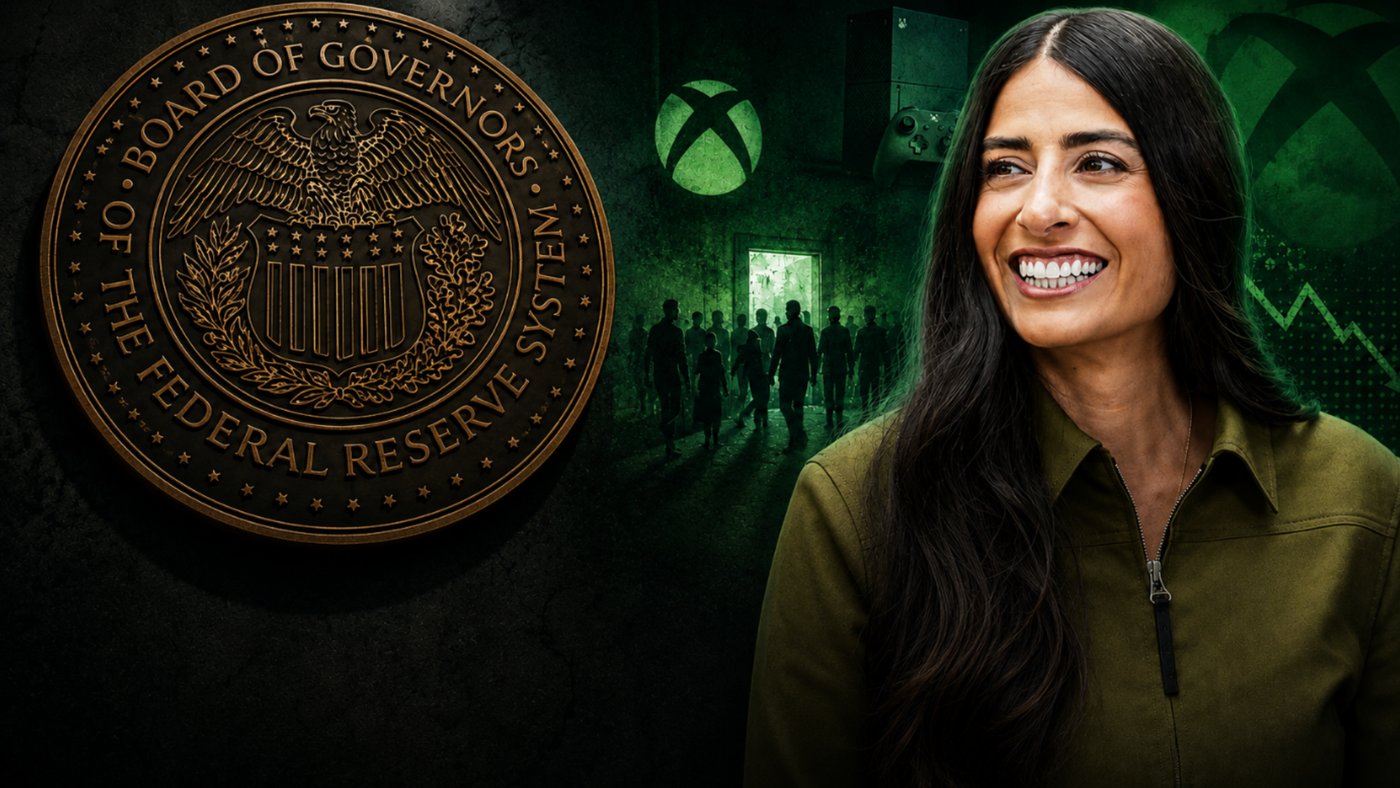
Xbox Just Cut 3,200 Jobs. Three Days Later the CEO Is Advising the Federal Reserve.
3,200 jobs cut. The internal memo published on Twitter. 64 cents lost on every dollar invested. 14 layers of management. And three days later the CEO who did it all is advising the Federal Reserve on jobs. You cannot make this up.

Moonlight Peaks Is a Vampire Farming Sim That Just Launched to 87% Positive on Steam. For $35.
You play as Dracula's kid who ran away from home to start a farm. You sleep in a coffin. You water crops with magic spells. 87% positive on Steam in two days. $34.99 and no nonsense.
Hunger: The Extraction RPG That Might Finally Get It Right
The team that built Hell Let Loose is back with something completely different. Hunger is an extraction RPG set in Napoleonic Europe and from everything I've seen in the playtest it already looks ready for early access.