
Ashes of Creation Collapse: How 200+ Devs Got Shafted by Private Equity
Today was supposed to be the day. February 13, 2026—marked on the Ashes of Creation website as the big development update stream. The moment when Intrepid Studios would walk us through their Q1 plans and outline the next steps for their ambitious MMORPG. Instead, we're writing an obituary.
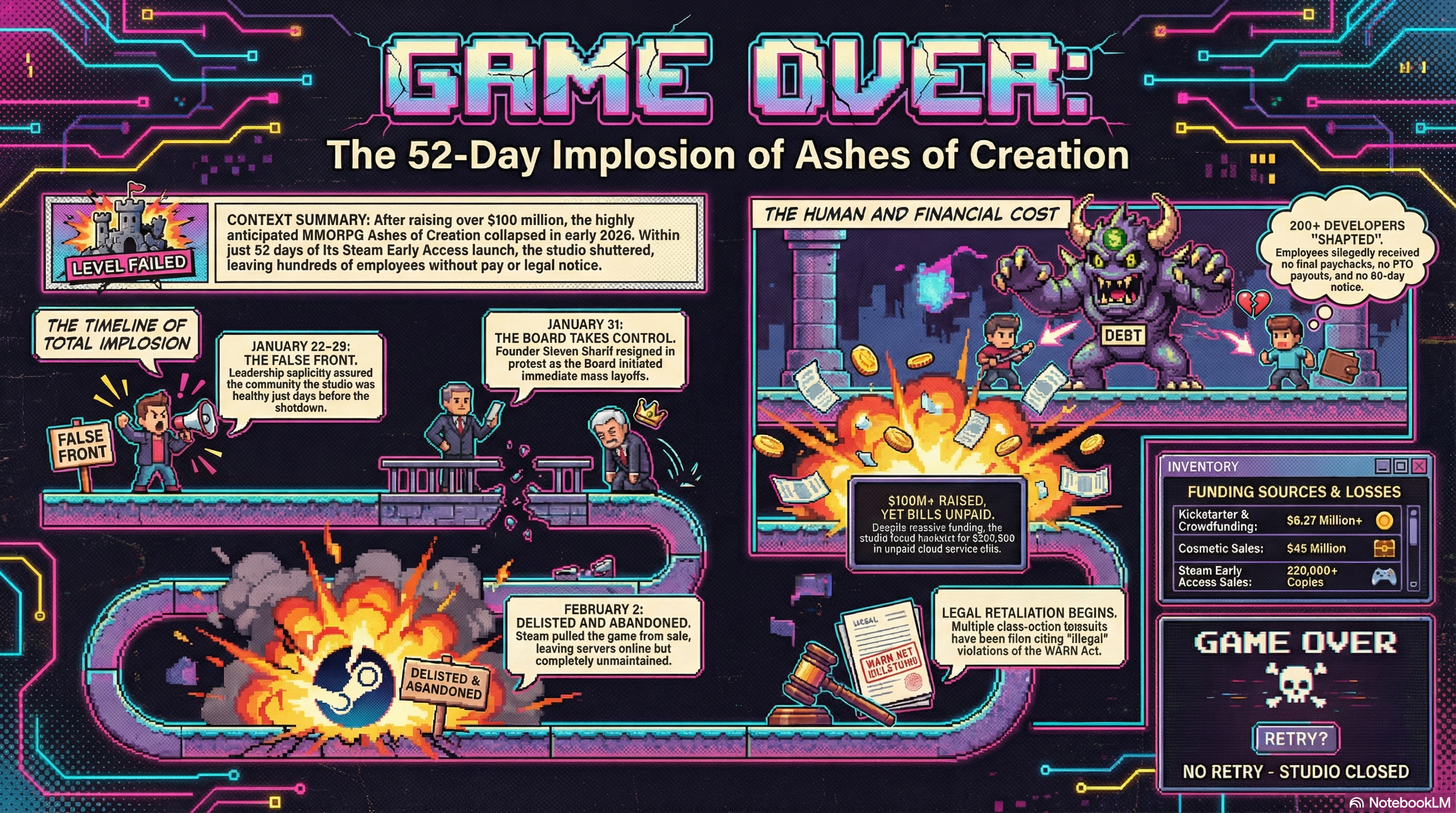
Fifty-two days. That's all it took for one of the most successful gaming Kickstarters ever to go from Steam Early Access launch to complete implosion. And while the players are rightfully angry about their money, there's a group of people who got it far worse: the roughly 200 developers who allegedly walked away without their final paychecks, their PTO payouts, or the legally-required 60-day notice.
This isn't just another cautionary tale about crowdfunding. This is a story about how the people who actually built something—who worked long hours believing in a dream—got absolutely gutted while someone, somewhere, apparently made off with the keys to the kingdom.
The Timeline: From "Worthy of Your Investment" to "Everyone Is Fired"
Let me walk you through how fast this unraveled, because it's genuinely staggering.
January 22, 2026: Steven Sharif, Intrepid's founder and creative director, posts on Reddit addressing layoff rumors. Nine out of 250 employees were impacted by what he called "targeted team adjustments." He explicitly assured the community this was "not a reflection of the health or future of Ashes of Creation" (Wikipedia).
January 29, 2026: A "Director's Letter to the Citizens of Verra" appears on the official website. It acknowledges player frustrations about bots, cheating, bugs, and performance issues. But it promises continued commitment to building "something ambitious, durable, and worthy of your investment." The letter announces a February 13 development update stream to share Q1 plans (PC Gamer).
Two days. That letter was published two days before everything collapsed.
January 31, 2026: Sharif resigns and posts on Discord: "Control of the company shifted away from me, and the Board began directing actions that I could not ethically agree with or carry out. As a result, I chose to resign in protest rather than lend my name or authority to decisions I could not ethically support" (Game Developer).
The senior leadership team followed him out the door. Then the Board issued WARN Act notices and proceeded with mass layoffs.
February 2, 2026: Steam pulls Ashes of Creation from sale. The game is delisted. Servers remain online for existing players—for now—but there's no one left to maintain them.
The Real Victims: 200+ Developers Left Without Paychecks
Here's where this stops being a story about a game and becomes something much uglier.
Margaret Krohn, Intrepid's former Director of Communications and Marketing, broke her silence on February 3rd with a detailed account of what happened. According to her public statement on social media and Reddit:
On January 28, she was informed that 100 developers would be laid off. Devastating, but potentially survivable. She believed the remaining team could find a path forward.
By January 31, everyone was informed via what she described as "a confusing email" that they were all laid off, along with WARN Act notices (PCGamesN).
And then the kicker—the part that should make your blood boil:
"None of us are receiving our final paychecks, the 60 days notice and pay outlined under the WARN Act, PTO payouts, or other compensation owed." (PCGamesN)
When a concerned fan on social media asked about this, Krohn's response was blunt: "What is being done is illegal" (GameFragger).
The WARN Act Violations: Lawsuits Are Already Filed
The Worker Adjustment and Retraining Notification (WARN) Act exists specifically to prevent this kind of thing. For companies with 100+ employees, it requires 60 days' advance written notice before a mass layoff affecting 50+ workers. If that notice isn't provided, employees are entitled to 60 days of wages and benefits.
Intrepid Studios filed a WARN notice with California's Employment Development Department on January 31, 2026, indicating a permanent closure affecting 123 employees (PCGamesN).
The lawsuits have already started. As of early February, three former employees—technical director Zakary Strange, VFX artist Noah Ortega, and gameplay engineer Jacob Burdecki—have filed class-action lawsuits in U.S. District Court for the Southern District of California (case numbers 3:26-cv-00708 and 3:26-cv-00728).
The suits allege that approximately 200 employees were terminated without the required 60-day notice, without final wages, and without accrued PTO payouts. The plaintiffs seek 60 days' wages and benefits, waiting time penalties, and other compensation for all affected workers (GameFragger, Massively Overpowered).
Multiple law firms, including Strauss Borrelli PLLC, are actively investigating potential WARN Act violations and urging affected employees to come forward (Strauss Borrelli).
The Private Equity Allegation: Was the Studio Sold?
So who exactly is "the Board" that Sharif claims wrestled control away from him? This is where things get murky—and the answers we have are based largely on reports from YouTuber KiraTV and corroborated by MMORPG.com's own sources.
According to these reports, Intrepid Studios was allegedly sold to a private equity firm. The initial plan was reportedly to downsize from 250 employees to around 70—a "skeleton crew" that would maintain the studio while development was outsourced to a more cost-effective location. But within 24 hours, that plan changed to a complete studio shutdown (MMORPG.com, WCCFTech).
Important caveat: As of this writing, there is no verified public record confirming a completed acquisition or the identity of any private equity firm involved. These remain allegations and reports from anonymous sources. Sharif has indicated that a future public legal filing will provide "a clearer factual record" of what happened (Massively Overpowered).
The Money Trail: $100+ Million—Where Did It Go?
Here's what we know about where Ashes of Creation's funding came from:
Kickstarter (2017): $3.27 million from nearly 20,000 backers
Summer crowdfunding (2018): Additional $5+ million
Pre-order packages: Ongoing sales up to $500 per package
Cosmetics sales: Sharif himself announced at one point that the game made over $45 million from in-game cosmetic sales (The Escapist)
Steam Early Access (December 2025): Estimated 220,000-320,000 copies at $49.99
Yet there were apparently cracks in the foundation long before the collapse became public.
In December 2025, SADA Systems LLC (represented by law firm Ballard Spahr) filed an $852,630 breach-of-contract lawsuit against Intrepid Studios in New York Supreme Court, alleging unpaid Google Cloud Platform services dating back to a September 2022 agreement (All About Lawyer).
Nearly three years of allegedly unpaid cloud computing bills. The backbone infrastructure needed to run an online multiplayer game. That lawsuit was filed weeks before the Steam launch.
The Hidden Investor: Ya-Ya Legacy Trust
Perhaps more revealing is what was discovered in public filings and court documents, recently compiled by investigative gaming site Paradox Gaming Network.
Despite Sharif's repeated public statements that Ashes of Creation was "entirely self-funded" with his own money, court documents reveal that in February 2017—months before the Kickstarter launched—Intrepid Studios entered into a financing agreement with the Ya-Ya Legacy Trust, operated by Jason Caramanis, for a principal amount of $1 million (Paradox Gaming Network).
That debt was converted to equity. Additional investments followed. By August 2019, according to the reporting, the Ya-Ya Legacy Trust had acquired approximately 9.7% ownership of Intrepid Studios.
In June 2024, Caramanis filed a lawsuit (37-2024-00028199-CU-WM-CTL) in San Diego Superior Court against Intrepid Studios, alleging he was denied access to the company's financial books and records (Paradox Gaming Network).
Note: This reporting raises serious questions, but it's important to distinguish between verified court filings and conclusions drawn from them. The existence of outside investors does not automatically prove wrongdoing, and these matters are presumably part of the "ongoing legal and governance matters" Sharif referenced.
The Human Cost: "We Wish We Could Give You Ashes of Creation"
Lost in all the financial and legal drama are the actual human beings who poured years of their lives into this project.
Krohn's public statement was heartbreaking: "The entire development team was working extremely hard, pulling long hours, and wishes with all our hearts that we could give you Ashes of Creation. There are no words that fully express how sorry we are that this journey ended this way" (Kotaku).
She described the Intrepid team as "truly a family" with a culture she had "never experienced anywhere else."
And yet, that family is now scrambling for jobs. Krohn organized a virtual job fair to connect former Intrepid developers with potential employers. LinkedIn is flooded with "Open to Work" badges from people who, just weeks ago, were building what was supposed to be the next great MMORPG.
These aren't nameless corporate casualties. These are artists, engineers, designers, sound designers, and community managers who believed in something and got hung out to dry.
What Happens Now?
The February 13 dev stream obviously isn't happening. The game remains in a bizarre limbo—servers technically online, but with no one to maintain them or develop new content. Valve has pulled it from sale on Steam. Players can't buy it; existing owners can only play until the servers inevitably go dark.
For Kickstarter backers, the outlook is grim. Crowdfunding pledges aren't purchases—they're investments in a project with no refund guarantee. Sharif famously stated in 2017 that backers would be refunded if the game didn't launch, but the game did technically launch in Early Access, which some argue was deliberately done to sidestep that promise (The Escapist).
Some Steam purchasers have received refunds despite exceeding the normal two-hour playtime window, but results are inconsistent. If you purchased on Steam, it's worth submitting a refund request citing the extraordinary circumstances.
For the developers, the class-action lawsuits are just beginning. Whether they'll see any of the money owed to them depends on whether there are assets left to collect—and that's a big question mark when a company allegedly couldn't make payroll.
The Lesson Nobody Wanted to Learn Again
We've seen this story before. We'll see it again. Big promises, massive crowdfunding, years of development, then everything falls apart at the last minute while the money vanishes into the ether.
But this one stings differently because of the scale of the betrayal. This wasn't a project that quietly fizzled out. This was a studio that was posting reassurances and roadmaps 48 hours before pulling the plug. This was leadership that allegedly knew the ship was sinking while still selling cabins.
And most damning: this was a company that allegedly didn't even pay its workers what they were legally owed on the way out the door.
The developers of Ashes of Creation deserved better. The community that supported this project for nearly a decade deserved better. And whatever happens next—whatever legal filings Sharif promises will reveal the truth—it won't undo the damage done to hundreds of careers and thousands of players who dared to believe.
The ashes of Ashes of Creation aren't just the remnants of a failed game. They're the remnants of trust that might never be rebuilt.
Sources and Citations
This article cites publicly available sources and clearly notes when information is alleged vs. confirmed. Court filings referenced are public record. Statements from Steven Sharif and Margaret Krohn were posted publicly on Discord, LinkedIn, Reddit, and X/Twitter.
Insider Gaming: Is Ashes of Creation Shutting Down?
Wikipedia: Ashes of Creation
Game Developer: Intrepid Studios Shuts Down
The Escapist: Ashes of Creation Shuts Down
PC Gamer: Most Successful Kickstarter MMO Canceled
MMORPG.com: Ashes of Creation Turmoil
PCGamesN: Devs Allege No Final Paychecks
Kotaku: No One Got Their Final Paychecks
Massively Overpowered: Former Devs File Lawsuits
GameFragger: Lawsuits Filed Over Unpaid Wages
Strauss Borrelli: WARN Act Investigation
Paradox Gaming Network: The Undisclosed Investor
All About Lawyer: SADA Systems Lawsuit
Share this article
Comments

James Brooke
Founder & Editor
Gaming industry analyst and video editor covering gaming trends, indie games, and industry analysis.
About the author →Related Articles
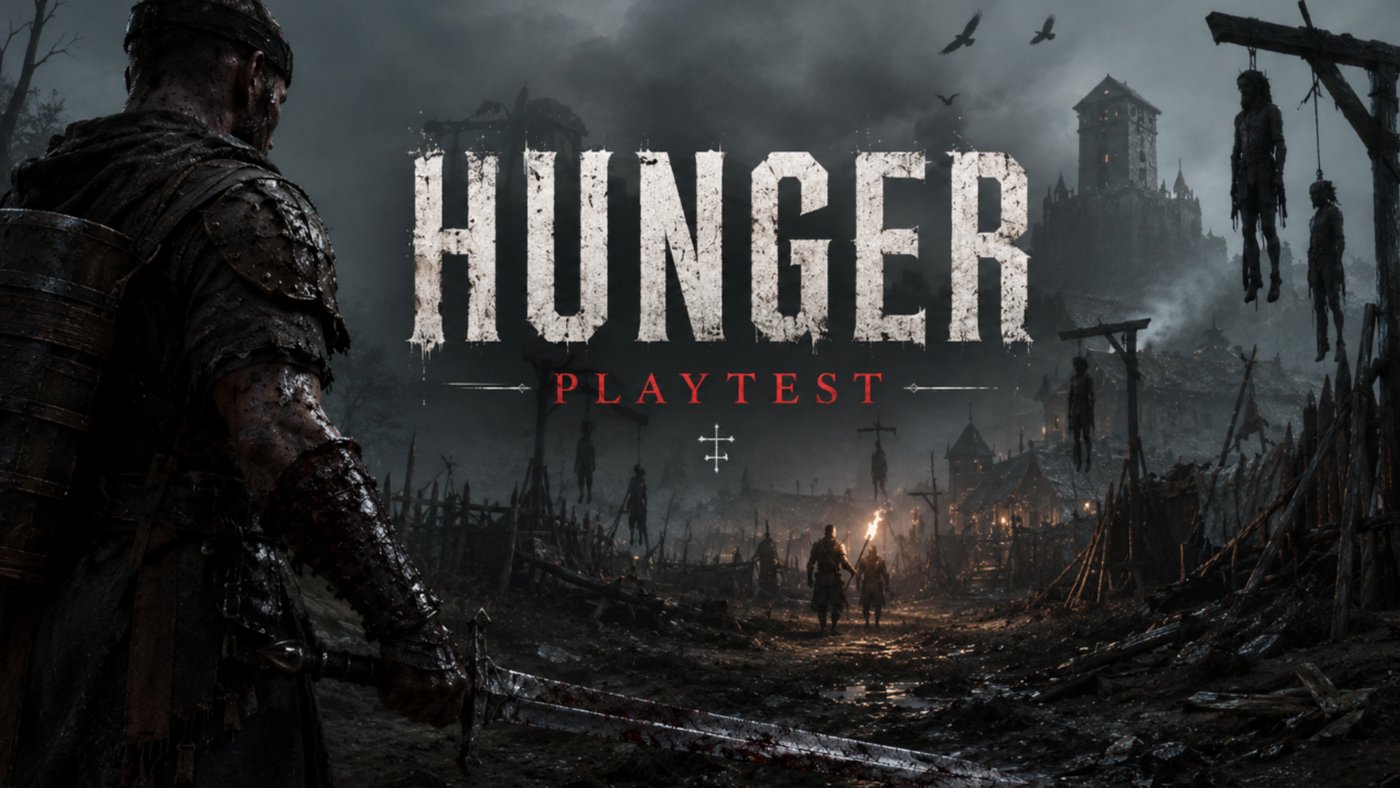
Hunger: The Extraction RPG That Might Finally Get It Right
The team that built Hell Let Loose is back with something completely different. Hunger is an extraction RPG set in Napoleonic Europe and from everything I've seen in the playtest it already looks ready for early access.
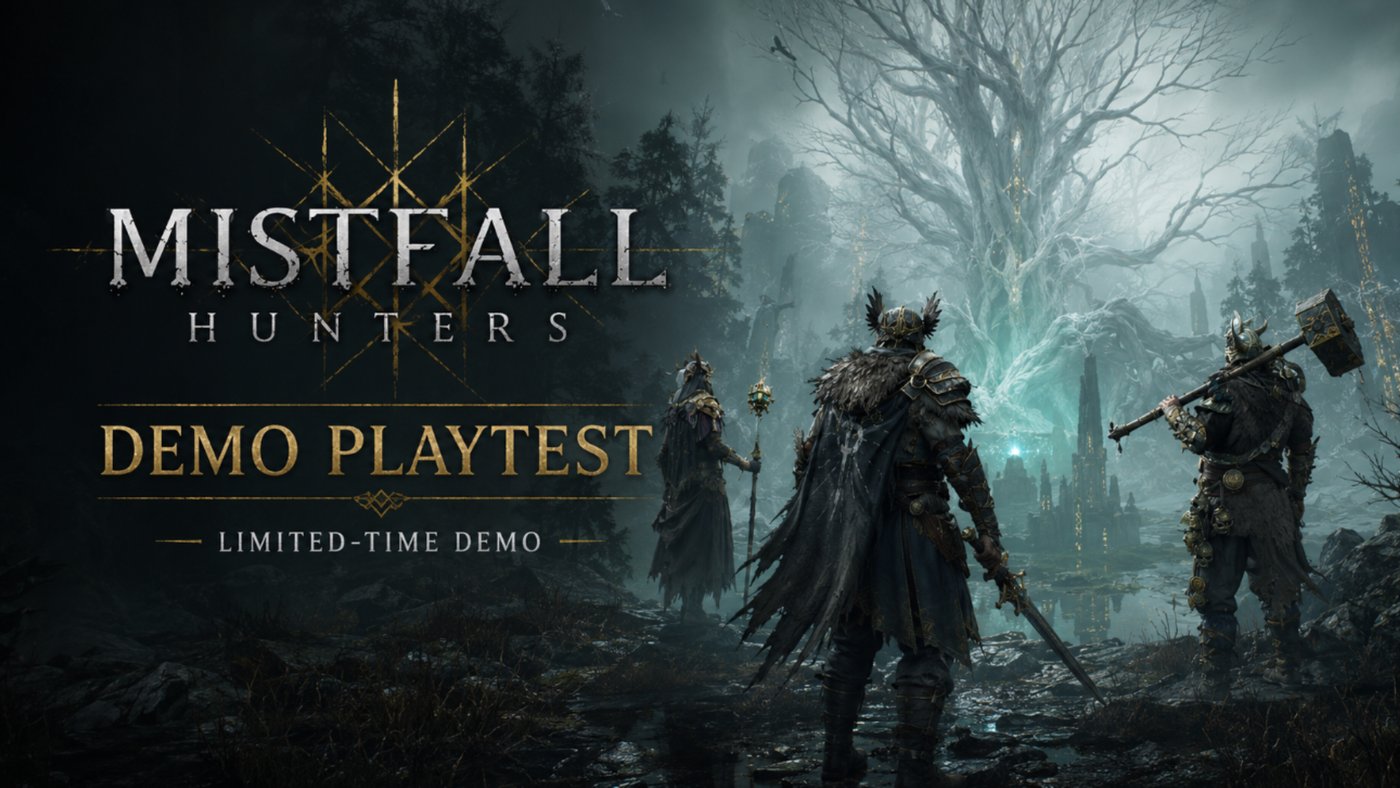
Mistfall Hunter Feels Great to Play. The Monetization Framework Should Worry You.
The combat is improved. The world is immersive. The classes are distinct. But behind the Norse veneer is a monetization framework that should give everyone pause. And the studio's real ownership is something they've tried very hard to keep quiet.
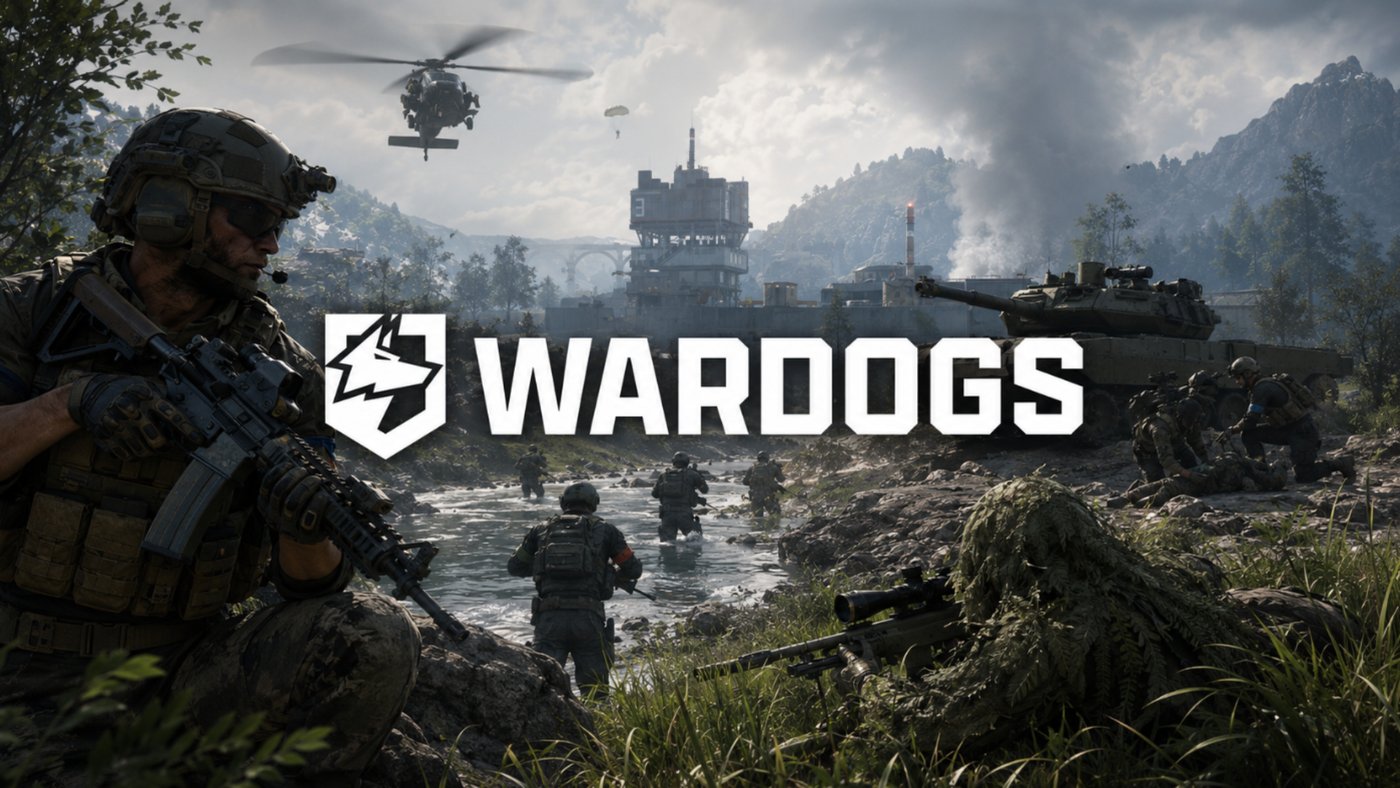
Wardogs Just Did Something Almost Nobody in Gaming Does Anymore. They Moved the Release Up.
Every game gets delayed. BULKHEAD is so confident from playtests that they moved the release UP. 100 players, no battle pass, 500K wishlists. This is the Battlefield game DICE stopped making.
You May Also Like
Moonlight Peaks Is a Vampire Farming Sim That Just Launched to 87% Positive on Steam. For $35.
You play as Dracula's kid who ran away from home to start a farm. You sleep in a coffin. You water crops with magic spells. 87% positive on Steam in two days. $34.99 and no nonsense.
Sony Is Killing Physical Games. Their Own Studio Just Trolled Them About It.
170,000 signatures. Six days of silence. Dominoes making memes. And Insomniac publicly confirming Wolverine gets a real disc while the parent company kills the format. Sony's silence is the statement.
Latest Patch Notes in Gaming — Week of June 29 – July 5, 2026
Diablo IV launched its biggest season yet. Overwatch let the community redesign every hero. The Sims 4 overhauled autonomy. Nine games patched on a single day. Ten games total — here's every update.