

Pragmata and Capcom's 2026: How One Company Is Embarrassing the Entire Western AAA Industry
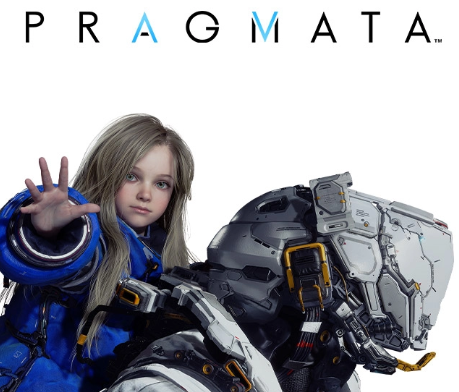
I'm just going to say it. Capcom is running laps around everybody.
Pragmata launched on April 17. A brand new IP. Not a sequel. Not a remake. Not a remaster. A completely original game from a team of younger developers at Capcom, and it sold over a million copies in 48 hours. 86 on Metacritic. 97% positive on Steam with over 21,000 reviews. Overwhelmingly Positive across English, Korean, Chinese, and nearly every other language category. GameSpot gave it a 9/10 and called it "Capcom's next great franchise."
And here's the thing. This isn't even the highlight of Capcom's year. This is their third major release. In four months.
Let that sink in.
The 2026 Scorecard
Resident Evil Requiem launched in February. 89 on Metacritic. 6 million copies sold. The fastest-selling Resident Evil game in the franchise's history. Leon Kennedy is back. The game lets you switch between first and third person freely. It works. Critics loved it. Players loved it. It's already in Game of the Year conversations and the year is barely halfway done.
Monster Hunter Stories 3: Twisted Reflection launched in March. 85 on Metacritic. The RPG spin-off that proves Capcom can take one of their biggest franchises and completely change the genre while maintaining quality. Across PC, PS5, Xbox, and Switch 2.
Pragmata launched in April. 86 on Metacritic. A million copies in two days. A new IP. In a market where publishers are terrified of anything that doesn't come with built-in brand recognition, Capcom bet on something nobody had heard of three years ago and it paid off immediately.
That's three games in four months. Three scores of 85 or higher. Combined sales already north of 7 million units. And Onimusha: Way of the Sword is still coming later this year. The first new entry in that franchise in twenty years.
Capcom literally posted on Bluesky, "We're not done with 2026 yet." And they've confirmed additional unannounced titles before April 2027. That's not confidence. That's dominance.
The Western AAA Contrast
Now look at what western AAA has been doing during the same period.
Ubisoft is in the middle of a rolling restructuring. Studios closed. Hundreds of jobs cut. Paris headquarters facing proposed reductions. Their unions are calling for international strikes. Prince of Persia: Sands of Time Remake got cancelled. Splinter Cell has no release window. They're leaning on Assassin's Creed to carry the entire company.
EA laid off a massive chunk of the Battlefield team after Battlefield 6 became the best-selling game of 2025. Record sales. Layoffs anyway.
Sony shut down Bluepoint Games. The studio that made the Demon's Souls remake. Gone.
Epic fired over 1,000 people after raising Fortnite prices.
Iron Galaxy just cut 90 people. Their second round in two years.
And we just covered the Skillsearch survey that found 44% of game developers are considering leaving the industry entirely.
That's the western AAA landscape in 2026. Record revenues. Massive layoffs. Studios closing. Talent fleeing. And the games that do ship are increasingly safe bets. Sequels, remasters, live-service experiments that nobody asked for.
Meanwhile, Capcom is sitting over in Osaka shipping three critically acclaimed games in four months, one of which is a brand new IP, and teasing even more before the year is out.
The gap between Japanese and western AAA development has never been more visible. And it's not just Capcom. FromSoftware is FromSoftware. Nintendo is printing money with the Switch 2 launch. But Capcom specifically is operating at a level that no western publisher is even close to matching right now.
Why Capcom Keeps Winning
There's a temptation to make this about culture or work ethic or something intangible. But that's lazy. The reason Capcom is winning is actually pretty concrete.
They make games for gamers.
That sounds obvious. It sounds like something you'd see on a motivational poster in a game studio breakroom. But look at what they're actually doing versus what western publishers are doing and the difference is stark.
Capcom's games are complete at launch. Resident Evil Requiem wasn't shipped broken with a day-one patch and a roadmap. It was done. Pragmata is a full single-player experience. No battle pass. No live-service treadmill. No "Year 1 content roadmap" that's really just an admission that you shipped an incomplete product.
Capcom released a free demo for Pragmata months before launch. Over 2 million people downloaded it. That's confidence. You don't release a demo unless you believe the gameplay loop sells itself. When was the last time a western AAA publisher released a demo? They're too afraid you'll realize the game isn't worth $70 before you've already paid for it.
Capcom uses one engine, the RE Engine, across multiple projects. They've been refining it since 2017. Every game they ship on it makes the next game better. The tech compounds. The expertise compounds. Western publishers chase new engines, new tech stacks, and new middleware every other project, and then wonder why their games take six years to develop and launch with performance issues.
And critically, Capcom trusts its developers. Pragmata was built by a team of younger developers. New talent. People who hadn't shipped a major Capcom title before. The company gave them resources, time (the game was delayed multiple times), and creative freedom. The result is a new IP that sold a million copies in 48 hours.
Compare that to western publishers who acquire studios, strip their creative leadership, force them onto live-service projects, and then close them when the project fails. That's not a development philosophy. That's asset liquidation wearing a game studio's skin.
The Price Conversation
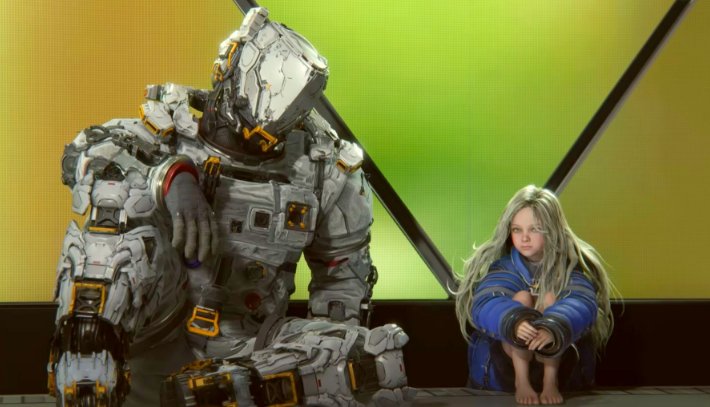
I'm not going to sit here and pretend Capcom is perfect. There's a real conversation happening about Pragmata's $70 price tag for what's roughly a 12-hour campaign. And that's fair. The value question matters.
But here's where I land on it. Would I rather pay $70 for a 12-hour game that works, that's polished, that respects my time, and that I'll remember, or $70 for a 40-hour open-world game that's padded with fetch quests, stuffed with microtransactions, and forgets to be fun after the first five hours?
I know my answer. You probably know yours too.
The length criticism is valid. But the quality conversation is where Capcom is winning so decisively that nobody else is in the room.
What This Means Going Forward
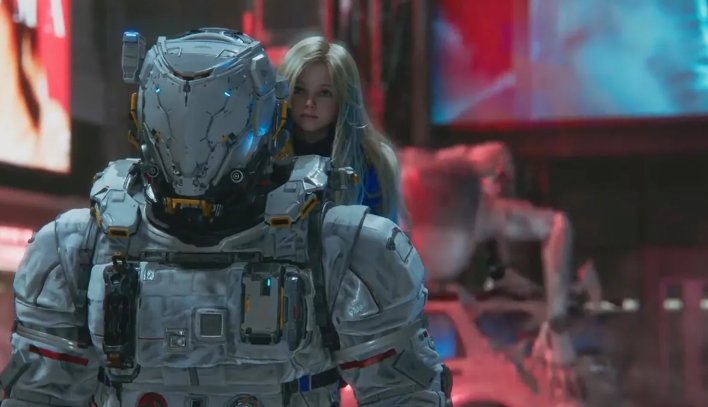
Capcom has been on this trajectory since Resident Evil 7 in 2017. Monster Hunter World in 2018. Devil May Cry 5. The RE2 remake. RE3. RE4. Street Fighter 6. Dragon's Dogma 2. Monster Hunter Wilds. Resident Evil Requiem. Pragmata. That's nearly a decade of consistently delivering high-quality games across multiple franchises and genres.
At what point do we stop calling it a hot streak and start calling it what it is? A company that figured out how to make games the right way and hasn't stopped.
Onimusha: Way of the Sword is still coming. They've got unannounced titles confirmed for before April 2027. Code Veronica remake rumors won't die. Okami 2 is in development. Mega Man Dual Override was just announced.
While western AAA publishers are laying off thousands of developers and wondering why their games keep missing the mark, Capcom is quietly building the most dominant year any single publisher has had in recent memory.
Three of the top 10 rated games of 2026 are from one company. And that company is telling you they're not done yet.
How do these guys keep doing this? And more importantly, why can't anybody else figure it out?
The answer is staring the entire industry in the face. Make good games. Ship them finished. Trust your developers. Respect your players. That's it. That's the whole secret.
And somehow, in 2026, that's still a revolutionary concept.
Share this article
Comments

James Brooke
Founder & Editor
Gaming industry analyst and video editor covering gaming trends, indie games, and industry analysis.
About the author →Related Articles
Best Games of 2026 So Far: Where Your Money Is Actually Worth Spending
NPR published their half year list and it read like a Metacritic scroll. This is a real one. 12 games from $6 to $70 that actually earned your money in the first half of 2026.
Palworld 1.0 Is Here. The Price Didn't Go Up. And the Game That Wasn't Supposed to Work Just Hit 40 Million Players.
The concept sounded ridiculous. Pokemon with guns. The internet argued over whether it should even exist. And now it has 40 million players, an Overwhelmingly Positive Steam rating, and the price didn't go up for the full release.
Xbox Just Cut 3,200 Jobs. Three Days Later the CEO Is Advising the Federal Reserve.
3,200 jobs cut. The internal memo published on Twitter. 64 cents lost on every dollar invested. 14 layers of management. And three days later the CEO who did it all is advising the Federal Reserve on jobs. You cannot make this up.
You May Also Like

Best Games August 2026: 5 Headliners and 5 Under the Radar
Game Freak outside of Pokemon. MGS4 finally on modern hardware. Hell Let Loose Vietnam. A Marvel fighting game from Arc System Works. August is the warm up lap before September destroys everything.
Latest Patch Notes in Gaming — Week of July 20–26, 2026
Battlefield 6 put boats in the game. Heroes of the Storm reworked Ragnaros. 2XKO overhauled its Fuse systems. Phasmophobia rebuilt 13 Willow Street. Ten games patched this week — here's every update.
The Mound: Brilliant Co-Op Mechanic, Rough Execution
The insanity system is unlike anything in co-op horror right now. You can't trust your own screen. But the game around that mechanic needs work. If ACE Team keeps building, something special is underneath.