
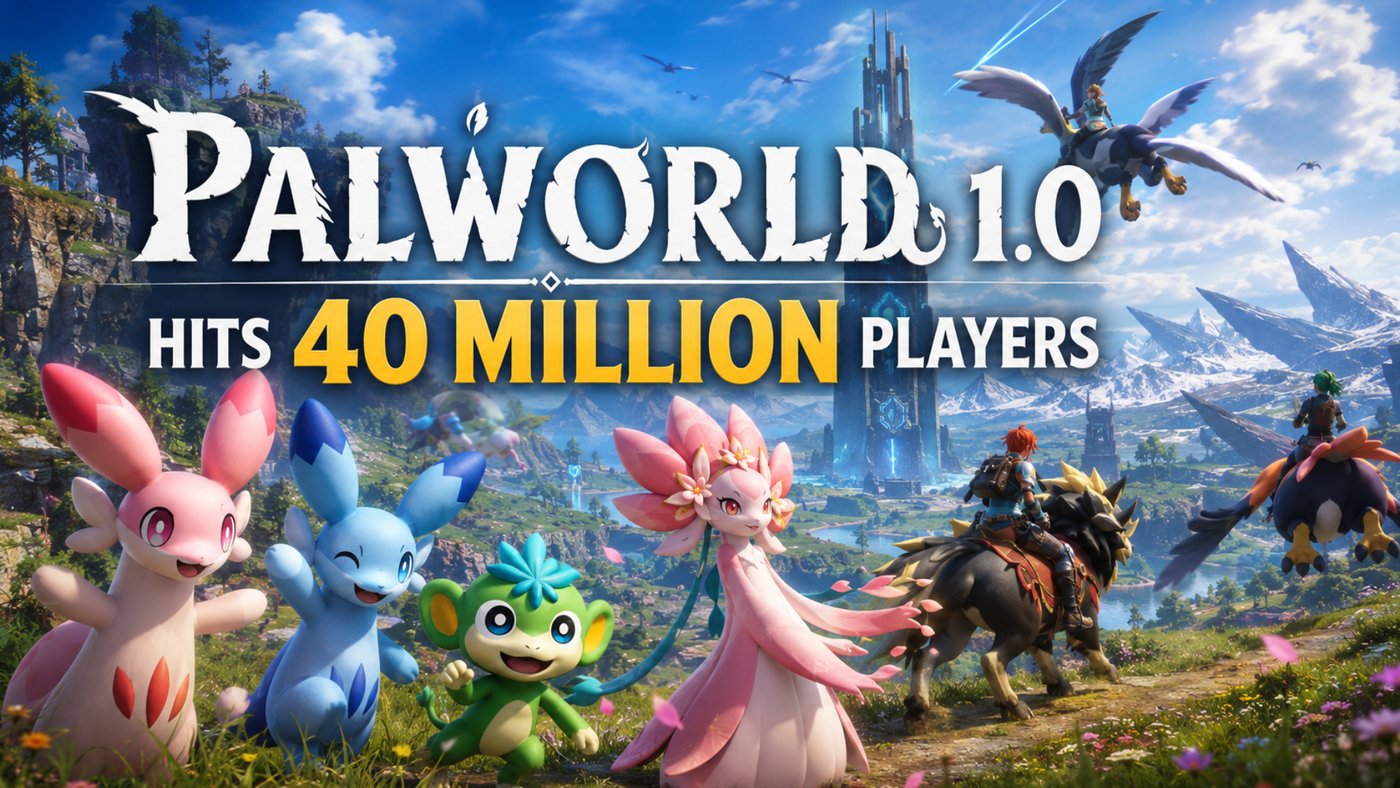
Palworld 1.0 Is Here. The Price Didn't Go Up. And the Game That Wasn't Supposed to Work Just Hit 40 Million Players.
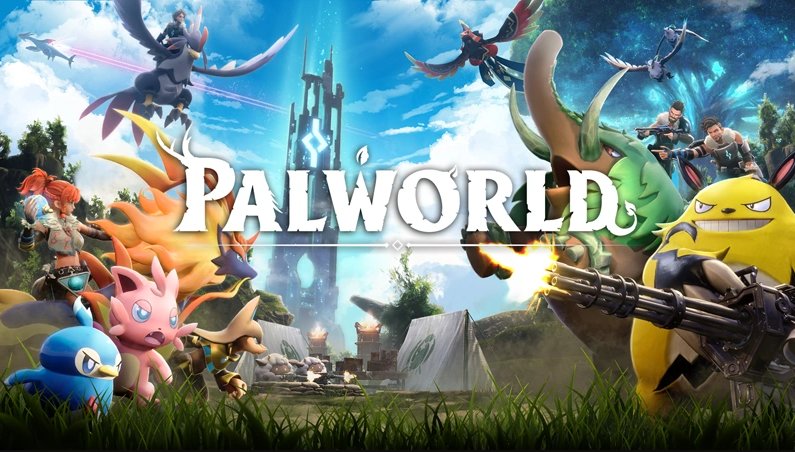
Pokemon with guns sounded dumb on paper. Pocketpair turned it into one of the biggest success stories in gaming. And then they thanked the community by not raising the price.
I'm going to be honest. Palworld was never a game that naturally appealed to me. I watched it blow up in early 2024 from the outside. Saw the clips. Read the discourse. Understood why people were losing their minds over it but never felt the pull to jump in myself. It just wasn't my kind of game.
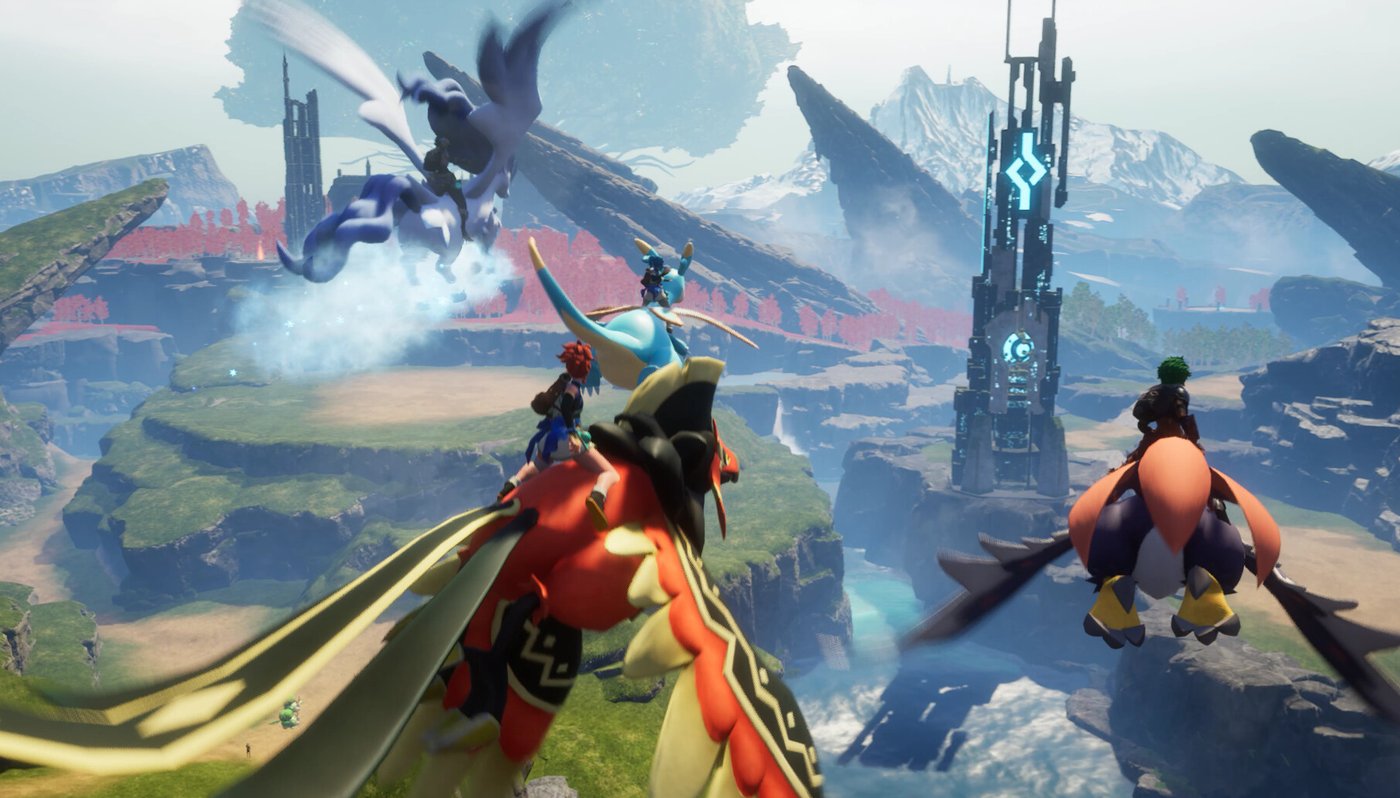
But I've been watching Burnt Peanut and Hutch MF stream the 1.0 release over the last few days and I have to say the breadth of what Pocketpair has built here is something else. The PvP servers running that Ark Survival feel. The base building. The creature collecting with actual depth behind it. The sheer volume of stuff to do. For a game that the internet reduced to "Pokemon with guns" as if that was a joke, the reality of what's in the box is anything but a punchline.
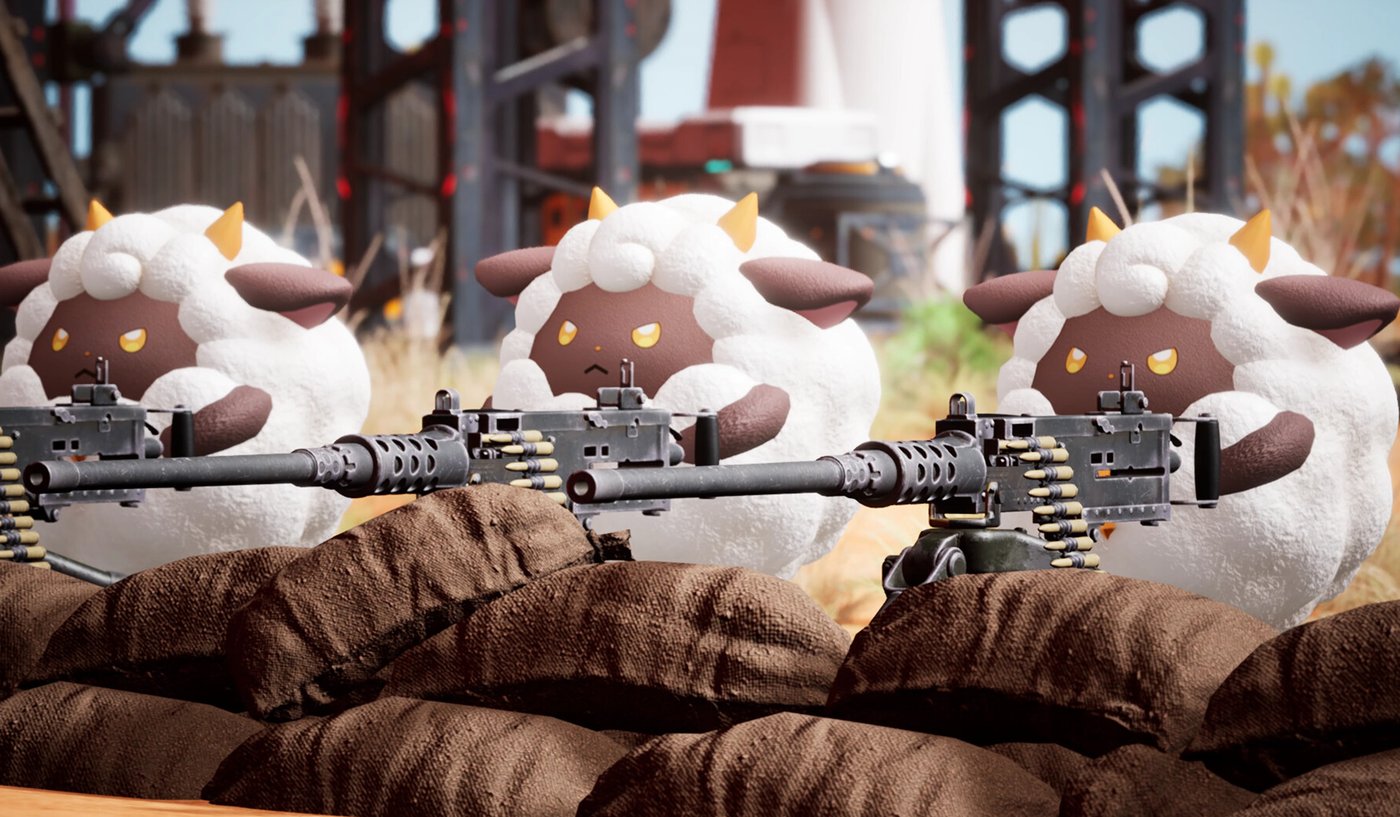
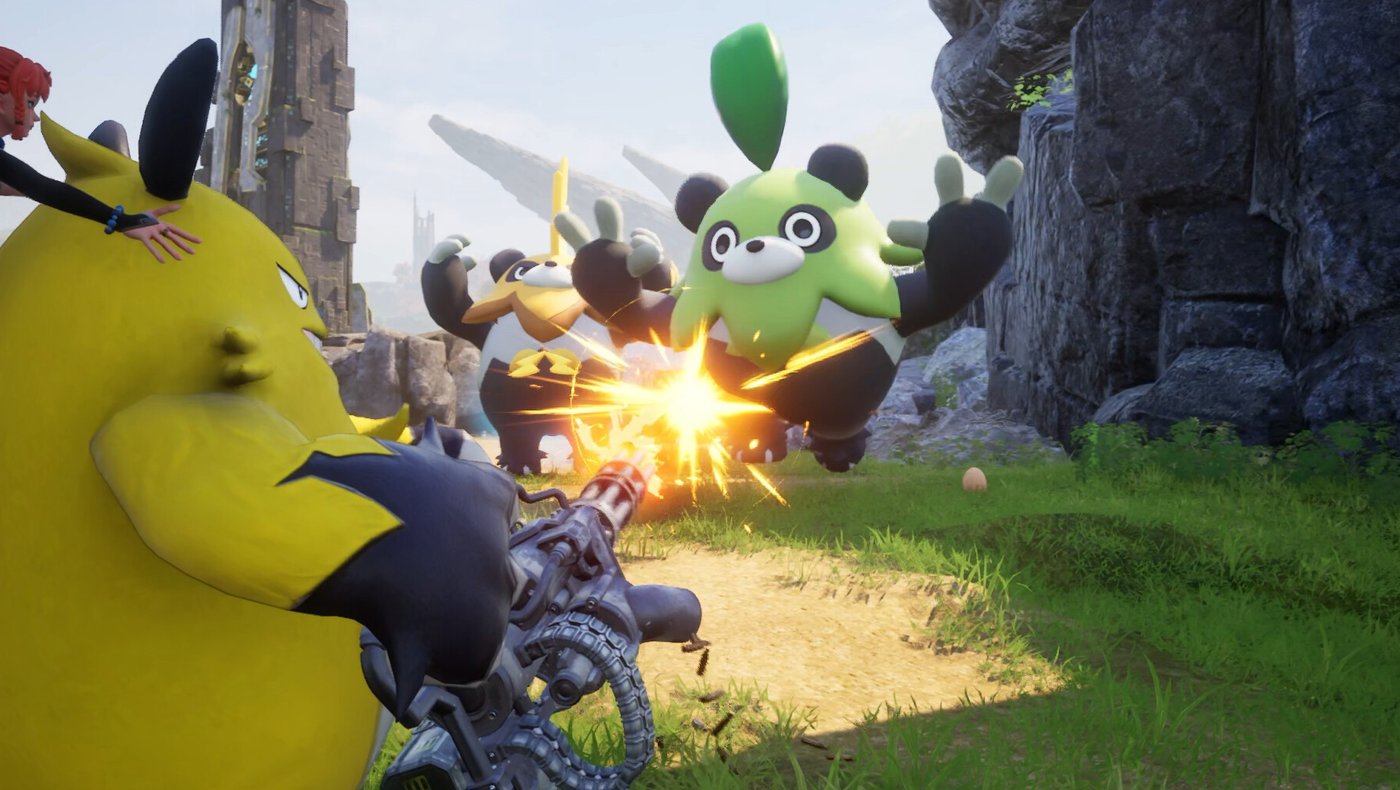
This game was not supposed to happen. I don't even know if it was supposed to be a success at all. The concept on paper sounds ridiculous. You catch creatures that look suspiciously like Pokemon and strap assault rifles to them. That's it. That's the pitch. In any boardroom at any major publisher that idea gets laughed out of the room before the PowerPoint finishes loading.
Pocketpair made it anyway. And 40 million people showed up.
The Price Stayed the Same
This is the part I want to talk about because it matters more right now than it would in any other year.
Palworld launched into early access in January 2024 at $29.99. The Steam page said from day one that the price "may increase at or closer to the official release." That's standard language for early access games. Everyone expected the 1.0 launch to come with a bump to $39.99 or maybe $49.99. It's what almost every early access game does. Valheim just announced it's going from $20 to $30 when it leaves early access later this year.
Pocketpair said no. $29.99. Same price. Full release. Biggest update the game has ever received. 27 pages of patch notes. New explorable World Tree area that has been visible in the skybox since day one but was never accessible. New Sky Islands. The largest batch of new Pals in a single update. A major progression overhaul. Story additions.
All of that for the same price they charged two and a half years ago.
Their statement was simple. "We are incredibly proud of how far Palworld has come. Thanks to the amazing support of our players, it has become a success beyond our wildest dreams. As a small way of saying thank you, we'll be keeping the price at $29.99."
In a year where the PS5 costs $650, the Steam Deck costs $950, AAA games are pushing $80, and GTA 6 is about to test whether $100 is the new normal, Pocketpair looked at a game with 40 million players and 150,000 overwhelmingly positive Steam reviews and decided the right move was to not charge more. Thats not marketing. That's gratitude. And the difference between those two things is something a lot of companies in this industry could stand to learn from.
The Numbers Don't Lie
The Steam charts tell the story better than I can. Palworld had settled into a steady player base over the last year of early access. Peaks during updates. Dips in between. The normal lifecycle of a live game.
Then 1.0 dropped and the numbers exploded. A staggering spike of returning players mixed with new people discovering the game for the first time. The kind of player surge that most games only see on their initial launch day, happening again two and a half years later because the update was that significant and the community response was that strong.
That doesn't happen by accident. It happens because the game is good and because the relationship between the developer and the community is healthy. People came back because they trusted that 1.0 would be worth coming back for. And people tried it for the first time because the price point made it easy to say yes.
A Game That Wasn't Supposed to Succeed
I keep coming back to this because I think it's the most important part of the Palworld story.
This game nearly got sued into oblivion by the most powerful franchise in entertainment. Nintendo and The Pokemon Company came after Pocketpair with everything they had. The internet spent weeks debating whether Palworld was a legitimate game or a shameless ripoff. Coverage was split between people who loved it and people who wanted it gone.
And through all of it, Pocketpair just kept building. Kept updating. Kept listening to the community. Kept making the game better. They didn't panic. They didn't pivot to some safer concept. They took the thing that everyone said was too close to Pokemon and too ridiculous to last and turned it into a game with more depth and more content than anything the franchise it was accused of copying has produced in the last decade. And arguably more fun too.
40 million players. $29.99. A public anti-AI stance in development. A joint venture with Sony Music Entertainment for franchise expansion. Overwhelmingly Positive on Steam. And a 1.0 launch that treated the community like partners instead of revenue targets.
Credit Where Credit's Due
We spend a lot of time on this site talking about what the industry gets wrong. The pricing. The layoffs. The anti consumer decisions. The studios that treat their players like obstacles to their business model. That's the job. That's what EarlyMeta does.
But the other side of that job is recognizing when somebody gets it right. Pocketpair got it right. Not just with the game which is genuinely good. But with the approach. The pricing decision. The transparency. The willingness to keep building instead of cashing out. The anti-AI commitment when it would have been easier and cheaper to go the other direction.
This is what it looks like when a studio earns the right to monetize and then doesn't abuse it. The game sells because people want it. Not because they're being manipulated into needing it.
I still might not be the guy who sinks 200 hours into Palworld. It's still not exactly my lane. But I can recognize something special when I see it. And what Pocketpair has built here, from a ridiculous concept that shouldn't have worked to a 40 million player juggernaut that refuses to raise its price, is one of the best stories in gaming this year.
Share this article
Comments

James Brooke
Founder & Editor
Gaming industry analyst and video editor covering gaming trends, indie games, and industry analysis.
About the author →Related Articles
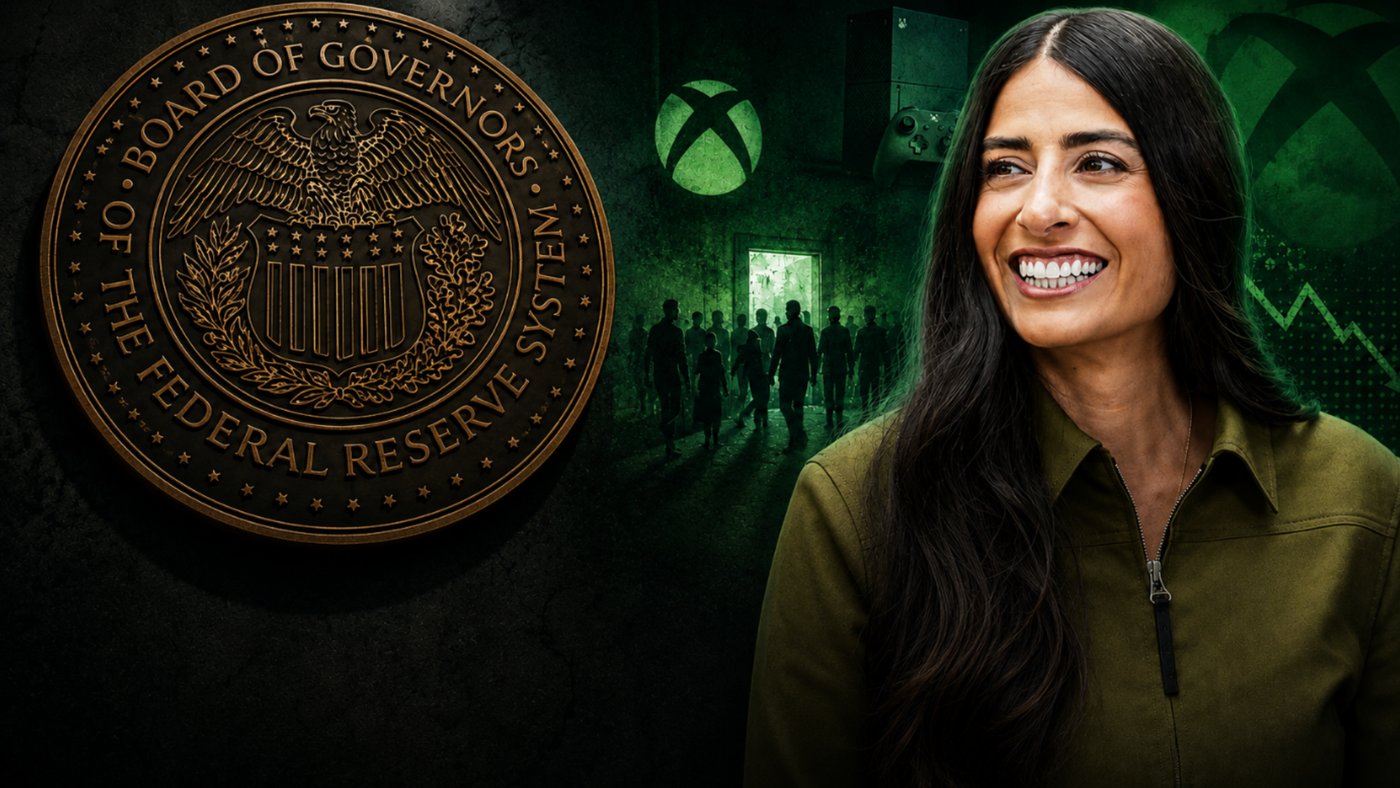
Xbox Just Cut 3,200 Jobs. Three Days Later the CEO Is Advising the Federal Reserve.
3,200 jobs cut. The internal memo published on Twitter. 64 cents lost on every dollar invested. 14 layers of management. And three days later the CEO who did it all is advising the Federal Reserve on jobs. You cannot make this up.
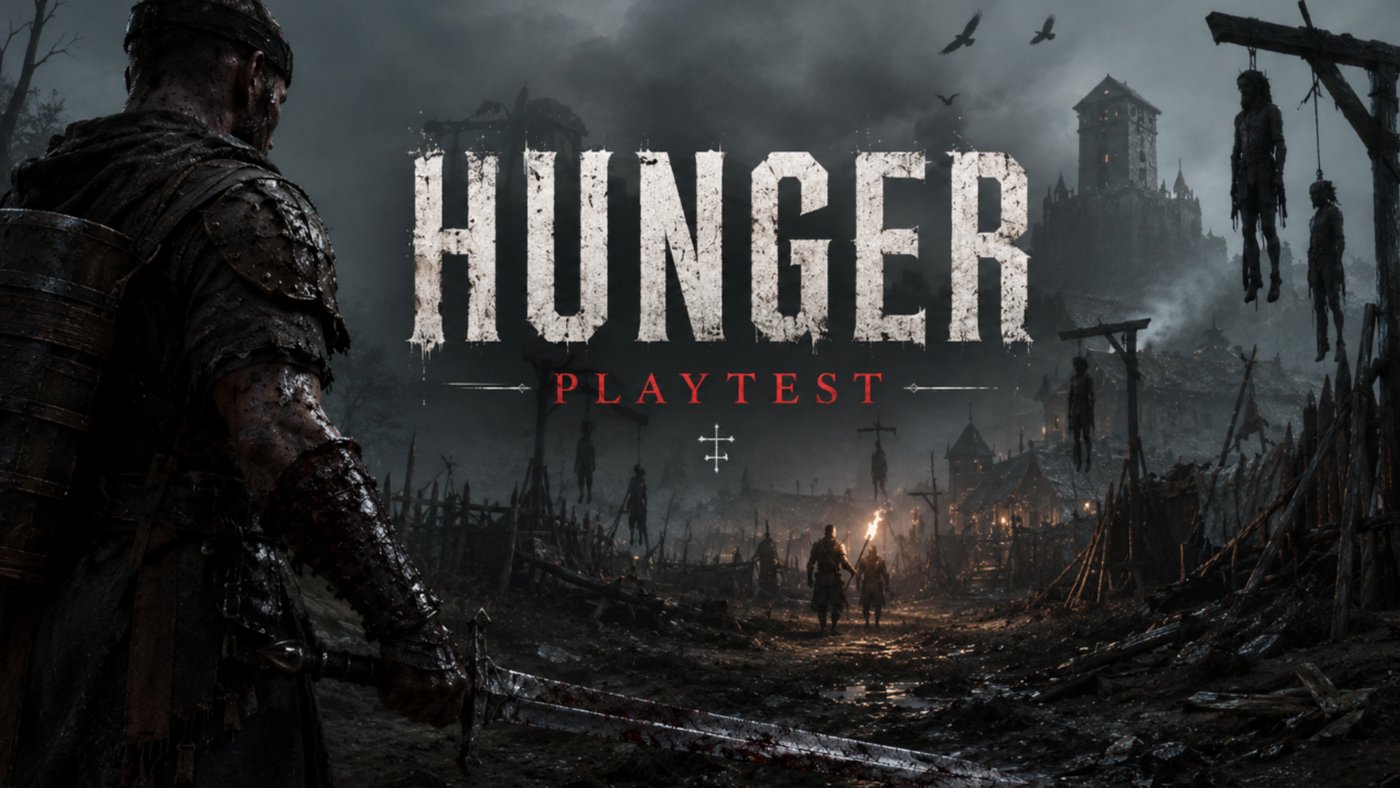
Hunger: The Extraction RPG That Might Finally Get It Right
The team that built Hell Let Loose is back with something completely different. Hunger is an extraction RPG set in Napoleonic Europe and from everything I've seen in the playtest it already looks ready for early access.
Mistfall Hunter Feels Great to Play. The Monetization Framework Should Worry You.
The combat is improved. The world is immersive. The classes are distinct. But behind the Norse veneer is a monetization framework that should give everyone pause. And the studio's real ownership is something they've tried very hard to keep quiet.
You May Also Like
Conquest of Azeroth: The Best New WoW Isn't From Blizzard
21 classes. 70 specs. 30K players per server. 10 hour queues on opening day. The best new WoW experience in years and Blizzard had nothing to do with it. Play it while you can.
Latest Patch Notes in Gaming — Week of July 6–12, 2026
Marvel Rivals pushed three patches in one week. TF2 got six new maps. Diablo IV fixed a Steam Deck crash. Guild Wars 1 got a major skill rebalance in 2026. Ten games patched this week — here's every update.
Moonlight Peaks Is a Vampire Farming Sim That Just Launched to 87% Positive on Steam. For $35.
You play as Dracula's kid who ran away from home to start a farm. You sleep in a coffin. You water crops with magic spells. 87% positive on Steam in two days. $34.99 and no nonsense.