
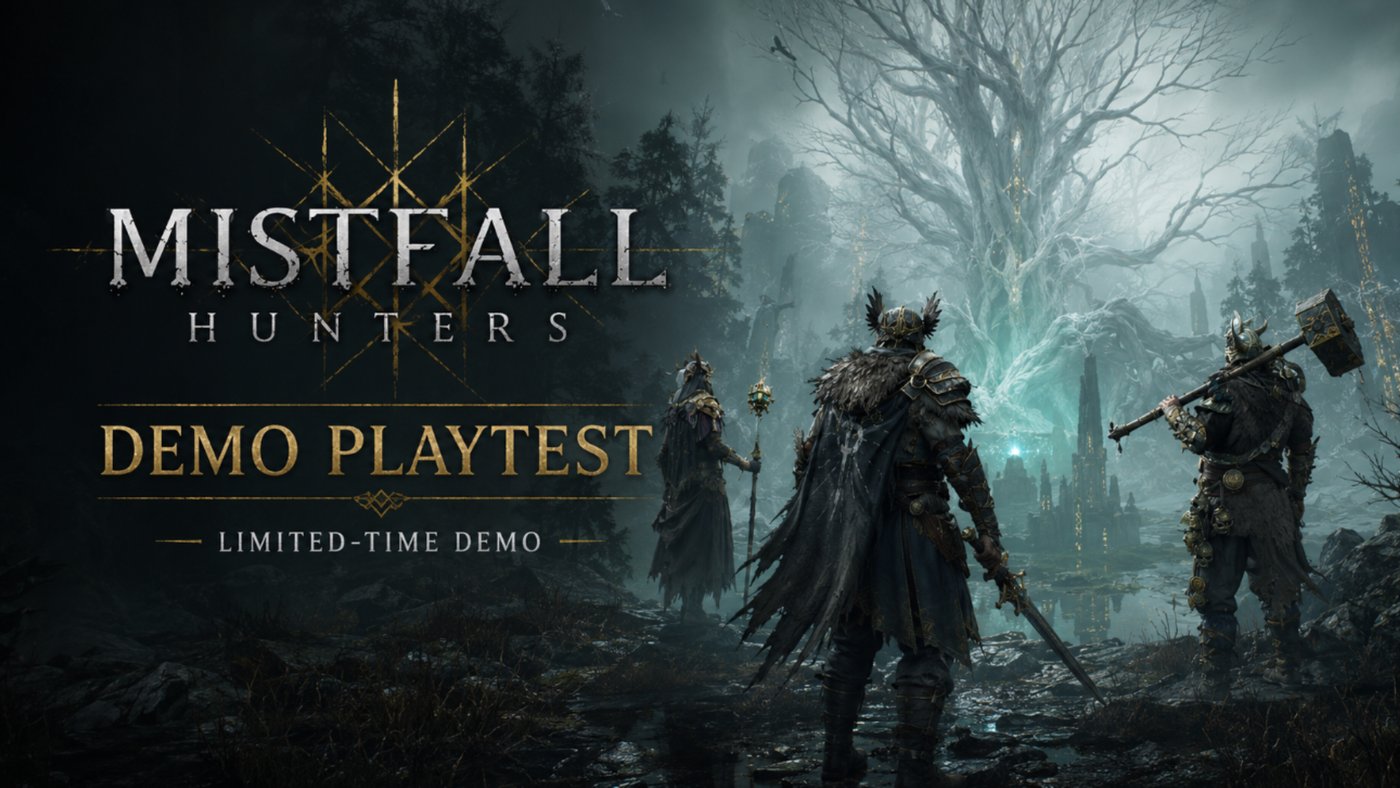
Mistfall Hunter Feels Great to Play. The Monetization Framework Should Worry You.
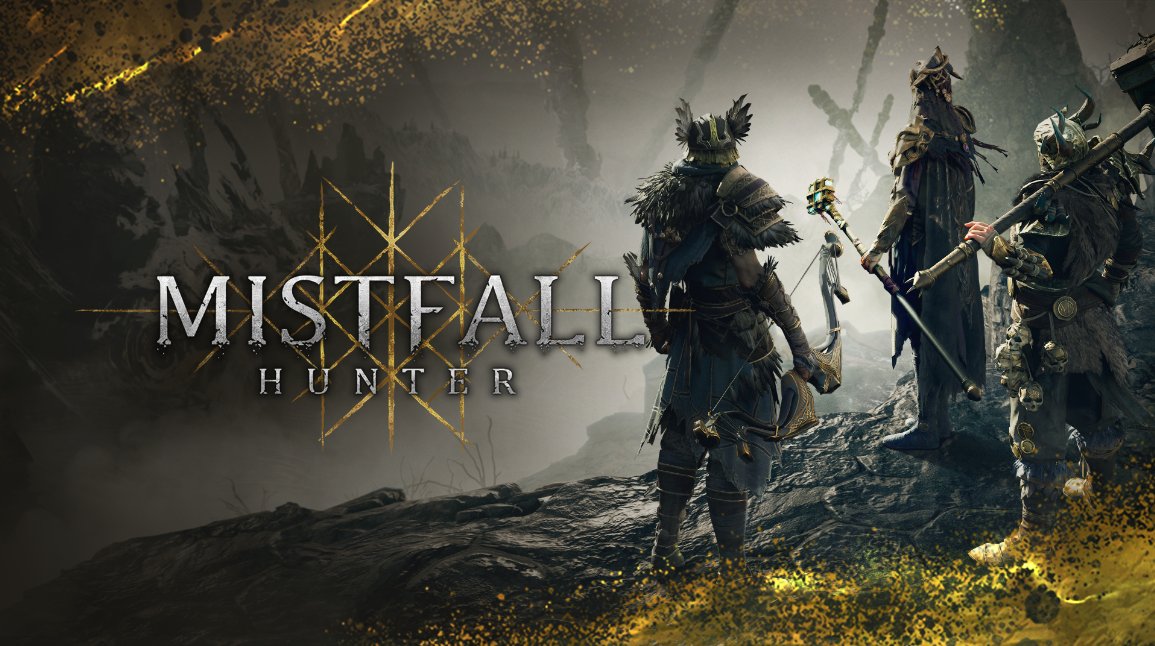
The combat is improved. The world is immersive. The classes are distinct. But behind the Norse veneer is a system architecture that looks a lot like a gacha game waiting to happen.
I've been playing Mistfall Hunter playtests since last year and the game has come a long way. The combat used to feel floaty and disconnected. That's been tuned up significantly. The world has this unique Norse spin that gives off Dark Souls energy without directly copying it. The soundscape and environmental audio are genuinely fantastic. And the classes in the game all feel like they have their own identity and playstyle, which is harder to pull off than it sounds.
On paper, Mistfall Hunter has everything it needs to be the game that finally finds a real audience in the fantasy extraction space. We've been down this road before with other games trying to capture what Dark and Darker has done. Dungeonborn was one of my favorites with true potential that never got to realize it. Legacy: Steel and Sorcery was another that had a real foundation but just didn't catch on. Both are gone. The fantasy extraction genre outside of DaD has been a graveyard.
Mistfall might be the one that breaks through. The gameplay is there. The art direction is strong. But it's not without some serious questions that need answering before you spend money on it.
The Gameplay Has Genuinely Improved
Let me start with what works because there's a lot to like here when you're actually playing the game.
Bell Ring Games has clearly listened to feedback from earlier tests. The combat feels tighter. Attacks have weight to them now. The floaty quality that plagued the earlier builds has been dialed back and what's left is a system that sits somewhere between Dark and Darker's deliberate pacing and something a bit faster and more dynamic. PvE encounters feel fair when the servers cooperate. You can learn mob patterns, space properly, use dodge i-frames, and work through encounters in a way that rewards skill over gear level.
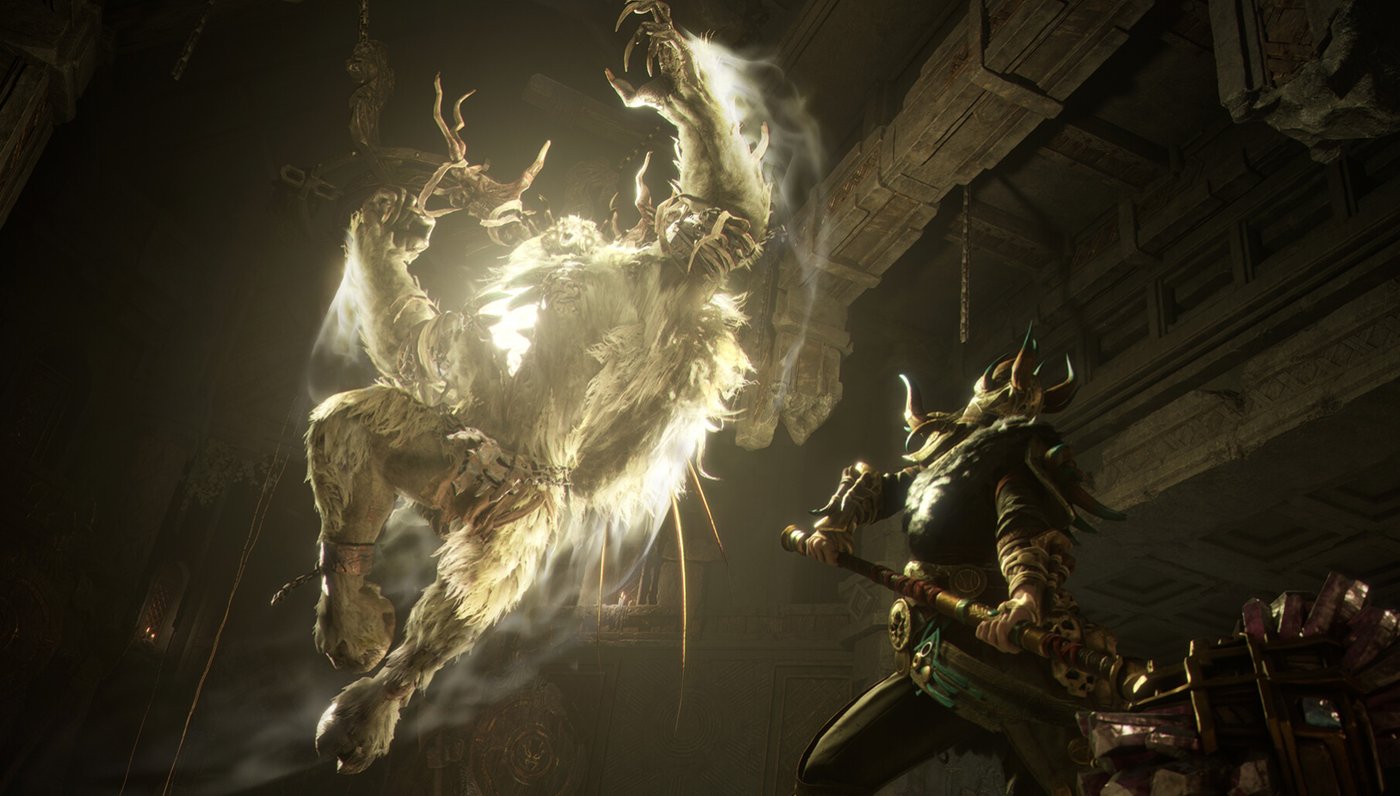
The class design is where the game really differentiates itself from the rest of the genre. There's a Death Knight type with a greatsword who carves runes onto enemies and detonates them with specific attacks. A rogue archetype called the Shadowstrix that blends stealth mechanics with shadow magic. Healers, bruisers, sword and board tanks, ranged casters, rangers. Every class feels distinct in a way that makes you want to try all of them. On top of that, the talent tree system and the gem socketing for gear affixes give you real build depth. You can customize in ways that actually change how a class plays, not just which numbers go up.
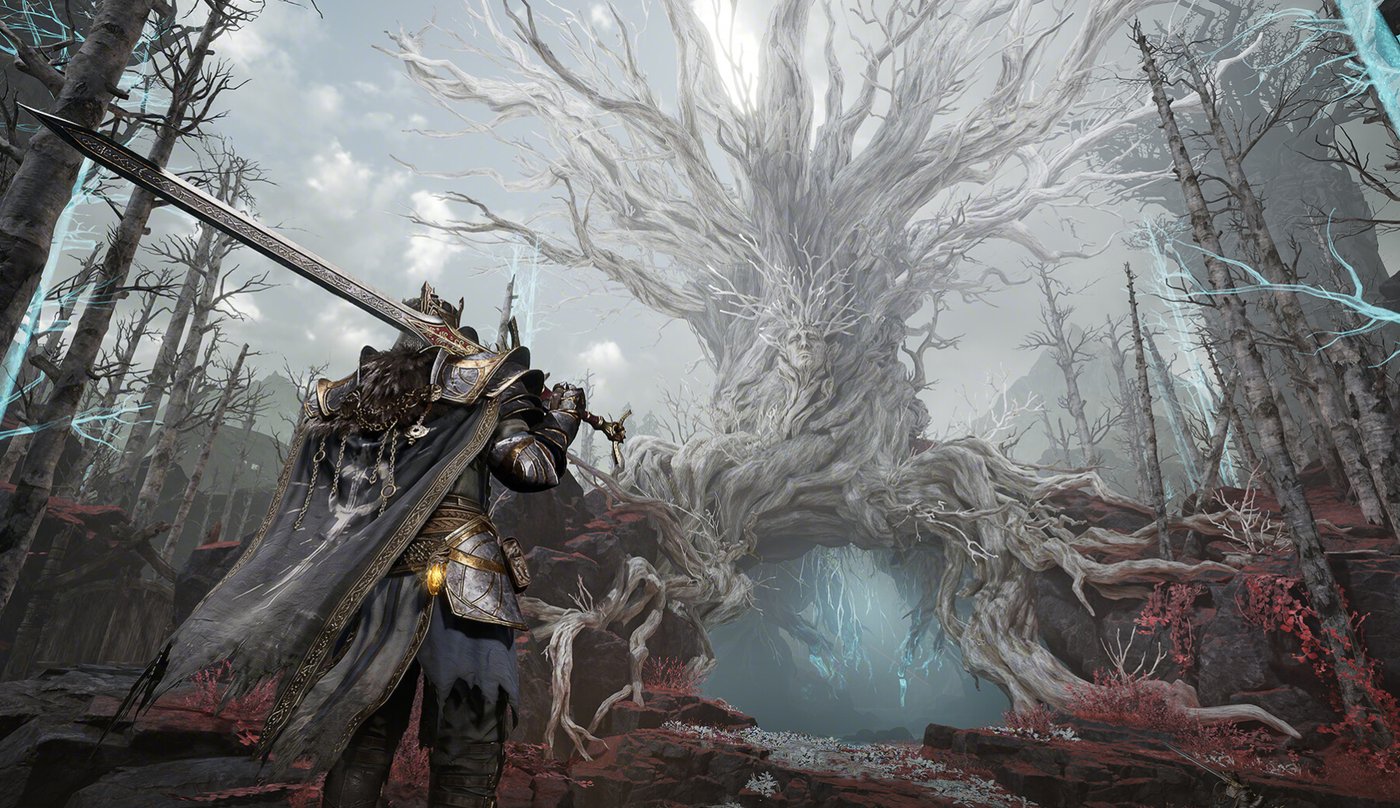
The art direction deserves its own mention. The world looks like post-apocalyptic Norse Dark Souls with an artistic slant toward something like Black Myth: Wukong. The hub area feels like a 14th century Nordic portside village. Runes carved throughout. A white raven perched on the bow of your departure boat. Yggdrasil symbolism woven into the environment. It's pretty. And the soundscape backing it up does a lot of heavy lifting for immersion. The directional audio alone is better than what most games at this stage deliver.
The Gacha Shaped Elephant in the Room
And now we need to talk about what's underneath all of that.
Onepeg on YouTube did a fantastic breakdown of this and I'd recommend watching his full review because he brought receipts that go deeper than what I'll cover here. But the short version is that Mistfall Hunter has several systems baked into it that look like the framework for aggressive monetization.
Daily login rewards through a little creature called Pip who gives you treasures each day. That's a textbook dark pattern designed to create a login habit. Every gacha game on the market uses this exact mechanic.
A cipher system that functions like a loot box framework. You find these legendary drops at random on maps and bring them to an NPC who deciphers them. You get a randomized reward from a listed pool. After 10 attempts you're guaranteed an epic reward. After 20 you get a guaranteed golden item. Thats a pity system. If you've ever played Genshin Impact or any gacha title, you recognize this immediately.
Temporary boosts to your secure container size and key ring capacity. You get a trial during the beta. Try it out, feel the advantage, and then when the real store goes live you know exactly what you'll be paying for. The first hit is always free. Arena Breakout: Infinite did the same thing.
A season pass system already integrated into the beta build.
None of this is confirmed to be pay to win. Yet. Right now, during the playtest, these systems are running on in-game drops only because the store isn't live. But the architecture is there. The framework is built. And when you stack all of these mechanics on top of each other, daily login hooks, pity system loot boxes, temporary paid advantages, season pass tiers, it starts looking very familiar to anyone who has spent time with Southeast Asian mobile titles.
Who's Actually Behind This Game
This is where Onepeg's investigation really matters and you should watch his full video for the complete breakdown.
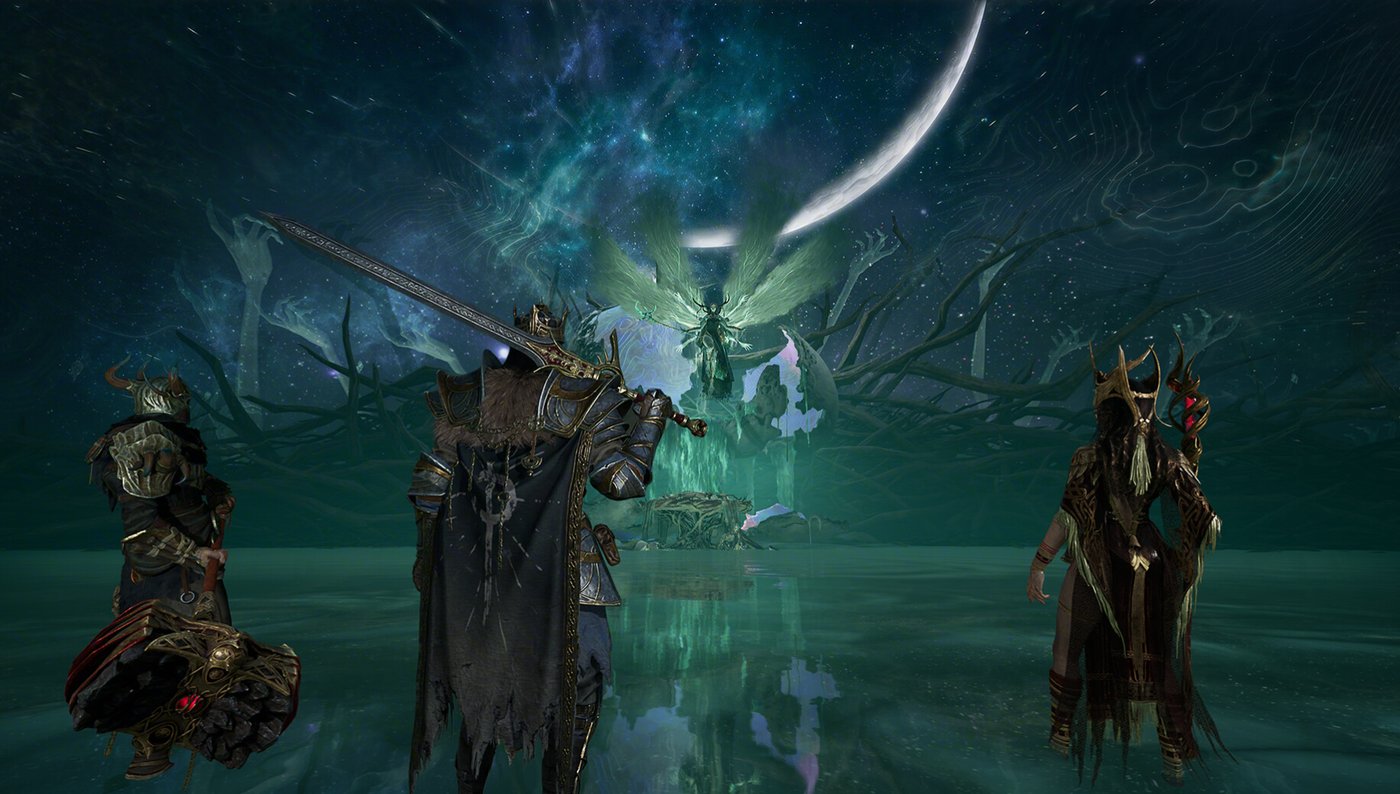
Mistfall Hunter is developed by Bell Ring Games out of Hong Kong and published in the west by Skystone Games. Skystone is run by David Brevik, one of the original Diablo creators, and Bill Wang from Perfect World Entertainment. On the surface, it looks like an indie studio with a credible western publisher.
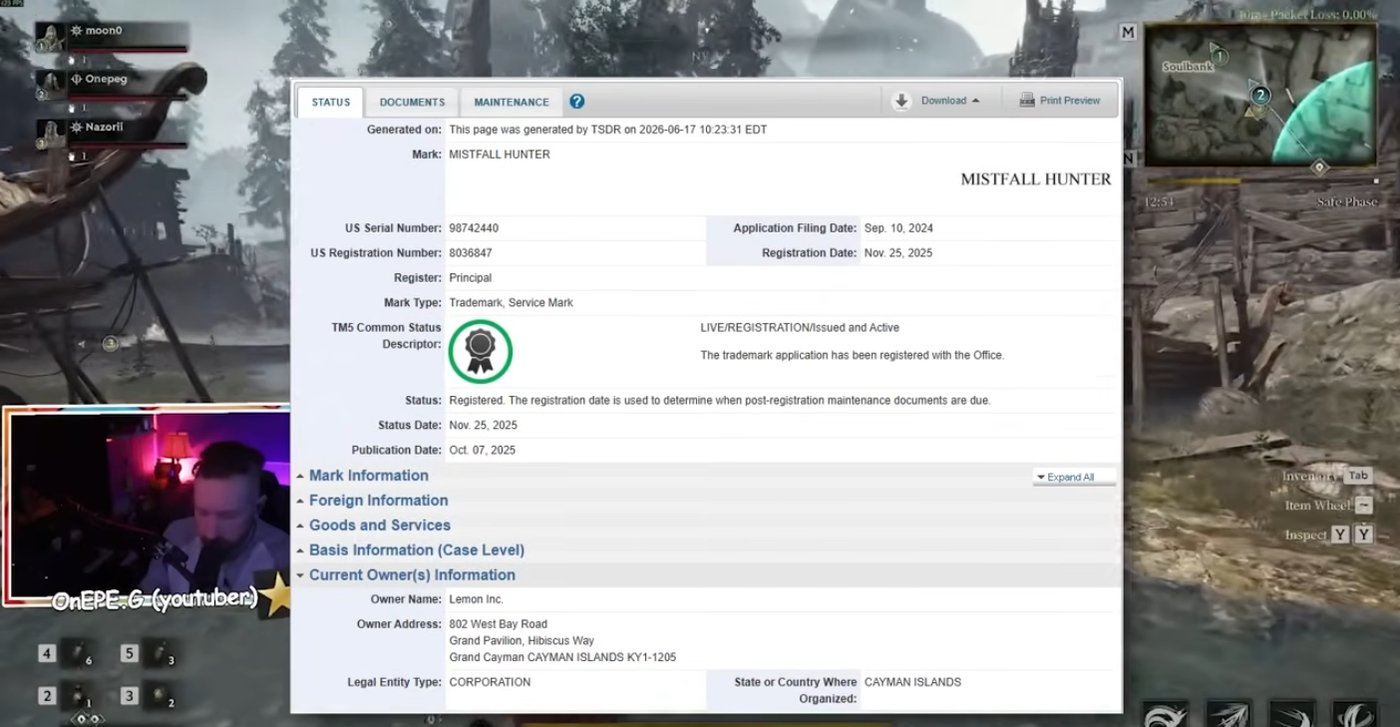
But Onepeg dug into the corporate structure and found something that Bell Ring Games has gone to great lengths to keep quiet. Through a chain of holding companies including Hong Kong Duga Holdings Limited and a Cayman Islands entity called Lemon Inc, the trail leads back to ByteDance. The same ByteDance that owns TikTok and CapCut. The same company that publishes Mobile Legends: Bang Bang, a game known for seasonal cosmetic spending that can run players upwards of $2,000.
Bell Ring Games is a wholly owned subsidiary of ByteDance. Everyone at Bell Ring works for ByteDance. And they've deliberately obscured that connection from the western market.
That doesn't automatically make the game bad. Plenty of good games have corporate ownership chains that players don't think about. But when you combine hidden ownership with a monetization framework that mirrors the most aggressive mobile games on the market, the concern becomes a lot harder to dismiss.
The Bot and RMT Problem Is Coming
I'll say this plainly because I've seen this movie before. Based on the systems in Mistfall Hunter, this game is going to have a real money trading and bot problem. The auction house. The gold economy. The gear with randomized affixes. The extraction loop where loot can be lost or gained. All of it creates the exact conditions that RMT operations exploit.
We watched Tarkov go through this for years. Dark and Darker has dealt with it. Every extraction game with a persistent economy gets hit eventually. And the ones that survive are the ones that build countermeasures early instead of reacting after the damage is done.
Nothing I've seen in Mistfall's current build suggests they're ahead of this. And if ByteDance's track record with mobile monetization is any indication, the priority is going to be revenue systems, not anti-cheat infrastructure. I hope I'm wrong about that.
Where This Leaves Us
I want to be clear because I think this game deserves fairness alongside the skepticism. The developers at Bell Ring seem passionate. The gameplay is genuinely fun when it's working. The class design is some of the best I've seen in the extraction genre. The art and sound are top tier for a game at this stage. If this were a PvE adventure title with none of the monetization baggage, it probably would have cooked.
But we don't get to review the game we wish existed. We review the one that's here. And the one that's here has combat that needs netcode fixes, PvP that has a stun lock meta problem, performance issues with shader stuttering, and a monetization framework that looks purpose built for the kind of spending patterns that ByteDance has perfected across its mobile portfolio.
If you're interested in Mistfall Hunter play the free playtest while it's open. Experience the combat. Try the classes. Enjoy the world. It's worth your time for that alone. But go in with your eyes open about what this game could become after release. Because the framework for what comes next is already built. We just don't know yet how far they plan to take it.
Credit to Onepeg for doing the investigative work on the corporate ownership structure. His full video is linked below and it's worth the watch if you want the complete receipts.
Share this article
Comments

James Brooke
Founder & Editor
Gaming industry analyst and video editor covering gaming trends, indie games, and industry analysis.
About the author →Related Articles
Best Games of 2026 So Far: Where Your Money Is Actually Worth Spending
NPR published their half year list and it read like a Metacritic scroll. This is a real one. 12 games from $6 to $70 that actually earned your money in the first half of 2026.
Palworld 1.0 Is Here. The Price Didn't Go Up. And the Game That Wasn't Supposed to Work Just Hit 40 Million Players.
The concept sounded ridiculous. Pokemon with guns. The internet argued over whether it should even exist. And now it has 40 million players, an Overwhelmingly Positive Steam rating, and the price didn't go up for the full release.
Xbox Just Cut 3,200 Jobs. Three Days Later the CEO Is Advising the Federal Reserve.
3,200 jobs cut. The internal memo published on Twitter. 64 cents lost on every dollar invested. 14 layers of management. And three days later the CEO who did it all is advising the Federal Reserve on jobs. You cannot make this up.
You May Also Like

Best Games August 2026: 5 Headliners and 5 Under the Radar
Game Freak outside of Pokemon. MGS4 finally on modern hardware. Hell Let Loose Vietnam. A Marvel fighting game from Arc System Works. August is the warm up lap before September destroys everything.
Latest Patch Notes in Gaming — Week of July 20–26, 2026
Battlefield 6 put boats in the game. Heroes of the Storm reworked Ragnaros. 2XKO overhauled its Fuse systems. Phasmophobia rebuilt 13 Willow Street. Ten games patched this week — here's every update.
The Mound: Brilliant Co-Op Mechanic, Rough Execution
The insanity system is unlike anything in co-op horror right now. You can't trust your own screen. But the game around that mechanic needs work. If ACE Team keeps building, something special is underneath.