

Heroes of Might and Magic Olden Era: #1 on Steam After a Decade of Ubisoft Neglect
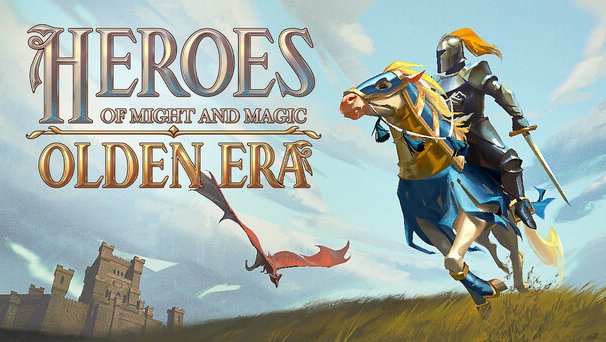
How do you kill one of the most beloved strategy franchises in gaming history?
You don't do it all at once. You do it slowly. You hand it off to studios that don't understand it. You push it toward monetization models that don't fit. You let sequels ship that feel like they were built by people who never played the originals. You let the name collect dust while the community keeps Heroes III alive through mods and custom maps for 27 years because the people who loved this series refused to let it die even when the company that owned it clearly had.
That's what Ubisoft did to Heroes of Might and Magic. For over a decade. And somehow, against every expectation, the franchise just came back from the dead.
Heroes of Might and Magic: Olden Era launched into Early Access today. It is the #1 best-selling game on Steam right now. 91% Very Positive from over 600 reviews in the first hours. 1.5 million wishlists before launch. Being called the best entry since Heroes III. On the franchise's 30th anniversary.
I can't lie. I did not see this coming.
The Right People Finally Got the Keys
Here's why this matters. Olden Era was not built by one of Ubisoft's internal studios. It was built by Unfrozen, a team made up of developers who grew up playing Heroes of Might and Magic. People who understood why Heroes III is still being played in 2026. People who didn't try to reinvent the formula. They studied it, respected it, and modernized it without losing what made it work.
And the publishing setup tells you even more. Olden Era is co-published by Ubisoft and Hooded Horse. If you don't know Hooded Horse, you should. This is the publisher behind Manor Lords, Zephon, and Terra Nil. They've built their entire reputation on identifying great strategy games and giving developers the space to make them. Hooded Horse doesn't chase trends. They find games with clear vision and they support that vision.
The fact that Ubisoft brought Hooded Horse into this project instead of handling it internally is the most self-aware decision they've made in years. They looked at their own track record with the franchise, looked at what Hooded Horse had been doing in the strategy space, and made the right call. Credit where credit's due. That took honesty about their own limitations.
What Olden Era Actually Gets Right
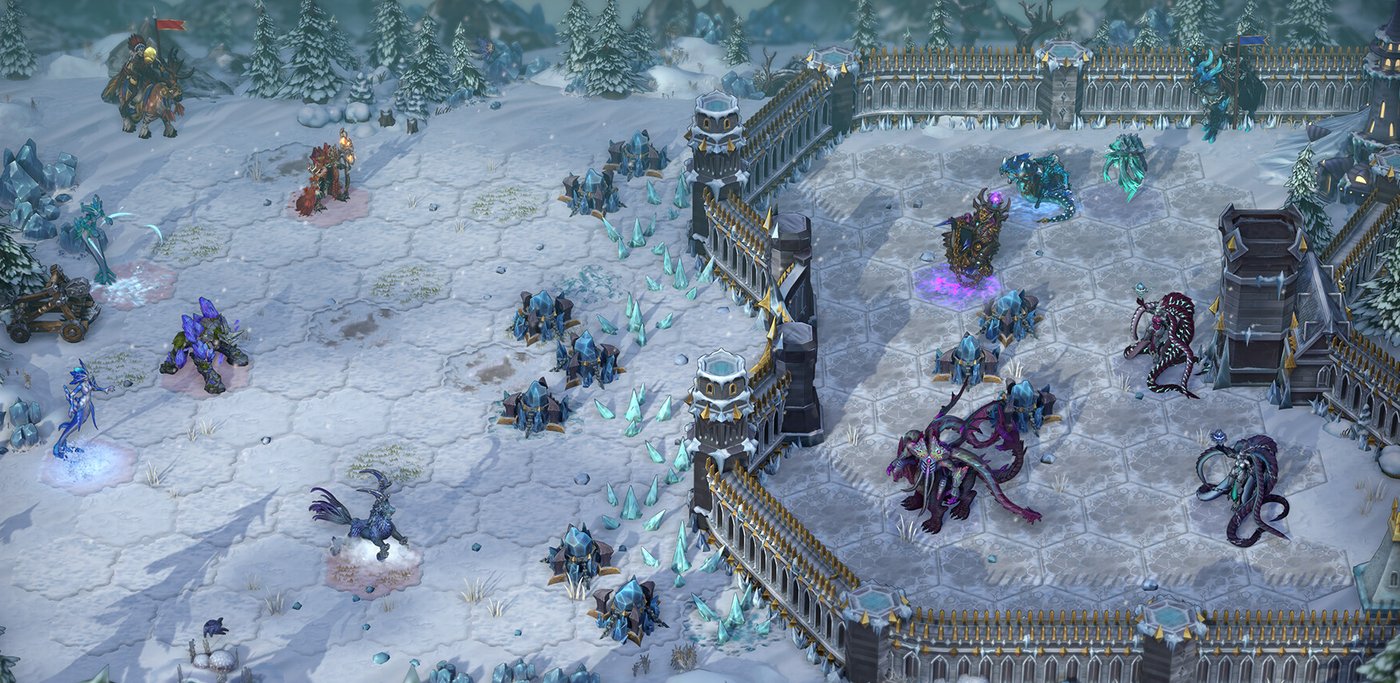
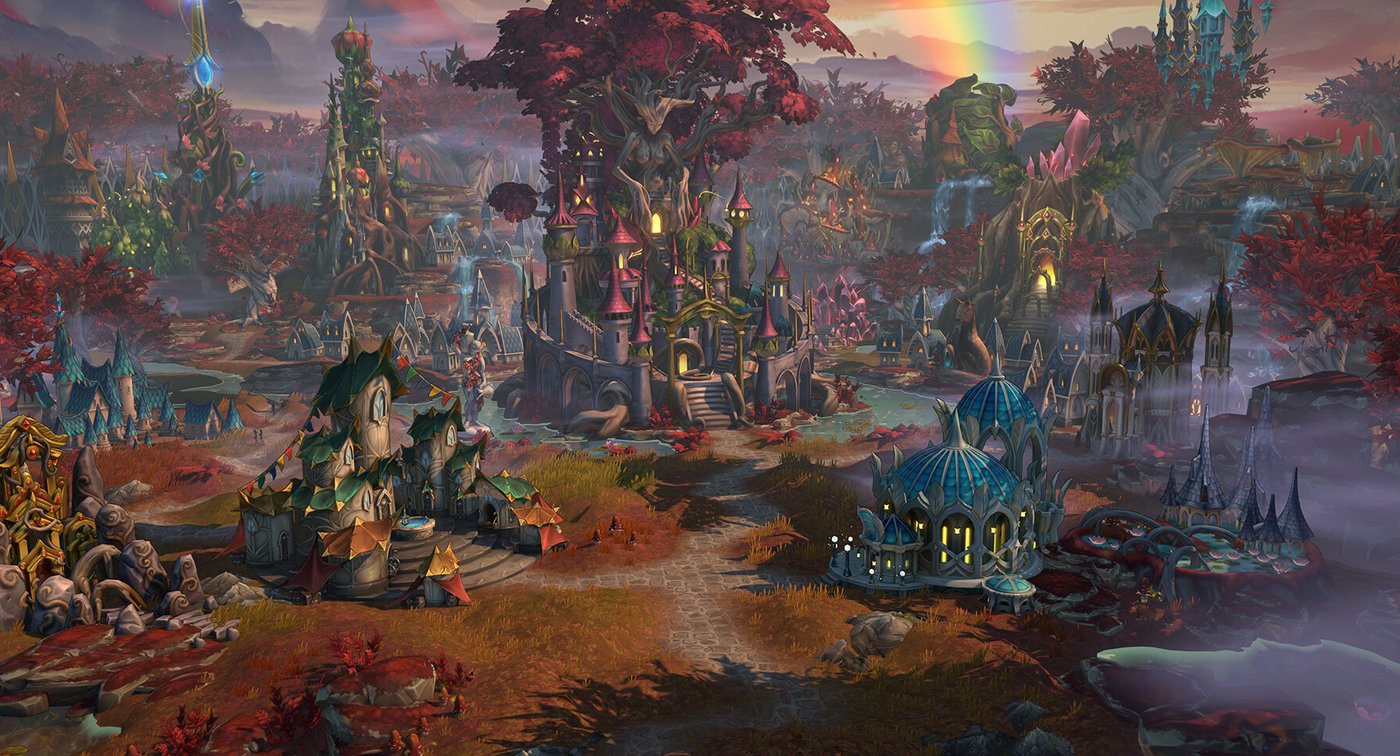
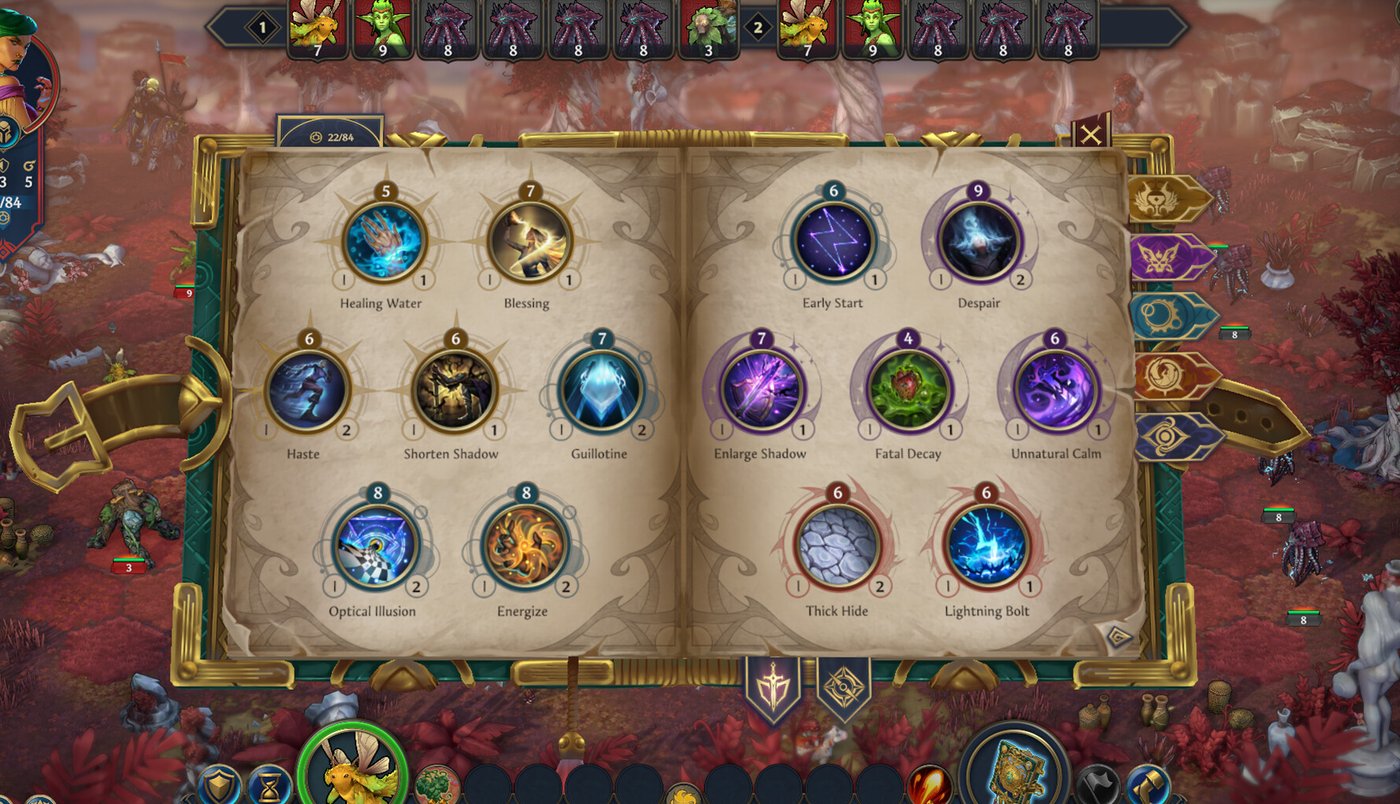
The game is a prequel set in a never-before-seen land called Jadame. Six playable factions at launch. Temple, Necropolis, Sylvan, Dungeon, Hive, and Schism. Each faction plays fundamentally differently, with unique units, heroes, and research trees.
And here's the detail that shows Unfrozen understands this community. The Sylvan faction, a fan-favorite archetype from the classic games, wasn't in the original development plan. The community asked for it. Unfrozen added it based on player feedback during the demo period. That's not a marketing stunt. That's a studio that listens.
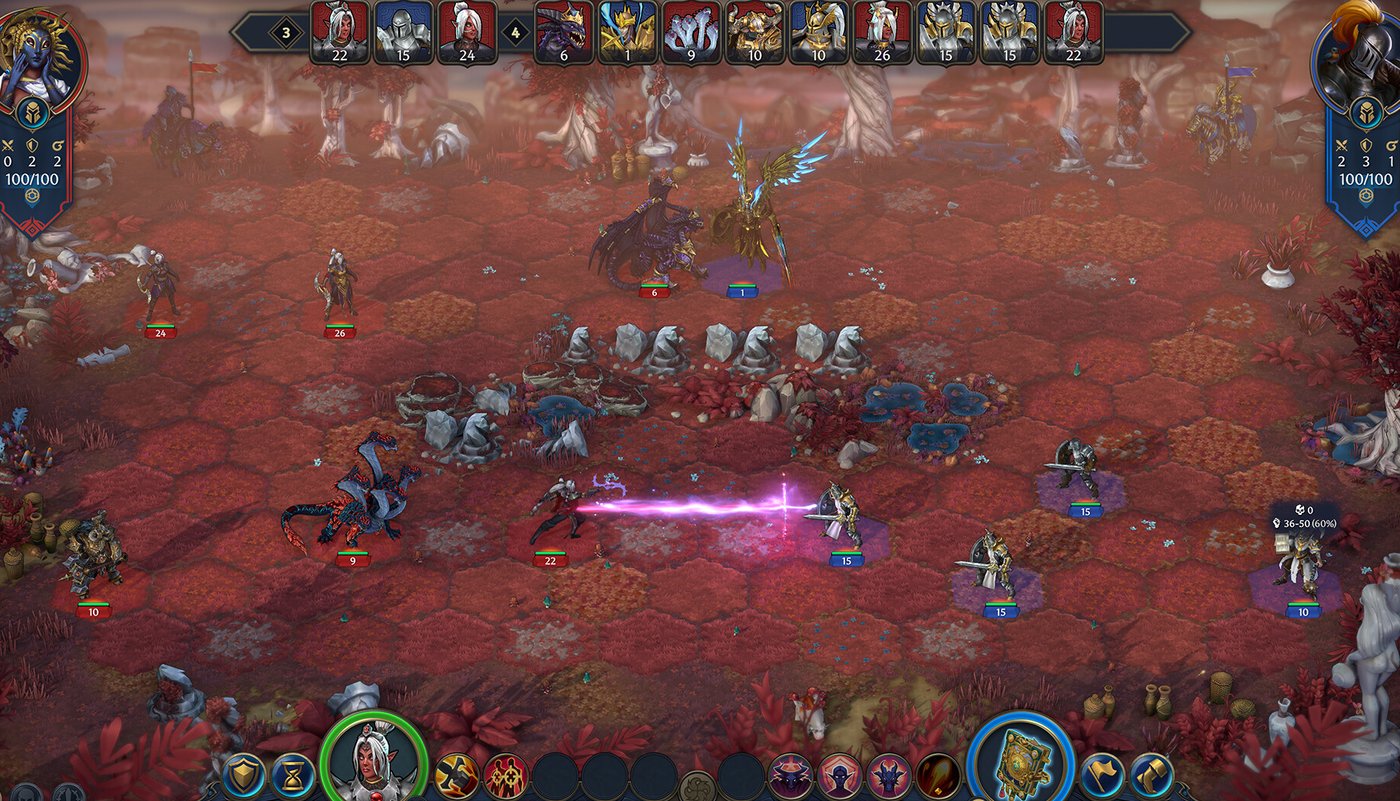
The core loop is exactly what veterans wanted. Turn-based exploration on a strategic map. Resource management. City building. Hero progression. And tactical hex-based combat where army composition, spell timing, and positioning all matter. The formula that made Heroes III one of the most replayable strategy games ever built is intact.
But Olden Era isn't just a nostalgia play. The Faction Laws system is genuinely new. Each faction has a unique research tree where you spend resources to unlock permanent rule changes for that match. Buffing specific units, altering resource efficiency, unlocking new magic. It means that even playing the same faction on the same map twice can lead to completely different strategic paths. That's the kind of innovation that extends replayability without disrupting the core identity.
The art style is a departure. Watercolor and hand-drawn visuals instead of the classic rendered look. It's going to be divisive. Some veterans won't love it. But it gives Olden Era a visual identity that's entirely its own, and in a genre where so many games chase the same aesthetic, standing out matters.
For Early Access, the content offering is substantial. The first act of a narrative campaign. Classic skirmish modes. Single Hero mode. Arena mode. Multiplayer with hotseat support. A map editor already in beta. Randomized scenarios for endless replayability. Reviews are consistently noting that there are dozens of hours of gameplay available right now, which is more than most Early Access games deliver at twice the price.
25% launch discount for the first two weeks. Day one on PC Game Pass. Paul Romero, the composer from the classic Heroes soundtracks, is back alongside Cris Velasco from God of War and Mass Effect. The Heroes Orchestra is providing orchestral arrangements. Even the music pedigree signals how seriously Unfrozen is treating this.
The Ubisoft Question
I need to address this because it's the elephant in the room. Ubisoft's name is on this game. And Ubisoft has spent the last several years becoming a case study in how to erode consumer trust. Rolling layoffs. Studio closures. Live-service failures. The Prince of Persia remake cancellation. Assassin's Creed carrying the entire company on its back while everything around it crumbles.
So how do you reconcile Ubisoft's involvement with a game that's actually good?
The answer is in the structure. Ubisoft owns the IP. They had to be involved. But they didn't build this game. They didn't design it. They didn't impose their typical monetization framework on it. They brought in an external developer that understood the franchise and an external publisher that understood the genre. They stepped back and let the people who cared do the work.
Is that the same as Ubisoft being "fixed"? No. One good decision doesn't erase a pattern. But it does prove that when Ubisoft gets out of its own way, good things can happen. The question is whether they learn from this or whether Olden Era becomes the exception that proves the rule.
#1 on Steam. On a Franchise Left for Dead.
Let that sink in. A turn-based strategy game. A genre that mainstream gaming media has largely ignored for years. From a franchise that hasn't had a good entry since most of its current audience was in middle school. Published partly by a company that's become synonymous with corporate mismanagement.
And it's #1 on Steam on launch day.
That doesn't happen because of marketing budgets. That happens because 1.5 million people have been waiting for this game for a decade. Because the Heroes of Might and Magic community never left. They kept playing Heroes III. They kept making maps. They kept the flame alive through fan patches and mods and tournaments and forum threads that have been running since the early 2000s.
The audience was always there. The franchise just needed someone who respected it enough to build something worthy.
The Pattern Keeps Repeating
I keep writing variations of the same story. And I'm going to keep writing it because the industry keeps proving the thesis.
A beloved franchise gets neglected by a major publisher. The community keeps it alive on its own. A smaller studio with genuine passion for the source material gets the chance to build something. They make the game the fans actually wanted instead of the game a boardroom thought would maximize engagement metrics. It launches. It succeeds. The publisher takes credit.
We saw it with Slay The Spire 2 outselling Crimson Desert. We saw it with Capcom trusting younger developers to build Pragmata. We saw it with Soulmask doing Early Access the right way. We saw it with every indie game that's been outperforming AAA this year.
And now we're seeing it with Heroes of Might and Magic. A franchise left for dead is the #1 game on Steam because the people who finally got to build it were the same people who never stopped playing it.
The formula hasn't changed. Make something you actually care about. Respect the audience that's been waiting. Don't overcomplicate it. Don't chase trends. Just make it good.
Unfrozen did exactly that. Hooded Horse gave them the space to do it. And 1.5 million people showed up on day one to prove that the demand was never the problem.
The franchise was always alive. It just needed someone to stop trying to fix what was never broken.
Here's to hoping they keep it going. Because after 30 years, Heroes of Might and Magic finally feels like it's home.
Share this article
Comments

James Brooke
Founder & Editor
Gaming industry analyst and video editor covering gaming trends, indie games, and industry analysis.
About the author →Related Articles
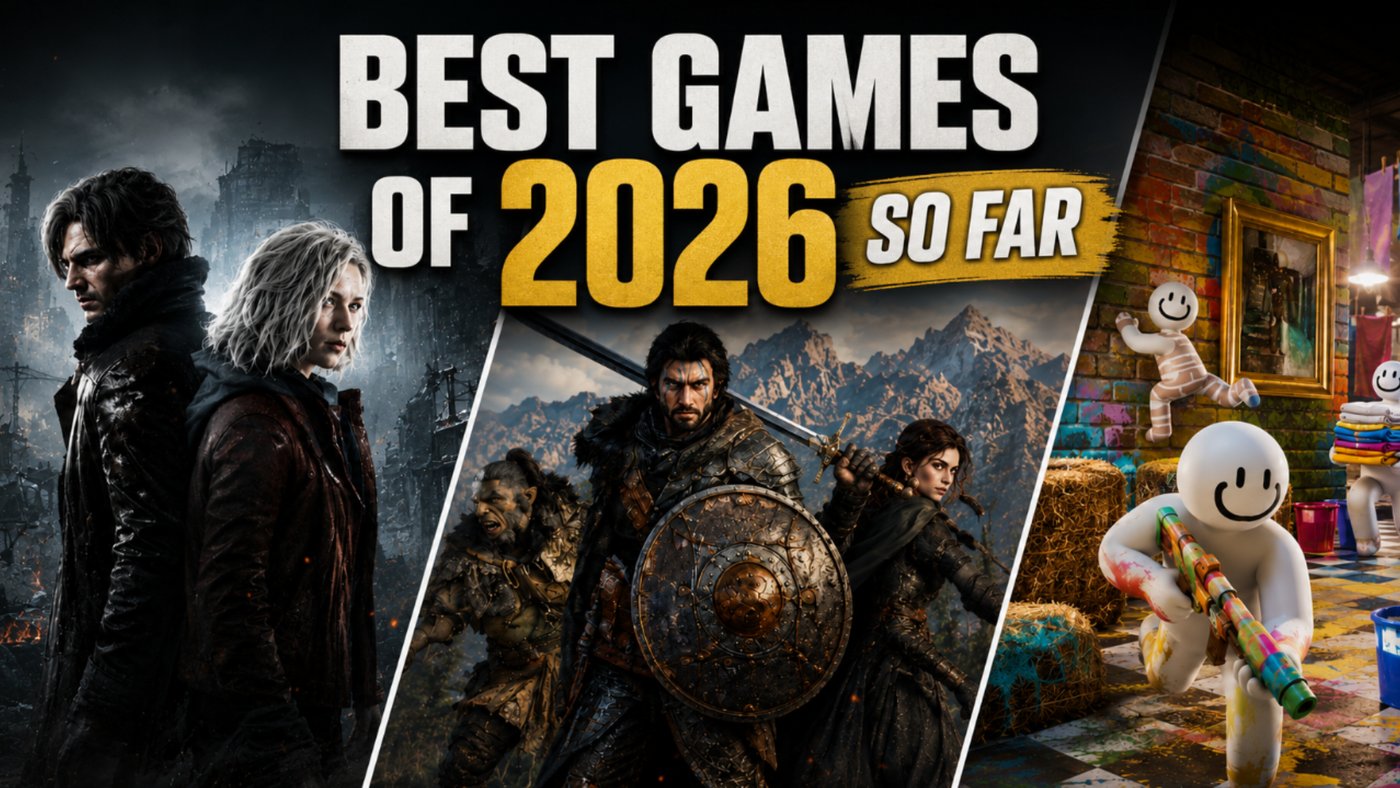
Best Games of 2026 So Far: Where Your Money Is Actually Worth Spending
NPR published their half year list and it read like a Metacritic scroll. This is a real one. 12 games from $6 to $70 that actually earned your money in the first half of 2026.
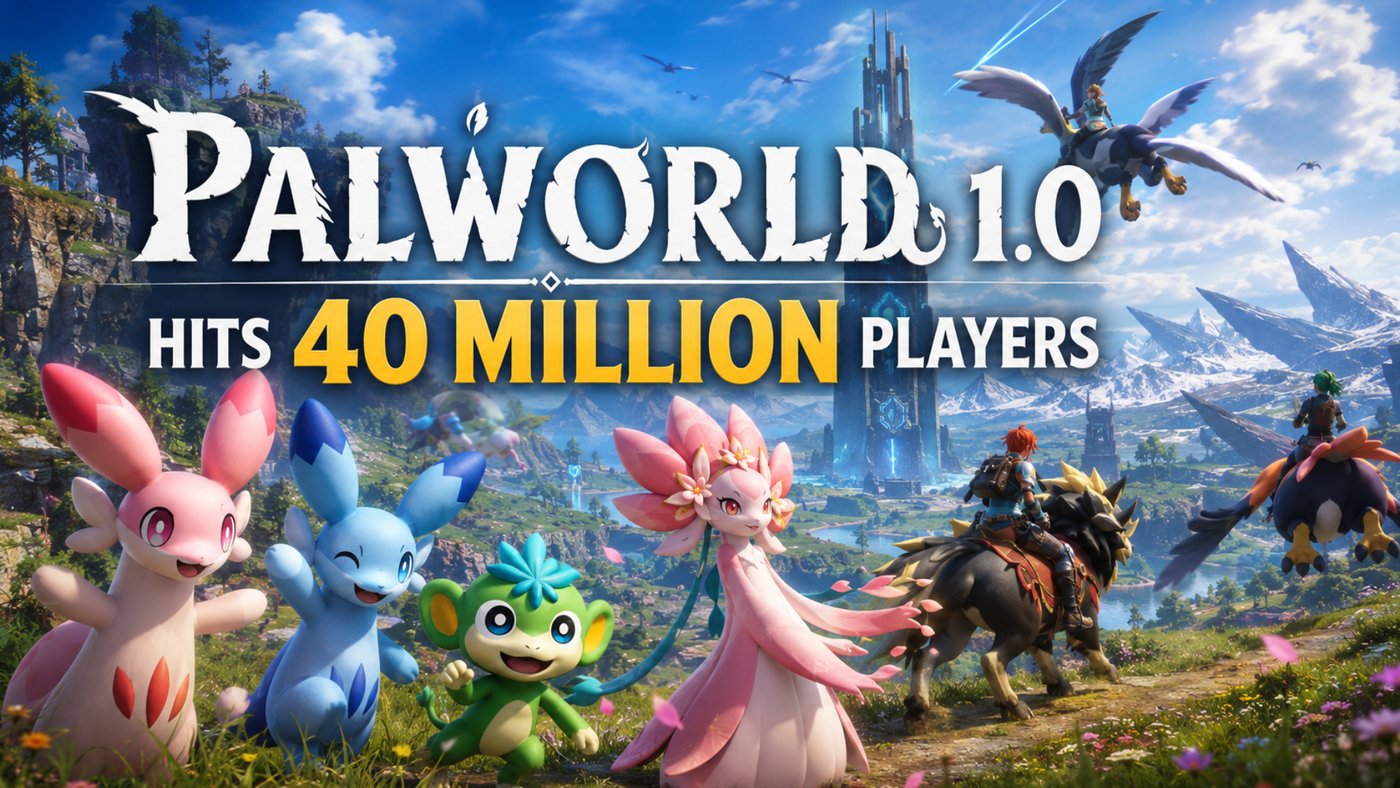
Palworld 1.0 Is Here. The Price Didn't Go Up. And the Game That Wasn't Supposed to Work Just Hit 40 Million Players.
The concept sounded ridiculous. Pokemon with guns. The internet argued over whether it should even exist. And now it has 40 million players, an Overwhelmingly Positive Steam rating, and the price didn't go up for the full release.
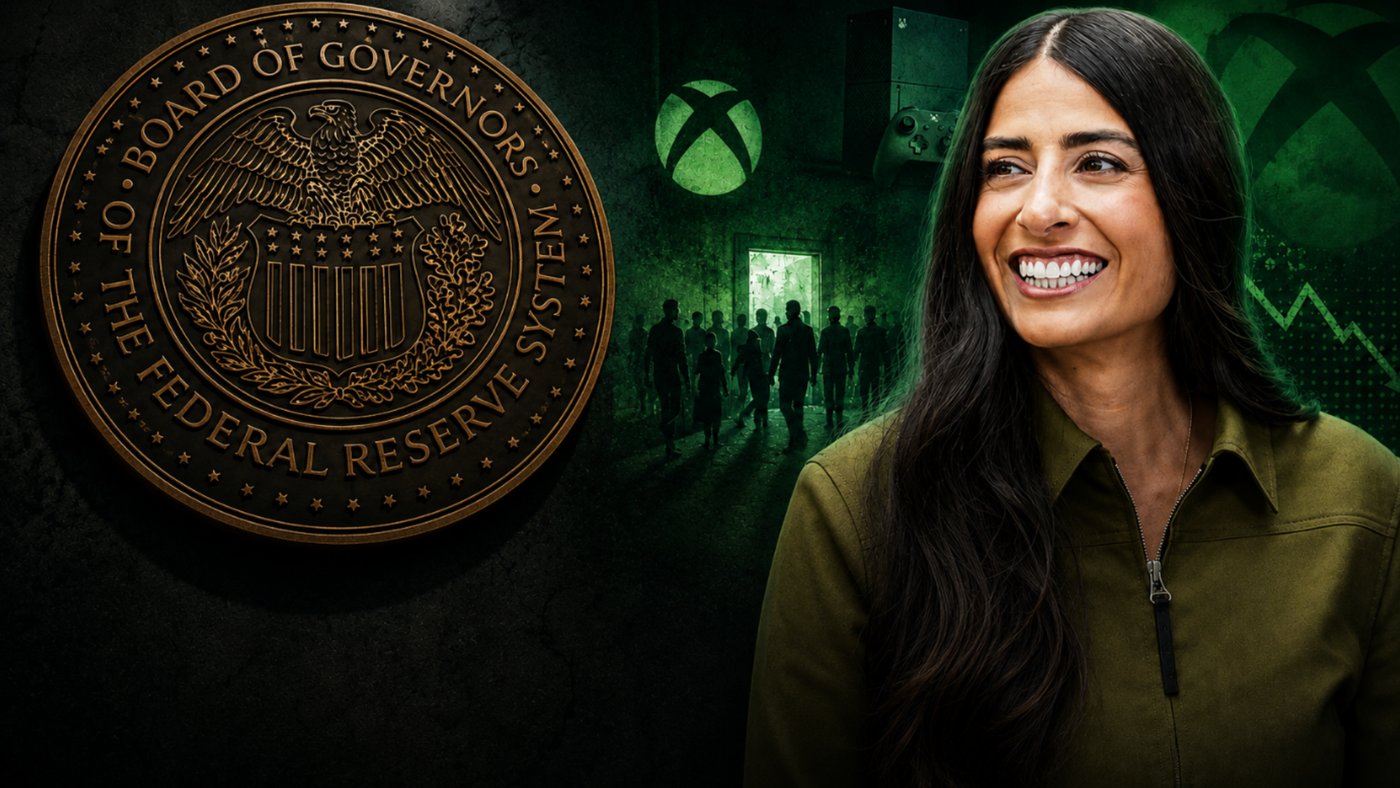
Xbox Just Cut 3,200 Jobs. Three Days Later the CEO Is Advising the Federal Reserve.
3,200 jobs cut. The internal memo published on Twitter. 64 cents lost on every dollar invested. 14 layers of management. And three days later the CEO who did it all is advising the Federal Reserve on jobs. You cannot make this up.
You May Also Like
Best Games August 2026: 5 Headliners and 5 Under the Radar
Game Freak outside of Pokemon. MGS4 finally on modern hardware. Hell Let Loose Vietnam. A Marvel fighting game from Arc System Works. August is the warm up lap before September destroys everything.
Latest Patch Notes in Gaming — Week of July 20–26, 2026
Battlefield 6 put boats in the game. Heroes of the Storm reworked Ragnaros. 2XKO overhauled its Fuse systems. Phasmophobia rebuilt 13 Willow Street. Ten games patched this week — here's every update.
The Mound: Brilliant Co-Op Mechanic, Rough Execution
The insanity system is unlike anything in co-op horror right now. You can't trust your own screen. But the game around that mechanic needs work. If ACE Team keeps building, something special is underneath.