
Best Selling Indie Games of All Time and What the Numbers Actually Mean
The receipts are in. Indie isn't the underdog story anymore. It's the main event.
Indie games made up 58% of all copies sold on Steam in 2024. Revenue from indie titles hit 48% of the platform's total, nearly matching AAA for the first time in Steam's history. The market is projected to reach $10.83 billion by 2031. And the best selling indie games of all time aren't niche curiosities that scraped together a living on the margins. They're commercial juggernauts built by teams so small that most AAA studios would need more people just to staff their cafeteria.
Here are the numbers. And more importantly, here's what they tell you about where this industry is actually headed.
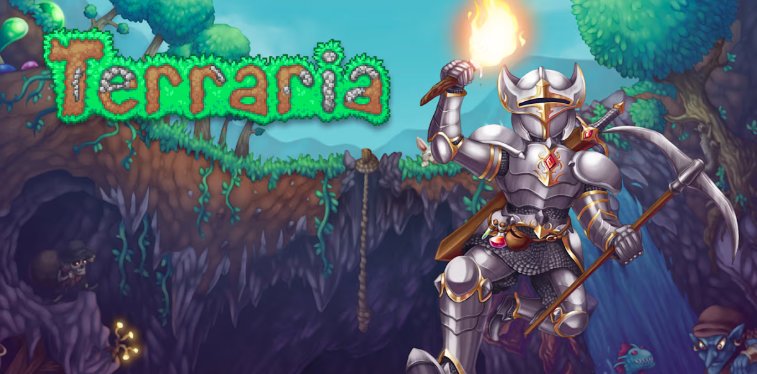
Terraria: 64 Million Copies
Re-Logic's sandbox launched in 2011. A small team. A 2D game that looked simple on the surface but had more depth than most AAA RPGs twice its price. Fifteen years later, it has sold over 64 million copies and generated nearly $549 million in revenue. The developers have continued updating it for free for over a decade. No season passes. No battle pass. No subscription tier. Just a game that kept getting better because the people who made it cared more about the product than the profit model.
64 million. From a 2D side scroller with pixel art. Let that number sit with you the next time somebody tells you that players only care about graphics.
Stardew Valley: 50 Million Copies
One person. Eric Barone. ConcernedApe. Made this game by himself in his bedroom. Every line of code. Every sprite. Every piece of dialogue. Every note of music. All of it from one guy who thought Harvest Moon kept getting worse and decided to fix it himself.
50 million copies sold as of February 2026. No microtransactions. No paid DLC. No in game ads. Every update has been free. The game has generated over $581 million in Steam revenue alone. And Barone is still working on it. Still adding content. Still answering fans directly.
If there is a single game that destroys the argument that you need a massive studio to build something that lasts, it's this one. One person. $581 million. That's not an anomaly. That's an indictment.
Human: Fall Flat: 40 Million Copies
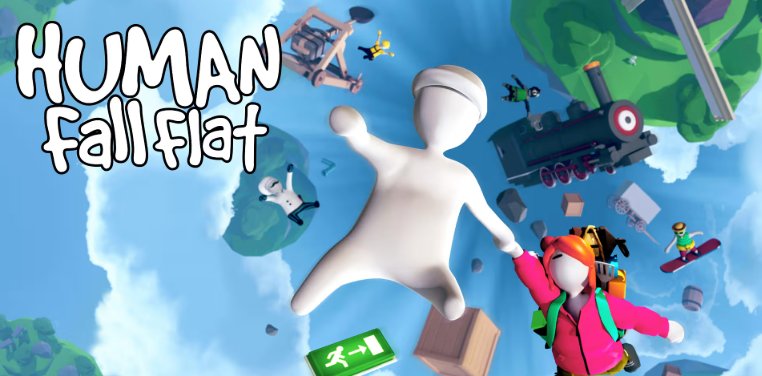
This one flies under the radar in conversations about top selling indie games and that's almost criminal. No Brakes Games built a physics puzzle platformer where you control a wobbly little guy who can barely function. 40 million copies. The game became a co-op staple almost entirely through word of mouth and streaming. No massive marketing push. No celebrity endorsements. Just a fun, goofy game that people kept recommending to each other.
Palworld: 25 Million Copies
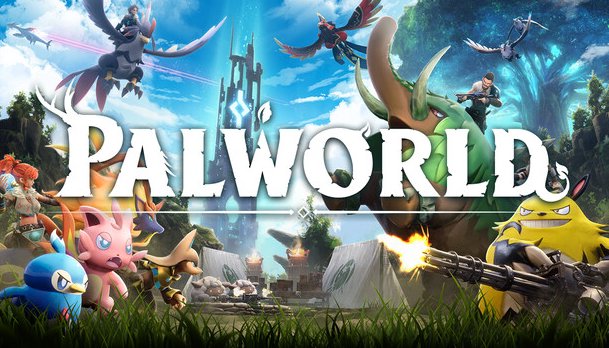
The "Pokemon with guns" game that almost got sued into oblivion and still sold 25 million copies in early access. Pocketpair generated an estimated $500 million in revenue from a game that the internet couldn't stop arguing about. Whether you think it's a genius mashup or a shameless copy, the numbers don't care. Players showed up. In massive numbers. And they showed up for a game that cost a fraction of what Pokemon's parent company spends to maintain the franchise.
Lethal Company: 15 Million Copies
One developer. Zeekerss. A solo developer who built a co-op horror game about scavenging scrap on alien moons to meet a corporate quota while monsters try to eat you. It launched in October 2023 and sold 15 million copies. From one person. Not a studio. Not a team. A person.
The game cost $10 at launch. Do the math on that. And then ask yourself why AAA studios with 500 employees and $200 million budgets can't figure out what players want.
Hollow Knight: 15 Million Copies
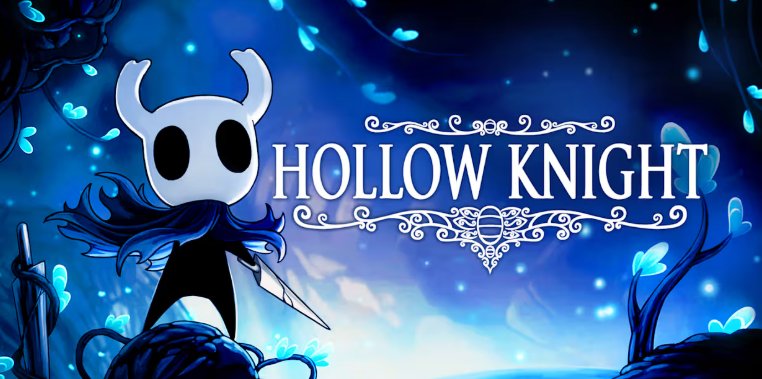
Team Cherry. Three people from Adelaide, Australia. They built one of the greatest Metroidvanias ever made. 15 million copies sold. The art is hand drawn. The world is massive. The difficulty is demanding. And fans have been so desperate for the sequel that Silksong's release date has become one of the longest running jokes in all of gaming.
15 million copies from three people. And studios with hundred person teams are out here shipping games that are forgotten in six weeks.
Valheim: 12 Million Copies
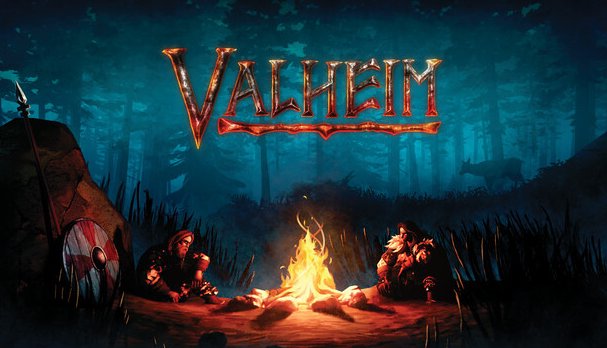
Iron Gate Studio. Five people when the game launched into early access in February 2021. A Viking survival game that hit 3 million copies in its first few weeks and has since crossed 12 million. Five people. Not fifty. Not five hundred. Five.
Valheim proved that you don't need a massive open world with photorealistic graphics to capture an audience. You need a world that feels alive and systems that interact in interesting ways. You need respect for the player's time. Everything else is noise.
Cuphead: 12 Million Copies
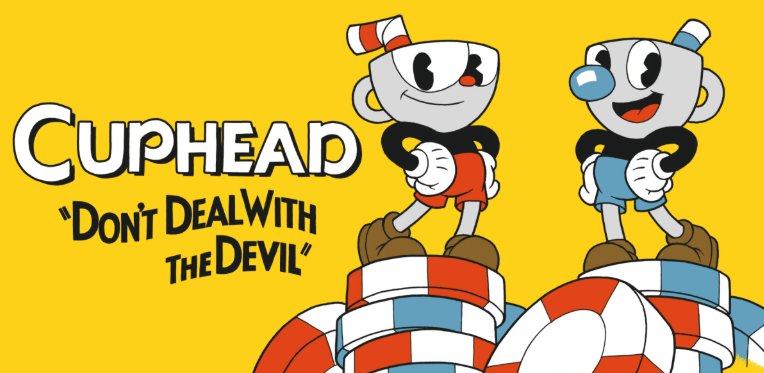
Studio MDHR. A game hand animated in the style of 1930s cartoons. Every frame drawn by hand. The brothers who created it mortgaged their houses to fund development. That's the level of commitment we're talking about. 12 million copies later the gamble paid off in a way that should embarrass every risk averse publisher who has ever killed a creative project because it "didn't test well with focus groups."
The Numbers Nobody Wants to Talk About
Here's the part that makes this data uncomfortable for the big publishers.
The top 10% of indie games account for 83.92% of all indie revenue. That concentration looks extreme until you compare it to AAA, where the top titles absorb an even larger share and the failures burn through hundreds of millions with nothing to show for it. The difference is that when an indie game fails, a small team loses a few years of work. When a AAA game fails, hundreds of people lose their jobs and a studio gets closed. Then a publisher writes off half a billion dollars. We just watched that happen with Bungie.
Indie games hit 58% of total copies sold on Steam in 2024. That number has been climbing every single year. And revenue hit 48% of Steam's total. The gap between indie and AAA revenue share is closing fast. At the current trajectory, indie games will generate more revenue on Steam than AAA titles within the next few years. Not through one blockbuster hit. Through volume and consistency. Through a pricing model that doesn't treat the customer like an ATM.
And look at the team sizes. One person made Stardew Valley. One person made Lethal Company. Three people made Hollow Knight. Five people made Valheim. A small team made Terraria. These are not outliers anymore. They are the pattern. The standard. The proof that you don't need a thousand employees and a quarter billion dollar budget to make something people love.
What This Means Going Forward
Every time I write about an indie game outperforming expectations, somebody in the comments says "well that's just one game." But it's not one game. It never was. its 64 million copies. It's 50 million copies. It's 25 million, 15 million, 12 million. The data has been screaming this for years and the industry keeps plugging its ears.
AAA isn't dying. There will always be room for massive productions with enormous budgets. But the idea that indie is the minor leagues? That small teams can't compete on a commercial level? That players need $200 million worth of production value to be satisfied?
That argument is dead. The receipts killed it.
Share this article
Comments

James Brooke
Founder & Editor
Gaming industry analyst and video editor covering gaming trends, indie games, and industry analysis.
About the author →Related Articles
Conquest of Azeroth: The Best New WoW Isn't From Blizzard
21 classes. 70 specs. 30K players per server. 10 hour queues on opening day. The best new WoW experience in years and Blizzard had nothing to do with it. Play it while you can.
Sony Is Killing Physical Games. Their Own Studio Just Trolled Them About It.
170,000 signatures. Six days of silence. Dominoes making memes. And Insomniac publicly confirming Wolverine gets a real disc while the parent company kills the format. Sony's silence is the statement.

Best Games Coming in July 2026: 5 Headliners and 5 Under the Radar
Two massive remakes drop on the same day. A DOOM expansion. A Splatoon game nobody expected. And enough indie picks to fill the gaps before September obliterates your wallet. Here's what's worth playing in July.
You May Also Like
Latest Patch Notes in Gaming — Week of July 6–12, 2026
Marvel Rivals pushed three patches in one week. TF2 got six new maps. Diablo IV fixed a Steam Deck crash. Guild Wars 1 got a major skill rebalance in 2026. Ten games patched this week — here's every update.
Xbox Just Cut 3,200 Jobs. Three Days Later the CEO Is Advising the Federal Reserve.
3,200 jobs cut. The internal memo published on Twitter. 64 cents lost on every dollar invested. 14 layers of management. And three days later the CEO who did it all is advising the Federal Reserve on jobs. You cannot make this up.
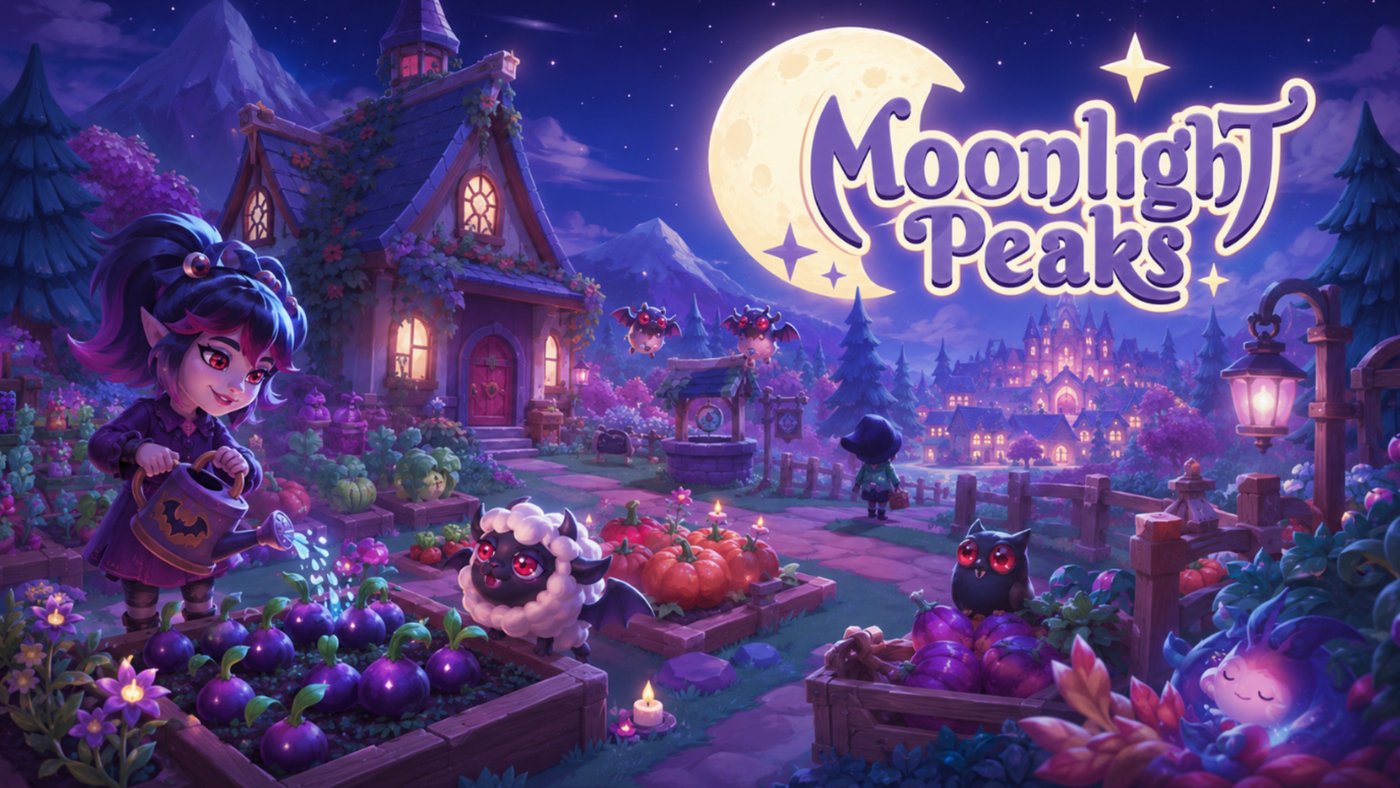
Moonlight Peaks Is a Vampire Farming Sim That Just Launched to 87% Positive on Steam. For $35.
You play as Dracula's kid who ran away from home to start a farm. You sleep in a coffin. You water crops with magic spells. 87% positive on Steam in two days. $34.99 and no nonsense.