

Gray Zone Warfare Comeback: From Mostly Negative to a 1,000% Player Surge
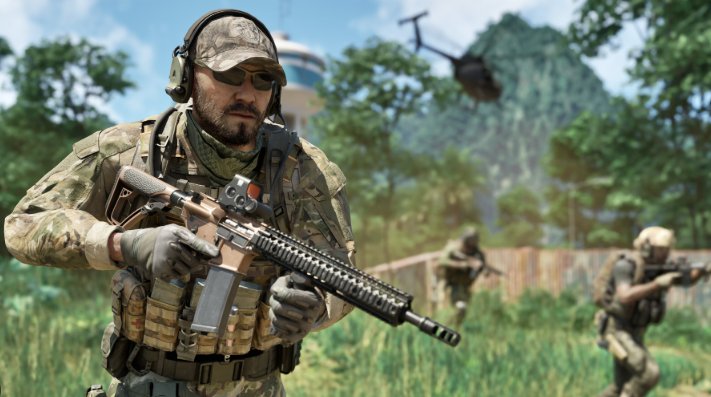
Remember when Gray Zone Warfare launched?
April 30, 2024. The hype was real. A PvE-first open-world tactical shooter on a massive Southeast Asian island. Faction warfare. Extraction mechanics. A beautiful UE5 map that looked like it was ripped out of a military photographer's portfolio. People wanted this to work. The demand was clearly there. Over 72,000 concurrent players showed up on launch week.
And then reality hit.
The performance was brutal. Players with RTX 4090s and top-shelf CPUs were getting double-digit framerates with massive stutters. The AI was genuinely unhinged. Enemies would snipe you from distances that made zero tactical sense, tracking your position through walls and sound with the precision of a guided missile. There was no tutorial, no onboarding, no hand-holding of any kind. You just got dropped into this gorgeous, punishing world and got repeatedly murdered by bots that seemed personally offended by your existence.
The Steam reviews hit Mostly Negative. The player count started bleeding. Within months, the game that peaked at 72,000 concurrent players was sitting under 4,000.
And honestly? A lot of people wrote it off. Another Early Access survival shooter that launched too early and would quietly die in a server closet somewhere. We've seen that story play out dozens of times.
Except that's not what happened.
Madfinger Put Their Heads Down
I need to give credit here because the easy thing to do after a launch like that is panic. Change direction. Chase a trend. Start promising features you can't deliver to stop the bleeding. We've seen studios do that over and over. Say whatever you need to say to keep the lights on and hope nobody remembers when you don't deliver.
Madfinger Games didn't do any of that. They just went to work.
Update after update. Hotfix after hotfix. Each one chipping away at the problems that players were screaming about. Performance optimizations. AI behavior reworks. Server stability fixes. Quality of life improvements. The kind of grinding, unsexy, unglamorous development work that doesn't make headlines but is the only thing that actually matters when your game is on life support.
And then, at the end of March 2026, they dropped the Spearhead update. Version 0.4. And everything changed.
Spearhead Is a Different Game
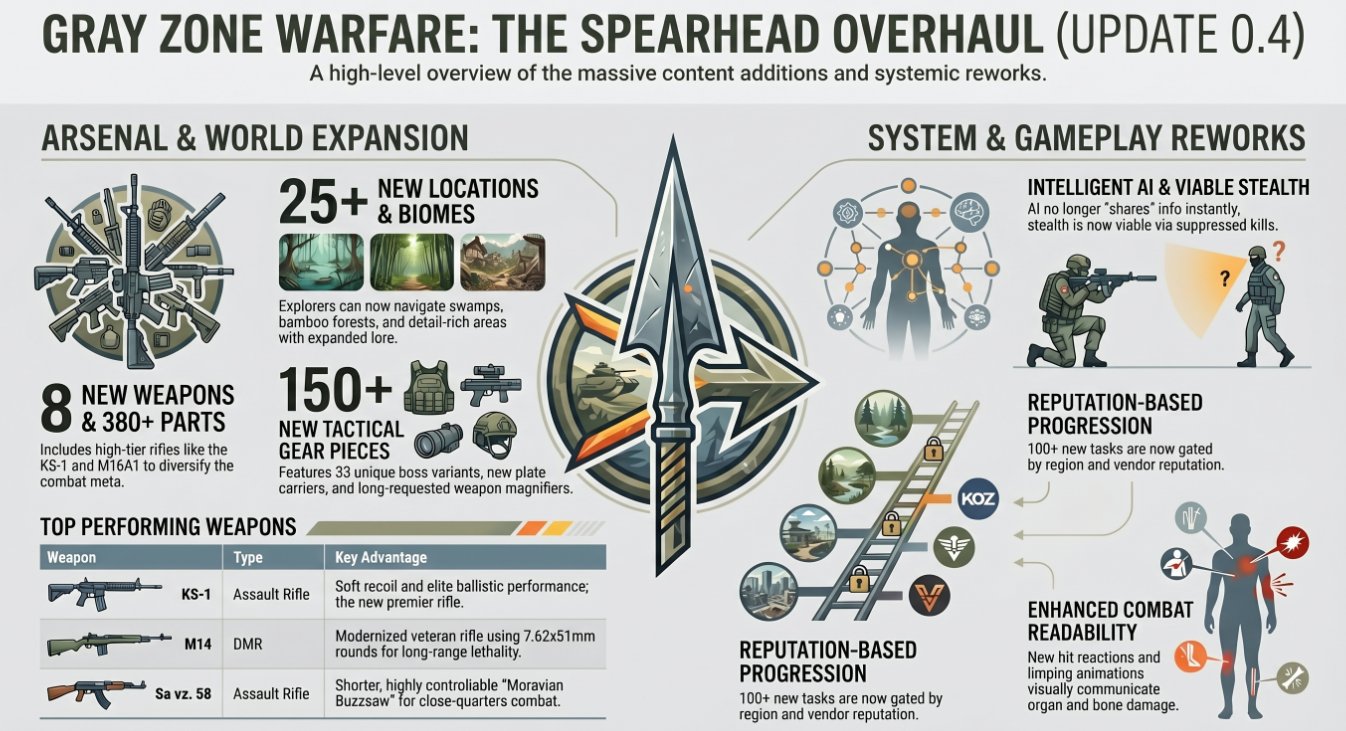
I'm not being dramatic when I say the Spearhead update turned Gray Zone Warfare into something that barely resembles what launched in 2024. Madfinger themselves called it "a new beginning," and based on what the community is saying, that's not marketing fluff.
The AI got a complete rework. Enemies are less precise at distance now. They're not tracking your position through walls anymore. Sound reactions are less robotic. They use cover more intelligently. They operate in groups with actual tactical behavior. Silent kills are more effective, meaning stealth actually works. New enemy roles like bodyguards and sergeants add variety to encounters. The AI still has issues, players are noting that enemies sometimes stand still while you headshot their buddy, but the delta between launch AI and Spearhead AI is massive. You're no longer getting sniped by an omniscient bot from 400 meters through two buildings. That alone changes the entire feel of the game.
The task system got overhauled with 100 new tasks and contracts, plus 50 updated existing ones. Tasks now feature puzzles and world interactions instead of just "go here, shoot this." Rewards favor money over specific items, giving players more freedom to build their loadouts. The world expanded with over 25 new locations, plus rebuilt and polished existing areas.
Eight new weapons. Over 380 weapon parts. More than 150 gear pieces. Rebalanced ballistics. An updated health system. Improved sound design. Better movement with tactical sprint, emergency sprint, and reworked jumping. A tutorial and Field Manual for new players so you're not just getting dropped into the deep end with no context.
And the performance. The performance improvements are what brought people back more than anything else. The game runs better. Not perfectly. Server performance can still cause skipping that pulls you out of the immersion. But the days of 4090 owners struggling to hold 60 frames are over.
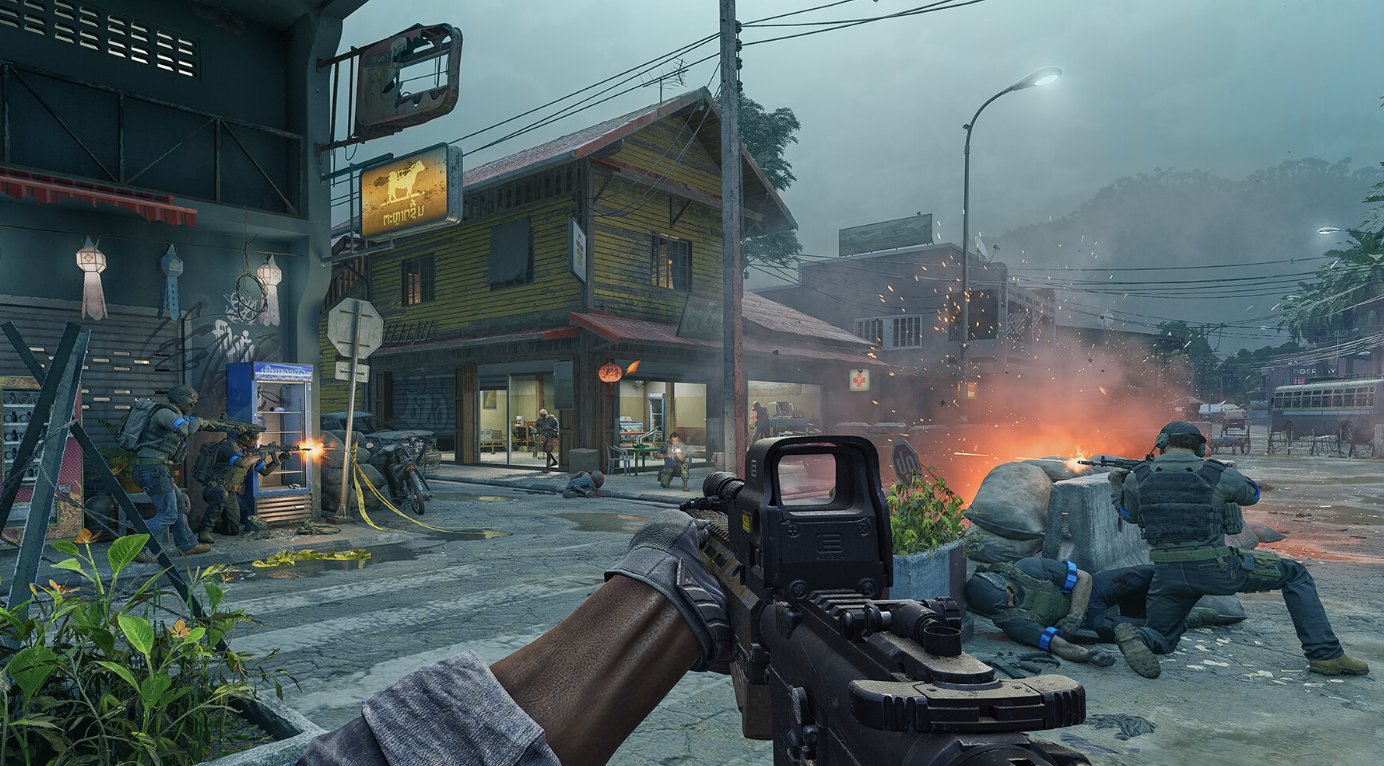
The Numbers Don't Lie
Here's where the comeback story gets real.
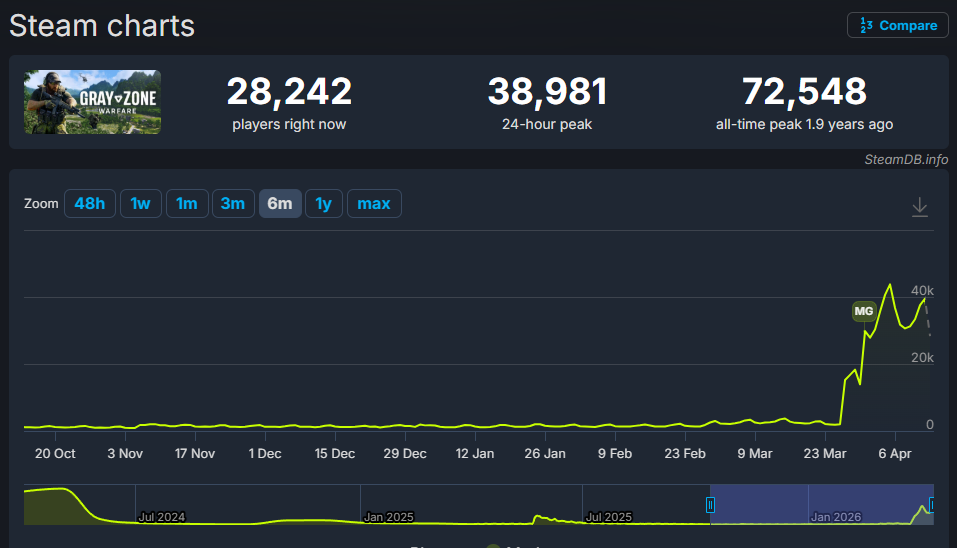
After the Spearhead update, Madfinger reported that monthly peak players increased by 1,076%. That's not a typo. Peak daily active players hit 126,600. Peak concurrent users reached 43,770. The game climbed into the top 5 best-selling games globally on Steam. Over 301,000 players have now played the game since release. Twitch viewership peaked at nearly 30,000 concurrent viewers.
From under 4,000 concurrent players to over 43,000 off a single update. The game didn't just recover. It had its best numbers since launch week.
And the reviews are shifting. Players who bought the game in 2024 and dropped it are coming back and updating their reviews. New players are coming in and experiencing a version of the game that's dramatically different from what launched. The sentiment is trending positive for the first time since Early Access began.
Madfinger themselves acknowledged it in a Steam post. "Players are coming back, and they have a lot to say about how the game feels now. Spearhead has already been described as a new beginning for Gray Zone Warfare."
It's Not All Fixed
I want to be honest about this because the last thing this game needs is for people to come in expecting a finished product. It's not. It's version 0.4. That means they're not even halfway to 1.0.
The AI is better but still inconsistent. There are moments where enemies react brilliantly and moments where they stand there like mannequins waiting to get shot. Server performance still causes issues. Tasks can get repetitive once you've burned through the initial wave. Some players are reporting headshot detection inconsistencies that break immersion. The game still demands serious hardware.
This is still an Early Access game with Early Access problems. But the trajectory matters. The direction matters. And the direction right now is undeniably positive.
Why This Matters
The gaming industry loves to talk about launches. Launch day numbers. Launch week reviews. First impressions as final verdicts. And in a lot of cases, that first impression is the verdict. Games that launch poorly rarely get a second chance. The audience moves on. The conversation moves on. The next shiny thing comes along and nobody looks back.
Gray Zone Warfare is proving that a second chance is possible if, and this is the critical part, the development team actually does the work. Not promises. Not roadmaps. Not developer diary videos about features that are "coming soon." Actual work. Measurable, playable, reviewable improvements delivered consistently over time.
Madfinger had every excuse to give up. The launch reviews were brutal. The player count cratered. The competition in the extraction shooter space is fierce. But they stayed. They kept building. And almost two years later, they shipped an update so substantial that it brought back ten times their player base in a week.
Is Gray Zone Warfare a finished game? No. Not close. Is it the game it was at launch? Also no. And that difference is the whole story.
I'm not going to sit here and tell you to run out and buy it today. What I will say is this. If you bounced off Gray Zone Warfare in 2024, the game you played doesn't exist anymore. Spearhead is a different experience. And if Madfinger keeps this trajectory going, keeps listening, keeps grinding, keeps delivering updates of this caliber, then Gray Zone Warfare might end up being one of the better comeback stories in Early Access history.
A long way to go. But a far cry from where it was.
Share this article
Comments

James Brooke
Founder & Editor
Gaming industry analyst and video editor covering gaming trends, indie games, and industry analysis.
About the author →Related Articles
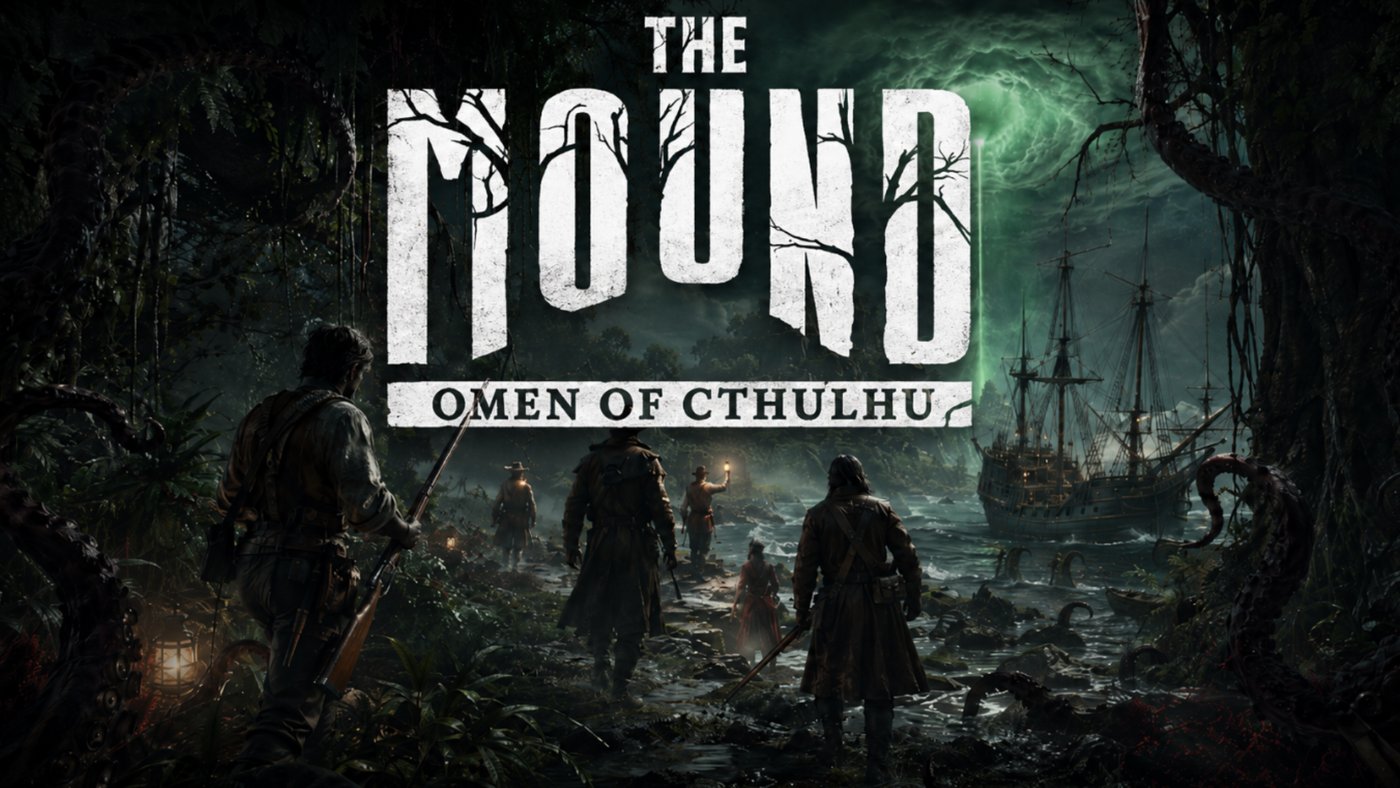
The Mound: Brilliant Co-Op Mechanic, Rough Execution
The insanity system is unlike anything in co-op horror right now. You can't trust your own screen. But the game around that mechanic needs work. If ACE Team keeps building, something special is underneath.
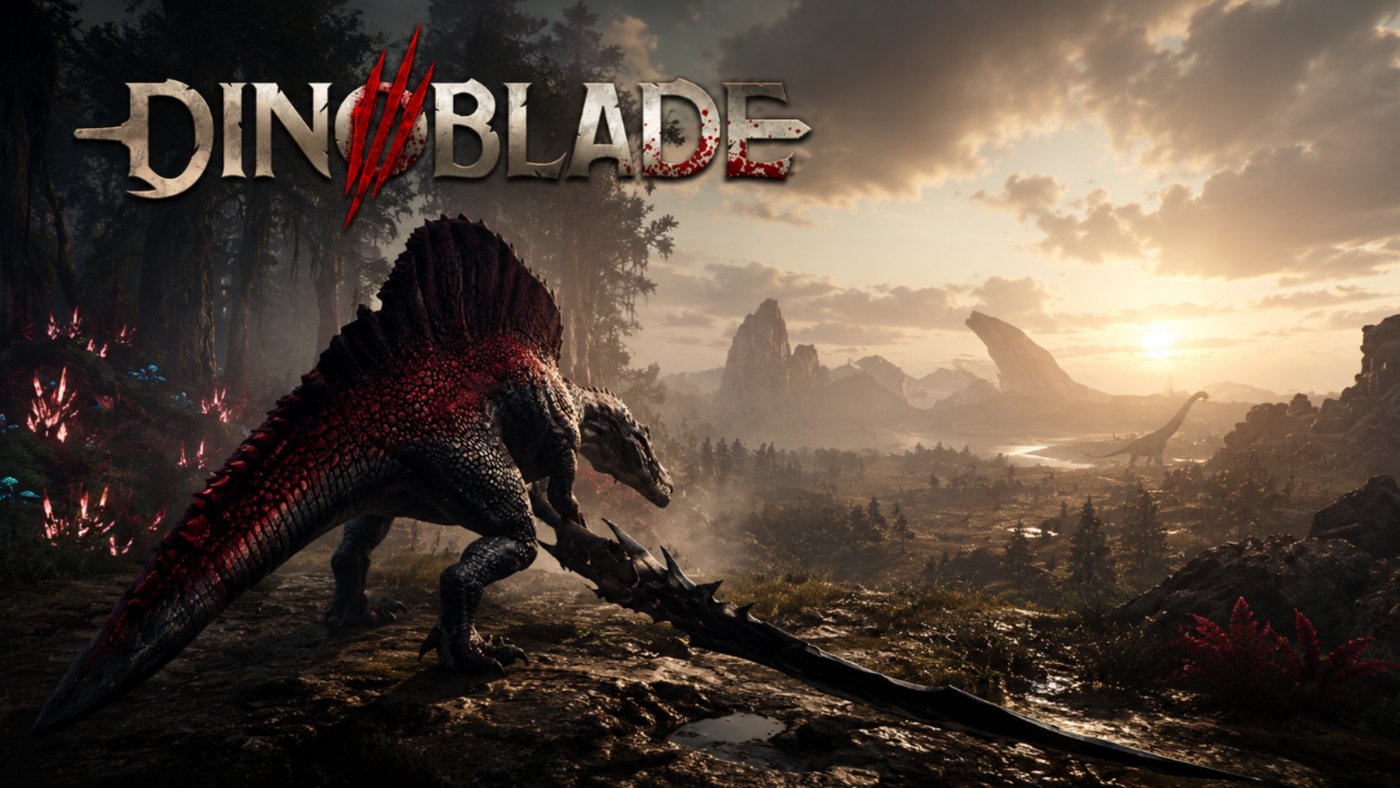
Dinoblade: A Viral Animation Clip Became Steam's #1 Game
A 30 second animation clip went viral in 2022. Four years later it's a real game sitting at #1 on Steam with 89% positive reviews. One developer. $20. A dinosaur with a greatsword. And the boss fights are genuinely incredible.
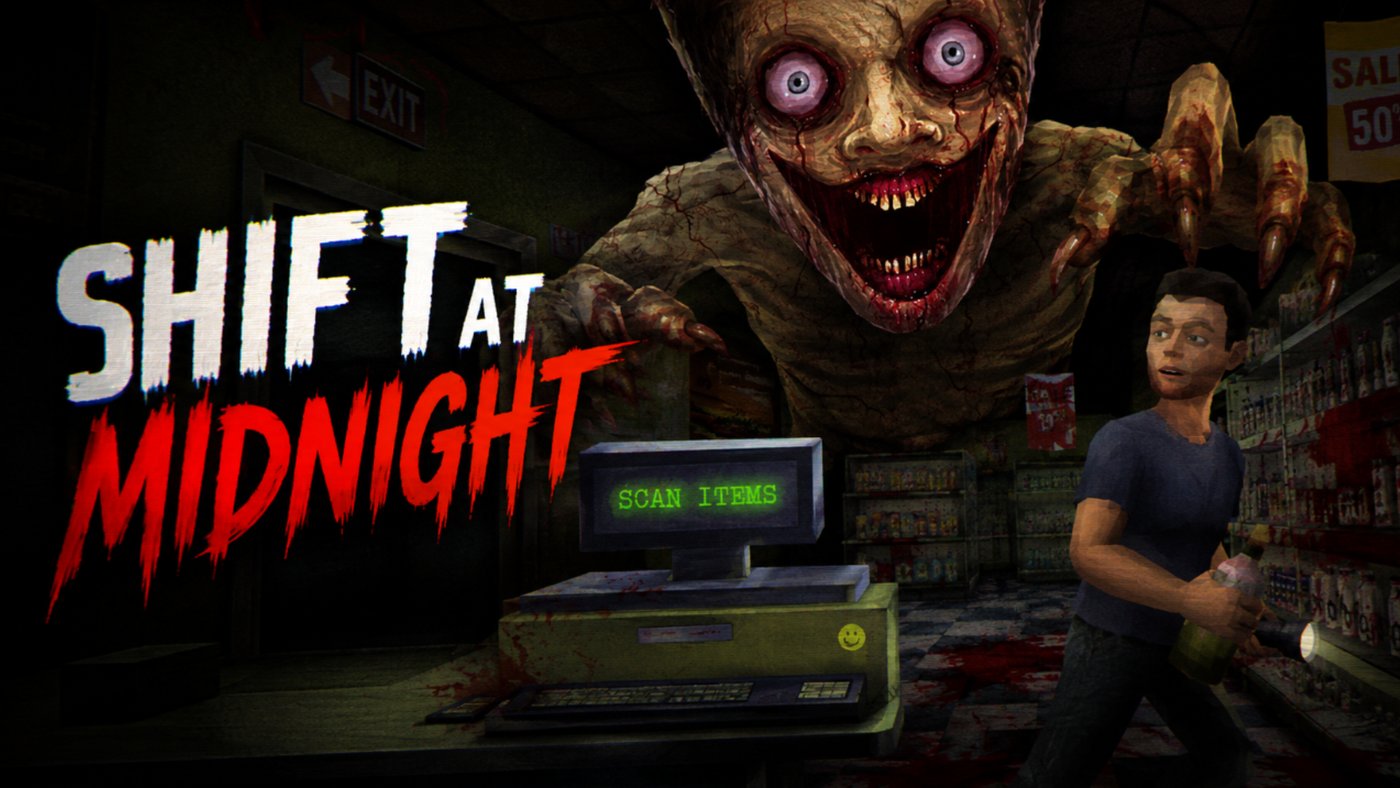
Shift at Midnight Just Launched to 12,000 Concurrent Players. One Dev. Ten Bucks. Another Friend Slop Hit.
The friend slop genre has another hit. One developer made a co-op horror game about spotting imposters at a gas station for $10. 12,000 concurrent players on day one. 90% positive on Steam.
You May Also Like

Best Games August 2026: 5 Headliners and 5 Under the Radar
Game Freak outside of Pokemon. MGS4 finally on modern hardware. Hell Let Loose Vietnam. A Marvel fighting game from Arc System Works. August is the warm up lap before September destroys everything.
Latest Patch Notes in Gaming — Week of July 20–26, 2026
Battlefield 6 put boats in the game. Heroes of the Storm reworked Ragnaros. 2XKO overhauled its Fuse systems. Phasmophobia rebuilt 13 Willow Street. Ten games patched this week — here's every update.
Best Games of 2026 So Far: Where Your Money Is Actually Worth Spending
NPR published their half year list and it read like a Metacritic scroll. This is a real one. 12 games from $6 to $70 that actually earned your money in the first half of 2026.