

Bellum Game: Built by the Milsim Community, for the Milsim Community
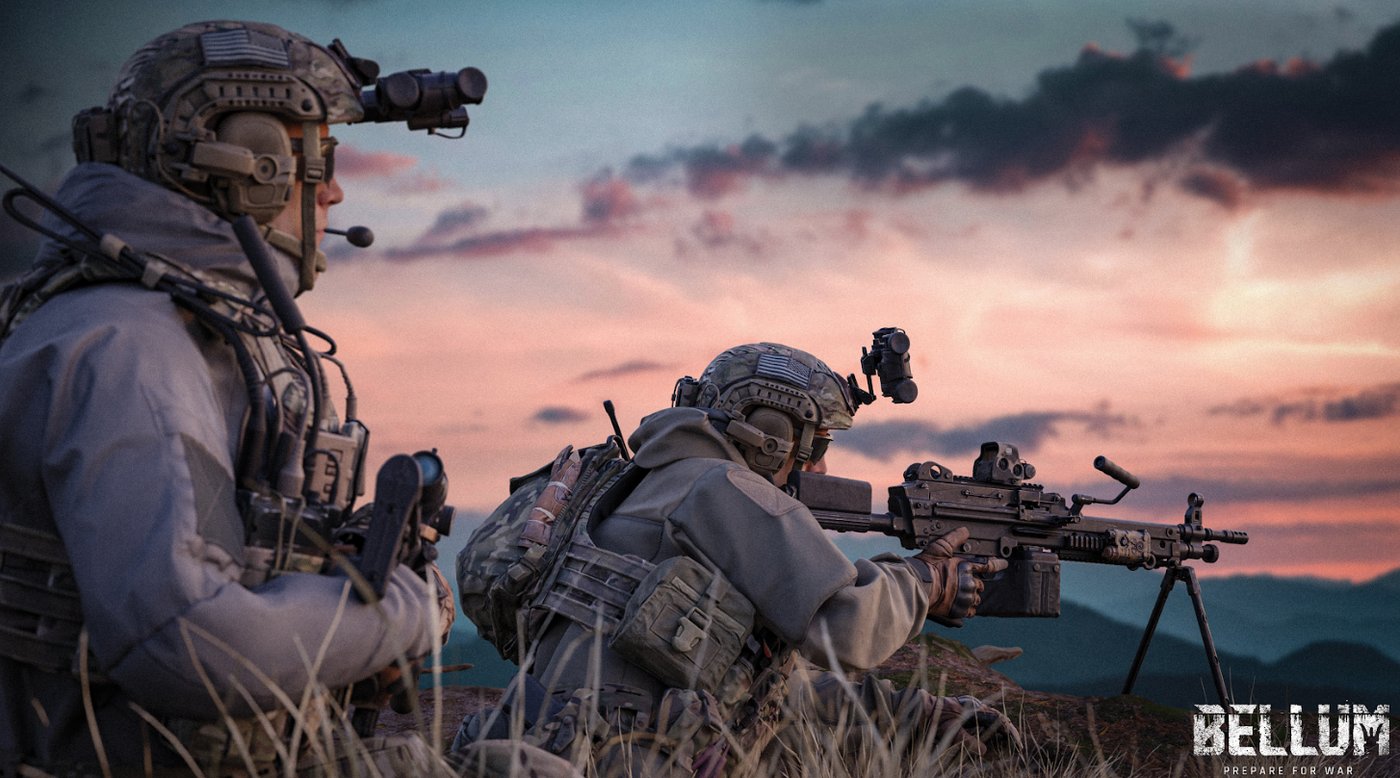
There's a difference between a game that wants everybody and a game that knows exactly who it's for.
Bellum is the second kind. And that might be the smartest thing about it.
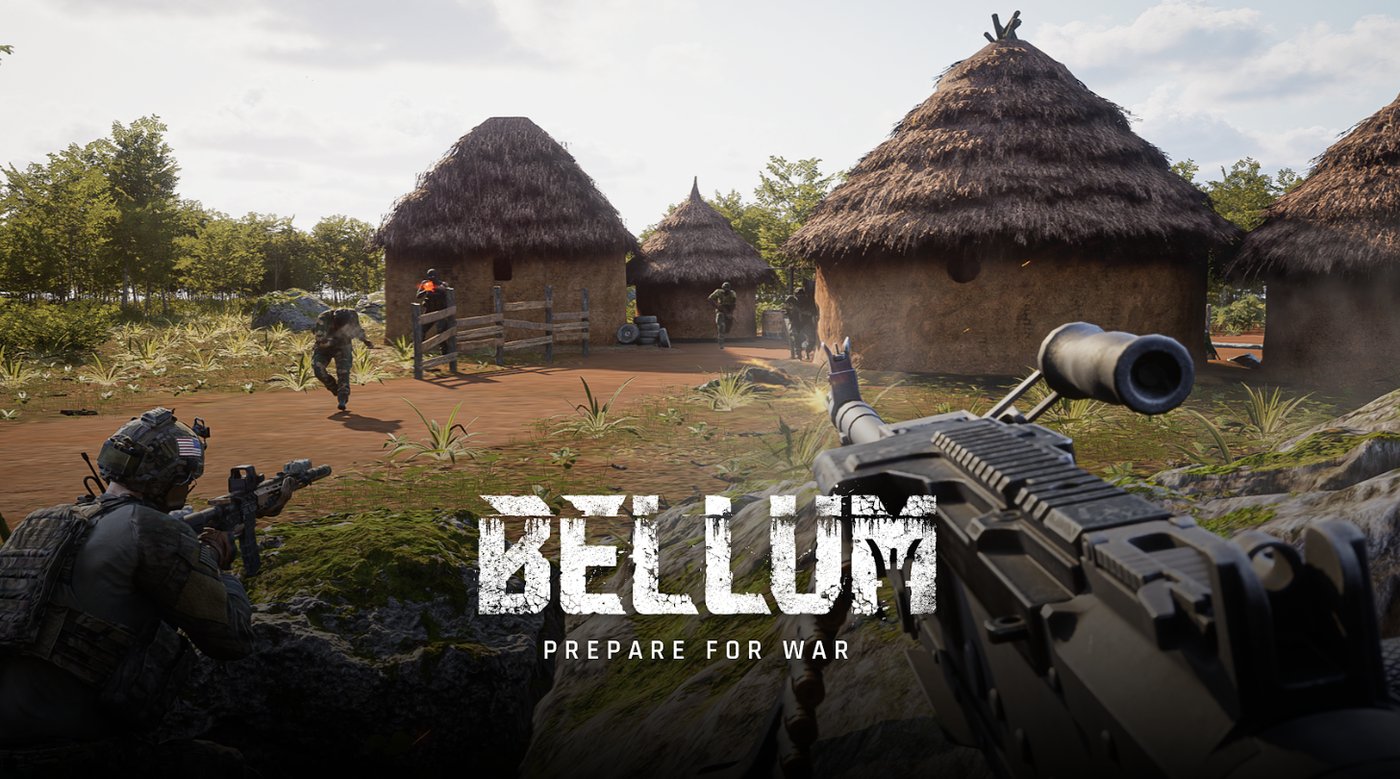
Astarte Industries just kicked off closed weekly beta testing for Bellum on April 10, with Early Access planned for later this year. It's a platoon scale tactical FPS built in Unreal Engine 5, set in a fractured 2030s Africa where US Army Rangers, Russian PMCs, and local militia fight asymmetric proxy wars across 4x4 km battlefields. 80 players. Three factions. Limited lives. Crew served weapons. An advanced medical system where buddy aid isn't optional, it's the difference between your squad surviving the next engagement or bleeding out in the dirt.
If you just read that paragraph and felt something, this game was made for you. If you read it and your eyes glazed over, it wasn't. And Astarte Industries is completely fine with that.
The Team Tells You Everything
Before I talk about the game, I need to talk about who's making it. Because the team composition is the whole thesis.
Bellum was founded by Karmakut, one of the most recognized milsim content creators in the space. The development team at Astarte Industries includes people who have worked on Arma, Squad, Ready or Not, and Ground Branch. These aren't outsiders trying to break into the tactical shooter genre. These are people who have lived in it for years, both as developers and as players.
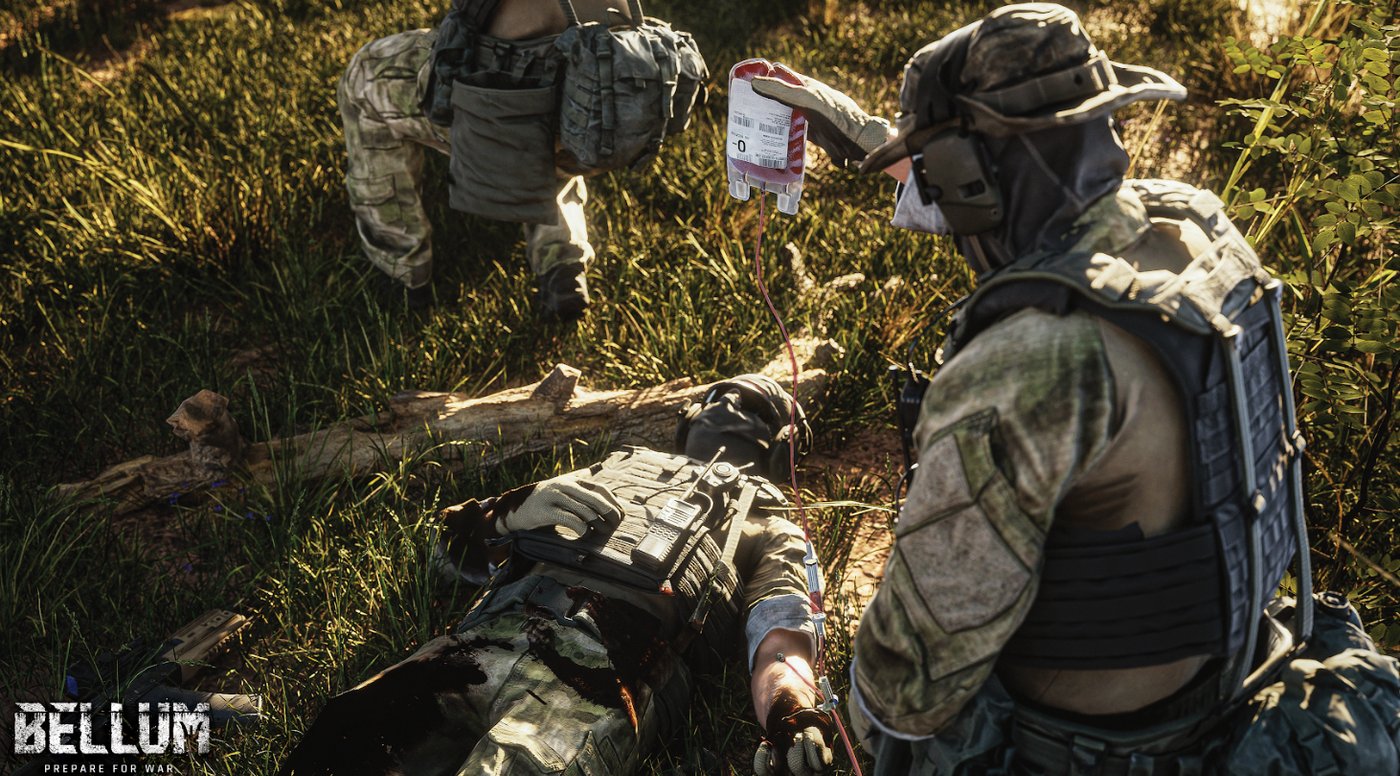
And critically, the game is being built in collaboration with combat veterans who are validating the authenticity of the mechanics. Not as a marketing bullet point. As an actual development practice. The limited life system, the medical mechanics, the squad structure, the way suppression and positioning work. All of it runs through people who know what real small unit tactics look and feel like.
That matters. Because the tactical shooter space is full of games that market themselves as "realistic" but play like action movies with walkie talkies. Bellum is being built by people who know the difference between a game that looks tactical and a game that feels tactical. And they're making it for the community that knows the difference too.
What Makes This Different
I wrote about '83 earlier today. A game entering the same broader genre with a similar challenge. How do you pull players from Squad, Arma Reforger, and Hell Let Loose? For '83, I wasn't sure the answer was clear yet. For Bellum, I think it is.
The limited life system is the core differentiator, and it changes everything about how the game plays. In Squad or Hell Let Loose, you die, you respawn, you run back. Death is an inconvenience. In Bellum, death is a resource. Your platoon has a finite number of lives. Every time someone goes down and can't be revived, the team gets weaker. Every engagement is a cost benefit calculation. Is this push worth the lives it might cost? Can we afford to lose two people taking that position? Should we pull back and find a different angle instead of forcing it?
That's not a gimmick. That's a fundamental design philosophy that forces the kind of decision making that milsim players have been begging for. Real world small unit tactics aren't just effective in Bellum. They're necessary. Bounding overwatch works. Suppressing fire works. Flanking works. The game rewards players who think before they shoot because the ones who don't run out of lives and lose.
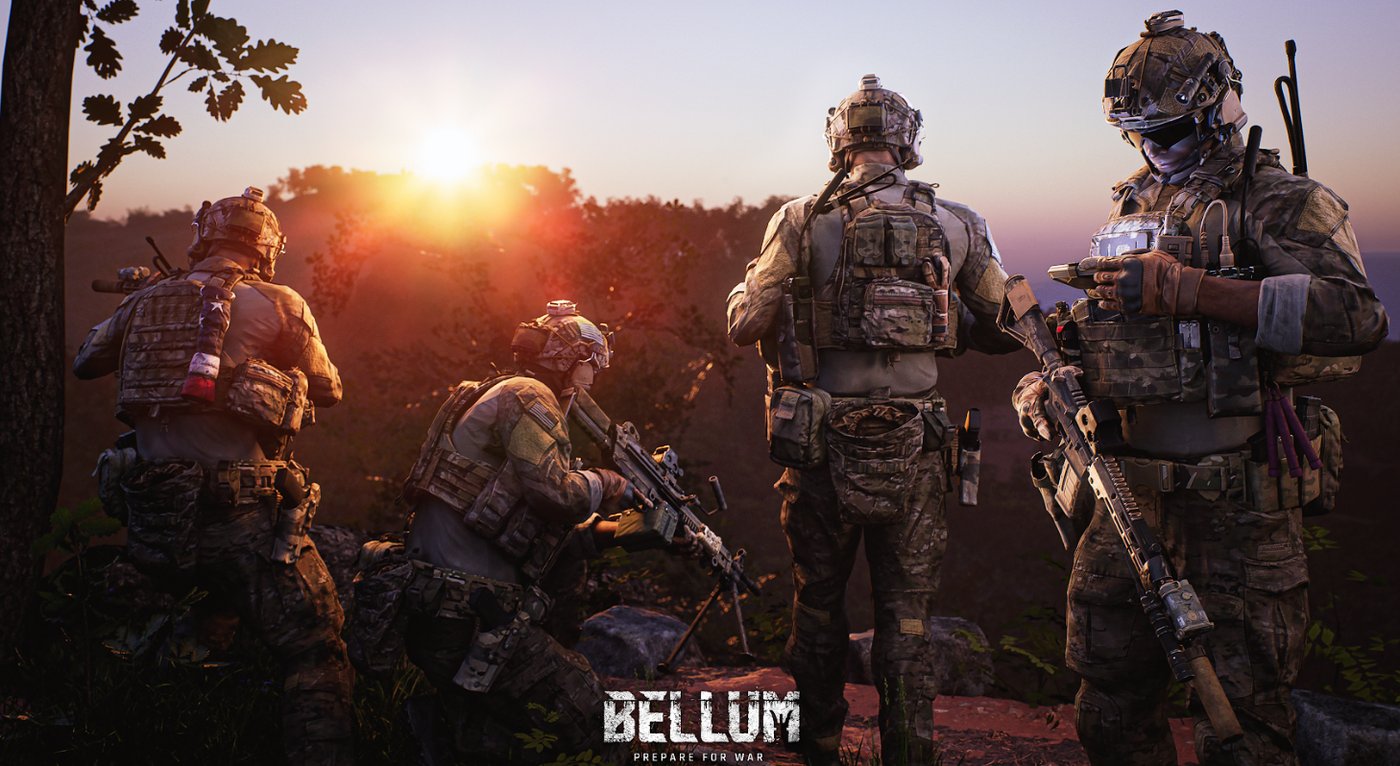
The three faction asymmetry adds another layer. US Army Rangers play with organized precision and superior equipment. SATYR PMC operates with flexible independence and mercenary pragmatism. Al-Zalaam uses guerrilla tactics and aggressive ambush warfare. These aren't three skins on the same gameplay. They're three fundamentally different approaches to the same battlefield. That asymmetry creates dynamics that symmetric faction games can't replicate.
And the squad structure is enforced, not suggested. Every squad has defined roles. Every squad has a leader. Every team has a commander. Communication isn't a nice to have. It's the architecture the entire game is built on. When you load into Bellum, you're joining a military organization, not a lobby.
The No-Steam Bet
Here's the bold move. Bellum is not on Steam. The game has its own launcher and its own storefront. Astarte Industries CEO Ryan Yuan said the reasoning is straightforward. The 30% cut Steam takes would be better invested directly into development and marketing.
That's a real gamble. Steam is where the audience lives. Steam is where the server browser is. Steam is where the reviews, the wishlists, the Next Fest demos, and the algorithm driven discovery happen. Skipping Steam means you're betting entirely on your community to carry discovery, word of mouth, and player acquisition.
For most games, that would be suicide. For Bellum, it might actually work...
Here's why. The milsim audience doesn't discover games through Steam's recommendation algorithm. They discover games through Discord servers, YouTube channels, Twitch streams, and community forums. They follow specific content creators. They read specific subreddits. They're already plugged into the information network that Bellum was born from.
25,000 Discord members before the beta even started. Karmakut's own audience as a built in marketing channel. A community that's been shaping the game's development from the beginning through feedback, surveys, and direct communication with the dev team.
The milsim audience is small. But it's concentrated, engaged, and loyal. These are the people who buy Supporter Editions for $96 because they want alpha access and they want their name in the credits. These are the people who organize ops nights and run community servers. They don't need Steam to find this game. They already know it exists.
It Won't Be Massive. And That's the Point.
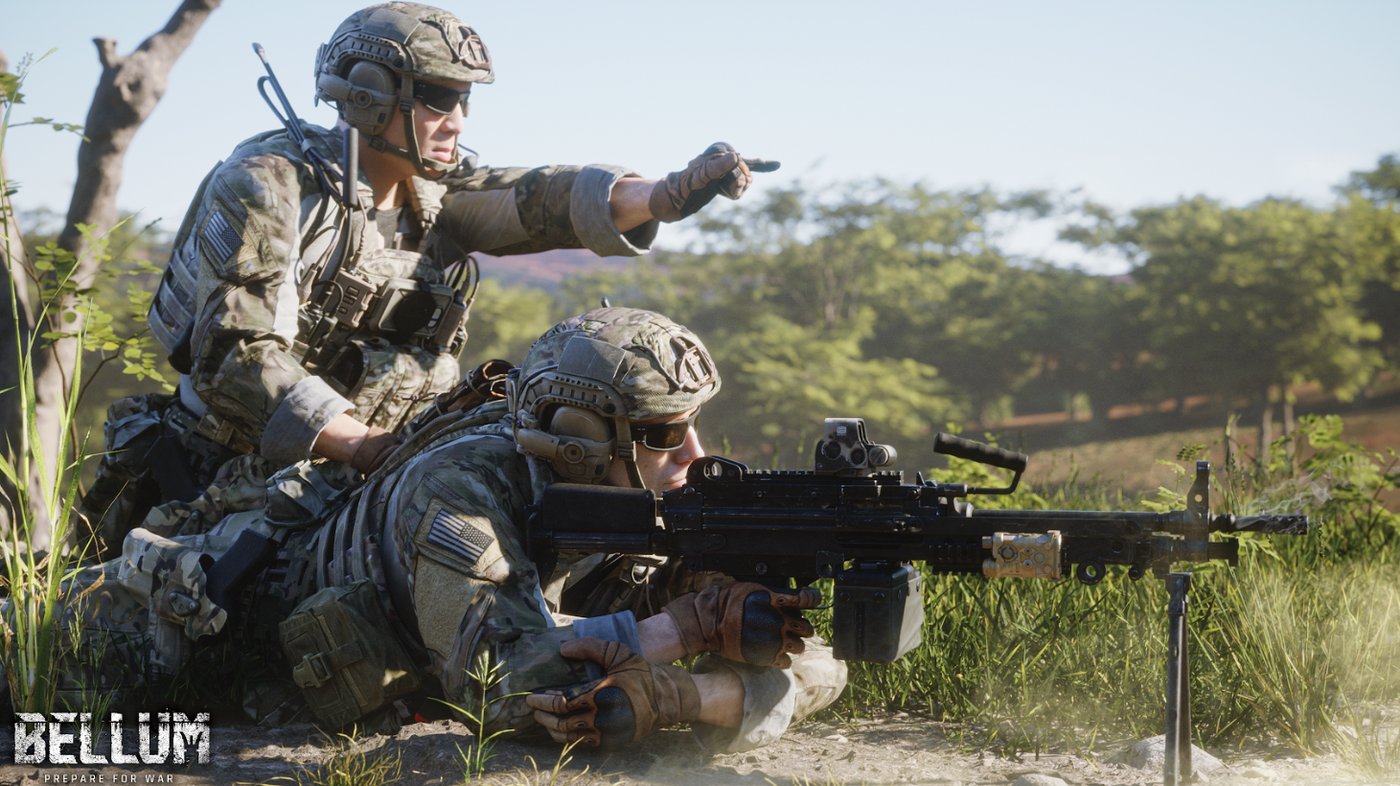
Let me be real about expectations. Bellum is not going to be the next big thing. It's not going to pull 100,000 concurrent players. It's not going to top the Steam charts (it's not even on Steam).
And that's completely fine. Because Bellum isn't trying to be any of those things.
The hardcore tactical shooter audience is a niche. It always has been. But here's what people forget about niches. They're sustainable. The players who want this kind of experience don't leave when the next shiny thing comes out. They don't chase trends. They don't jump to whatever game has the most viewers on Twitch that week. They find the game that respects their specific demands and they stay.
Arma has survived for over two decades serving this audience. Squad has maintained a healthy player base for years without ever becoming a mainstream phenomenon. The audience is small, but it always shows up. And when a game genuinely delivers what this audience wants, they don't just play it. They evangelize it.
Bellum's viability doesn't depend on mass appeal. It depends on being the best version of what it is. And everything I'm seeing from the team, the design philosophy, the community engagement, and the development transparency suggests they understand that.
The Road Ahead
The closed weekly beta is running now. Early Access is planned for later in 2026. The game has a long way to go, and there will be bumps. Server performance. Balance. Content cadence. The usual Early Access challenges. And the no Steam strategy, while bold, carries real risk. If the community driven discovery model doesn't scale fast enough, the player base could struggle to hit the critical mass needed to fill 80 player servers consistently.
But the foundation is strong. The team has the pedigree. The community is engaged. The design philosophy is clear and differentiated. And most importantly, Bellum knows what it is and who it's for. In a genre where too many games try to be everything to everyone and end up being nothing to anyone, that clarity of vision is the most valuable thing a game can have.
The milsim community has been asking for the next evolution. Not a game that waters down the formula to chase a wider audience. A game that pushes it forward while staying true to what makes the genre tick. Bellum looks like it might be that game.
I'm not going to call it a winner before it's out. But I will say this. The people making Bellum are the same people who play these games obsessively. Who stream them. Who critique them. Who know every flaw in Squad's rally system and every limitation in Reforger's AI. They built this because they wanted something that didn't exist.
That's "Selfishly Made" in its purest form. And in my experience, that's usually where the best games come from.
All art from PlayBellum.com
Share this article
Comments

James Brooke
Founder & Editor
Gaming industry analyst and video editor covering gaming trends, indie games, and industry analysis.
About the author →Related Articles
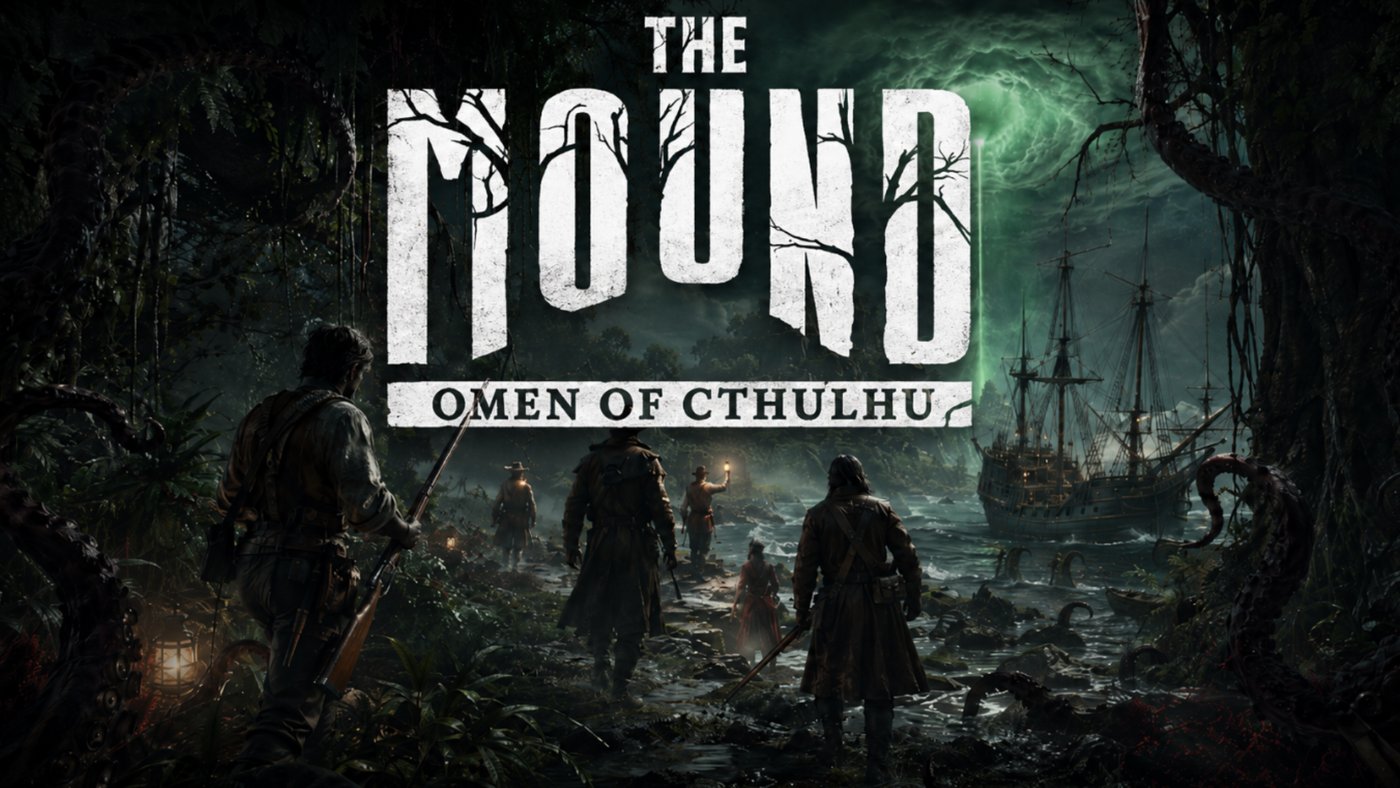
The Mound: Brilliant Co-Op Mechanic, Rough Execution
The insanity system is unlike anything in co-op horror right now. You can't trust your own screen. But the game around that mechanic needs work. If ACE Team keeps building, something special is underneath.
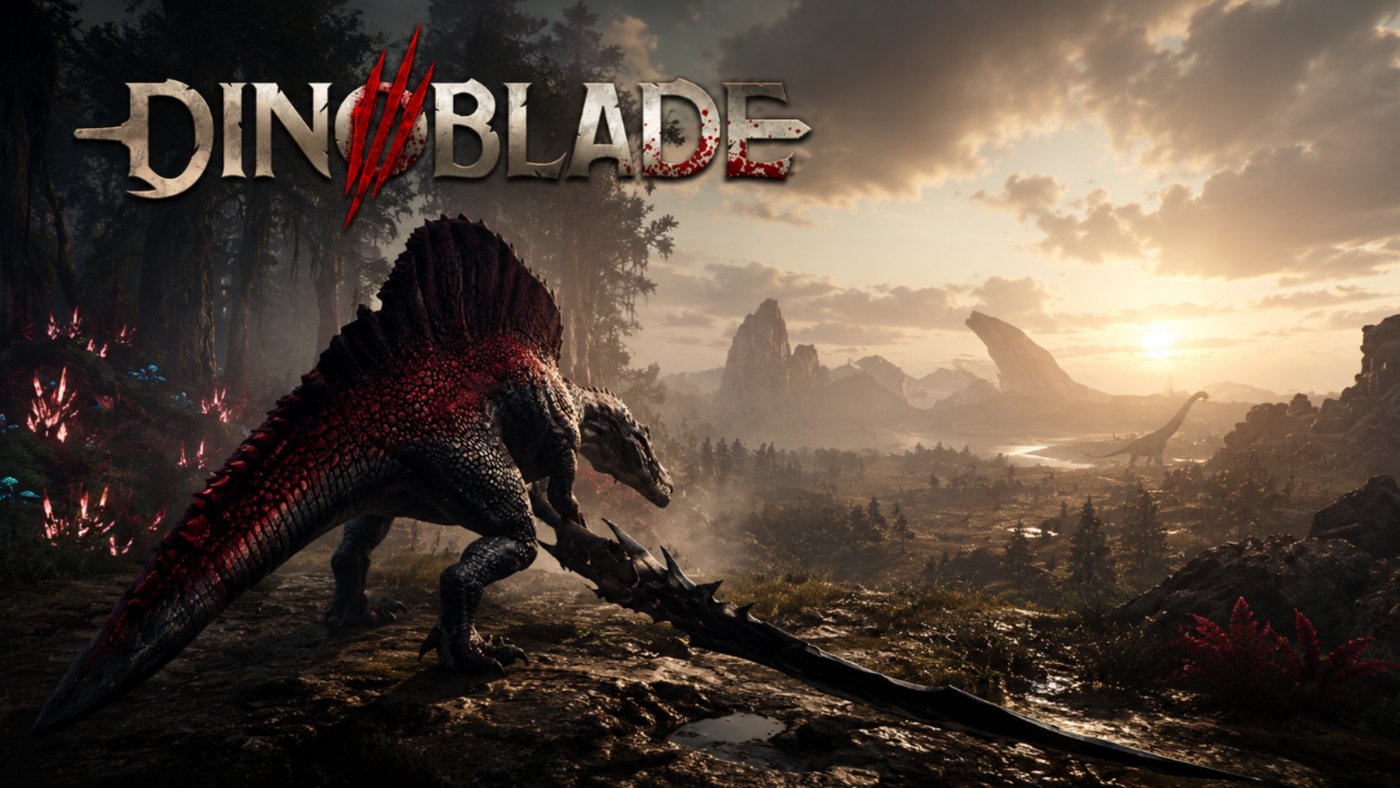
Dinoblade: A Viral Animation Clip Became Steam's #1 Game
A 30 second animation clip went viral in 2022. Four years later it's a real game sitting at #1 on Steam with 89% positive reviews. One developer. $20. A dinosaur with a greatsword. And the boss fights are genuinely incredible.
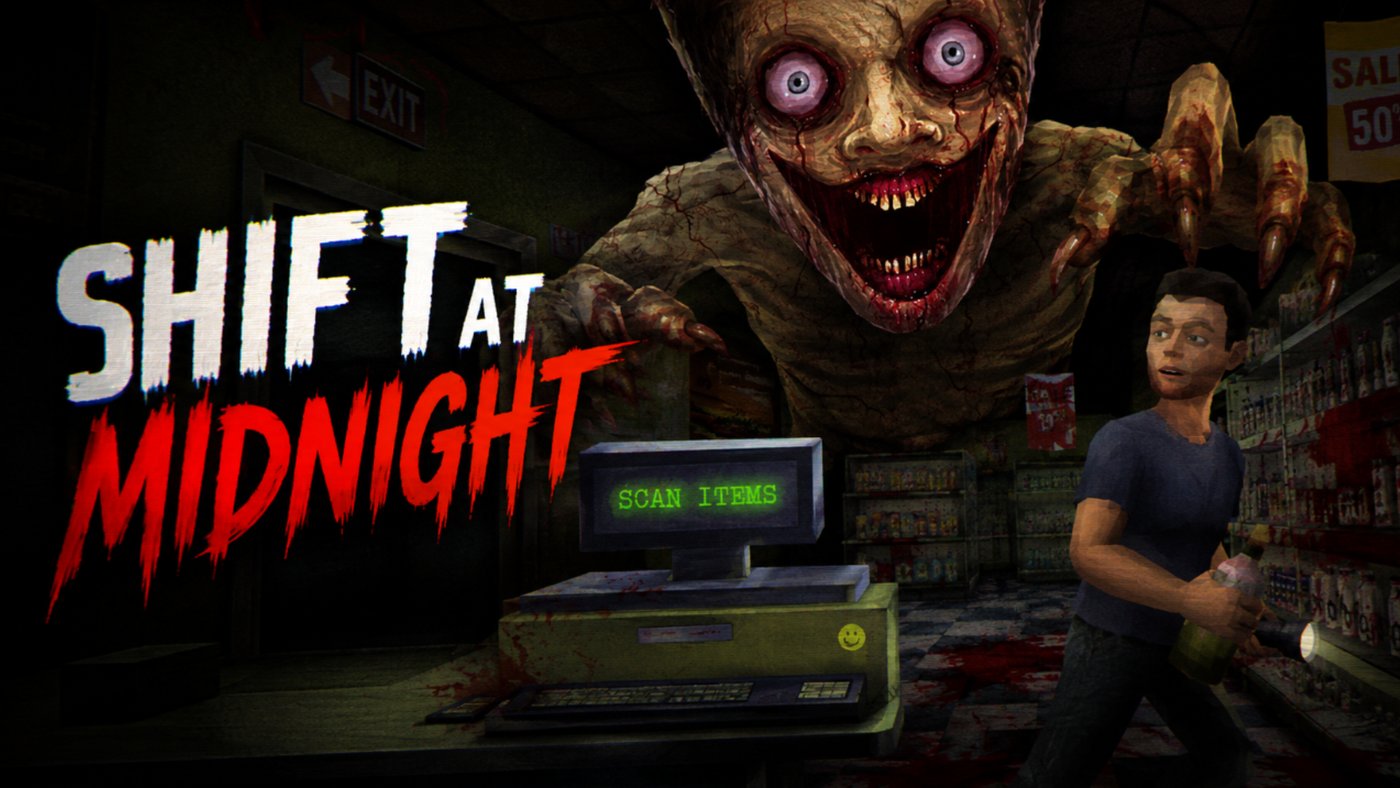
Shift at Midnight Just Launched to 12,000 Concurrent Players. One Dev. Ten Bucks. Another Friend Slop Hit.
The friend slop genre has another hit. One developer made a co-op horror game about spotting imposters at a gas station for $10. 12,000 concurrent players on day one. 90% positive on Steam.
You May Also Like

Best Games August 2026: 5 Headliners and 5 Under the Radar
Game Freak outside of Pokemon. MGS4 finally on modern hardware. Hell Let Loose Vietnam. A Marvel fighting game from Arc System Works. August is the warm up lap before September destroys everything.
Latest Patch Notes in Gaming — Week of July 20–26, 2026
Battlefield 6 put boats in the game. Heroes of the Storm reworked Ragnaros. 2XKO overhauled its Fuse systems. Phasmophobia rebuilt 13 Willow Street. Ten games patched this week — here's every update.
Best Games of 2026 So Far: Where Your Money Is Actually Worth Spending
NPR published their half year list and it read like a Metacritic scroll. This is a real one. 12 games from $6 to $70 that actually earned your money in the first half of 2026.